Toficalm
Toficalm
- Toficalm (tofisopam) is generally a prescription-only medication in regulated markets; it is widely available in pharmacies in countries such as India and parts of Europe, but it is not approved by Health Canada or the FDA — despite this, some local pharmacies and online vendors may supply toficalm without a prescription or receipt.
- Toficalm is used primarily for the treatment of anxiety, as an adjunct for certain depressive conditions and occasionally off-label for alcohol withdrawal; it is a 2,3‑benzodiazepine derivative with anxiolytic action distinct from classical 1,4‑benzodiazepines, thought to modulate GABAergic neurotransmission and produce anxiolysis with less sedation and muscle relaxation than classical benzodiazepines.
- The usual adult dose is 50–100 mg taken 2–3 times daily (total daily dose and frequency adjusted by the prescriber based on response and tolerability).
- Toficalm is administered orally in tablet form, commonly available as 50 mg and 100 mg tablets.
- Onset of effect is typically within about 30–60 minutes after an oral dose.
- The clinical duration of action is commonly around 4–6 hours, though individual response and dosing schedule determine overall coverage.
- Do not consume alcohol while taking toficalm — alcohol can increase central nervous system depression, worsen side effects and is contraindicated in acute alcohol intoxication.
- The most common side effect is drowsiness; other frequent adverse effects include nausea or digestive upset, dizziness, headache, dry mouth and fatigue.
- Would you like to try toficalm without a prescription?
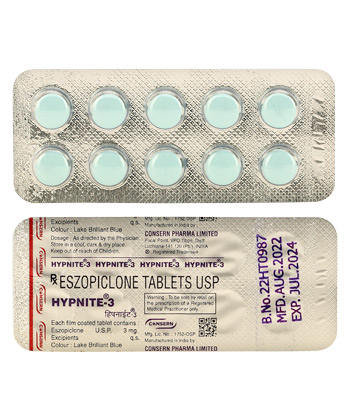
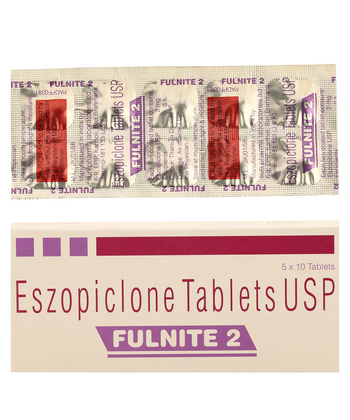
Basic Toficalm Information
- INN (International Nonproprietary Name): Tofisopam
- Brand Names Available In Canada (English): Toficalm; Tofisign; Tofifresh; Tofiso; TOFIZIN; Nextril; Tofypeace; Emandaxin; Grandaxin
- ATC Code: N05BA23 (N05: Psycholeptics; BA: Anxiolytics; 23: Tofisopam)
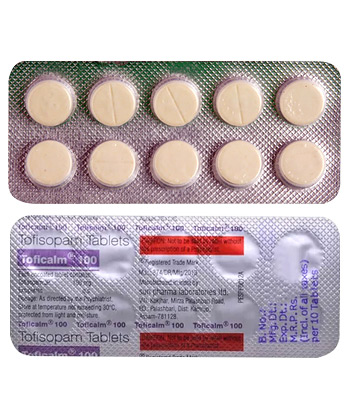
- Forms & Dosages: Tablet 50 mg and 100 mg; common packaging: blisters/boxes commonly 10×10 tablets
- Manufacturers (World Suppliers): Torrent Pharmaceuticals; Apple Pharmaceuticals; A M Overseas; Neuracle Lifesciences; Psychocare Health Pvt. Ltd.; Egis; Tolnagyi; United Criticare Pvt Ltd; other local suppliers
- Registration Status In Canada: Not approved by Health Canada; no Canadian DIN assigned
- OTC / Rx Classification: Prescription Only (Rx) in regulated markets where authorised
Availability & Price Landscape
Major National Pharmacy Chains (Shoppers Drug Mart, Rexall, London Drugs)
Many Canadians ask: Can I walk into Shoppers Drug Mart or Rexall and buy Toficalm?
The market reality is that tofisopam (INN) is not approved by Health Canada and therefore is not routinely stocked by major national chains.
Shoppers Drug Mart, Rexall and London Drugs generally will not dispense products that lack a Canadian Drug Identification Number (DIN) or a Health Canada import authorisation.
Pharmacists at those chains can, however, advise on therapeutic alternatives, counsel about safety, and help with provincial exceptional access procedures where clinically appropriate.
- Shoppers Drug Mart — Will not dispense unapproved imported tofisopam; ask pharmacist for alternative anxiolytics and coverage options.
- Rexall — Does not carry products without a DIN; pharmacists can review medication reconciliation and suggest DIN-approved options.
- London Drugs — Will decline to sell products without market authorisation; clinical advice and substitution options are available in-store.
- Quick Contact Tip — Bring packaging, manufacturer name and any prescribing documentation when asking a pharmacist about an imported product.
Online Pharmacy Trends In Canada (Including Provincial Restrictions)
Patients in Canada commonly report sourcing tofisopam through international e‑pharmacies or travel from countries where brands like Toficalm and Grandaxin are authorised.
Cross‑border orders from India or Europe are frequently discussed on forums, but these carry regulatory, customs and quality risks.
Provincial prescription rules vary and may affect importation or exceptional access pathways; some provinces require clinician applications for Special Access Programme (SAP) approvals before importation for personal use.
For Canadians considering an online source, pharmacists recommend verifying manufacturer details, retaining batch and expiry information, and discussing the plan with the prescriber in advance.
Price Ranges By Package Size (With Provincial Differences)
How much will it cost if someone obtains tofisopam from abroad?
Price variability is large depending on origin, brand, and shipping or testing costs.
| Package Size | Typical Origin | Estimated Cost Band |
|---|---|---|
| 10×10 tablets (50 mg or 100 mg) | India (generic brands such as Toficalm, Tofiso) | Low (generic pricing; additional shipping/customs may apply) |
| 10×10 tablets (50 mg or 100 mg) | Europe (Grandaxin, Emandaxin) | Medium–High (branded or locally authorised packaging; testing/shipping add cost) |
Expect Indian generics to be substantially cheaper at source than European brands, but remember that shipping, customs delays, lab testing and loss during transit increase total cost.
Provincial drug plan reimbursement is unlikely because tofisopam has no DIN and no domestic authorisation.
Canadian Patient Insights & Satisfaction Levels
Forum And Review Platforms (Reddit Canada, HealthBoards, AskDocs)
Which patient voices matter when a drug isn’t available locally?
Canadian forum threads on Reddit Canada, HealthBoards and AskDocs show active interest in tofisopam using search terms like “Toficalm 100 mg” and “Tofisopam anxiety tablet”.
Conversation themes include sourcing, perceived effects, safety concerns, and navigation of customs or telehealth letters for importation.
Reported Benefits And Challenges From Canadian Patients
Patients commonly report an anxiolytic effect with less sedation compared with classic benzodiazepines, and they describe daytime functioning being preserved.
Common challenges are sourcing authenticity, inconsistent dosing information, and limited local clinician familiarity because tofisopam lacks Health Canada approval.
- "Works During The Day"
- Patients mean reduced anxiety without heavy drowsiness compared with drugs like Valium or Ativan.
- "Got It From India"
- Usually indicates a generic brand such as Toficalm, Tofiso or another Indian supplier like Torrent or Apple Pharma.
- "Customs Seized My Order"
- Refers to reported incidents where cross‑border mail was intercepted; this underlines regulatory risk.
- "Doctor Wary, Pharmacist Unsure"
- Means clinicians lack domestic approval data and prefer DIN‑approved alternatives or exceptional access routes.
Many users report cost savings when ordering Indian generics but voice concern about regulation and batch testing.
Some Canadians obtain private telehealth letters to justify personal importation, while others keep imported product details for their medical records.
Implication for pharmacies: be prepared to counsel, document off‑label importation risks, and suggest DIN‑approved alternatives when appropriate.
Product Overview & Brand Variants
INN And Brand Names Used In Canada
Which names might patients bring to the pharmacy?
The INN is tofisopam and international brands commonly seen by Canadians include Toficalm, Grandaxin, Tofisign, Tofifresh, Tofiso, TOFIZIN, Nextril, Tofypeace and Emandaxin.
| Brand | Country/Region | Strengths | Manufacturer |
|---|---|---|---|
| Toficalm | India | 50 mg, 100 mg | Torrent Pharmaceuticals; Apple Pharma |
| Tofisign | India | 100 mg | A M Overseas |
| Tofiso | India | 50 mg | Apple Pharmaceuticals |
| TOFIZIN | India | 50 mg, 100 mg | Neuracle Lifesciences |
| Grandaxin | Europe, Russia, Turkey | 50 mg, 100 mg | Egis; various |
| Emandaxin | Europe | 50 mg, 100 mg | Local/various |
Legal Classification Under Health Canada
Is tofisopam legal in Canada?
Tofisopam is prescription‑only where authorised overseas, but it is not approved by Health Canada and has no Canadian DIN.
That means there are no Health Canada–authorised indications, labelling or marketed product monographs for Canada.
Pharmacies must make regulatory status clear on product pages and document any patient‑supplied foreign product in the chart when counselling.
Indications In Local Canadian Medical Practice
Approved Uses (Health Canada DIN Context)
What does “approved” mean here?
Because tofisopam is not Health Canada‑approved, there are no domestically authorised indications or DINs for prescribing in Canada.
Clinicians treating patients on imported tofisopam generally regard it as an unapproved, prescription‑only anxiolytic and proceed with careful documentation.
Off‑Label Patterns In Canadian Healthcare
How do clinicians manage patients already using imported tofisopam?
- Typical international uses: anxiety disorders, adjunctive therapy in depression, and adjunct in alcohol withdrawal (dosages commonly 50–100 mg two to three times daily).
- Canadian clinicians often treat imported tofisopam conservatively, documenting source, dose and monitoring plans.
Clinicians encountering imported product typically perform medication reconciliation, assess liver function, and screen for substance‑use risk.
Bulleted Clinician Steps When Dealing With Imported Medication:
- Confirm product identity (INN: tofisopam), brand and manufacturer from packaging.
- Document batch and expiry if available and note source country.
- Assess indication, dose, duration and rationale for use.
- Order baseline liver function tests if ongoing therapy is planned.
- Screen for alcohol and other CNS depressant use and review interactions.
- Consider switching to DIN‑approved alternatives or apply to provincial Exceptional Access programmes if justified.
How It Works In The Body
Layman’s Explanation (Canadian Patient‑Friendly Tone)
What can patients expect when taking tofisopam?
Tofisopam is an anxiolytic that often calms anxiety without causing the heavy sedation or muscle relaxation seen with classic benzodiazepines.
Many patients describe feeling more relaxed but still clear‑headed and able to function during the day.
Clinical Detail From Health Canada Resources
What does the science say?
Tofisopam is a 2,3‑benzodiazepine derivative and is pharmacologically distinct from 1,4‑benzodiazepines such as diazepam or lorazepam, with ATC code N05BA23.
International pharmacology literature suggests a different receptor interaction profile, but Health Canada has limited literature because the drug lacks a domestic approval dossier.
Clinical counselling points: monitor for drowsiness, watch for hepatic clearance concerns, and avoid combining with alcohol or other CNS depressants.
Dosage & Administration
Standard Regimens Per Canadian Guidelines
How is dosing handled for patients using imported tofisopam?
International sources report typical adult dosing of 50–100 mg taken two to three times daily for anxiety or as adjunctive therapy.
Because there is no Canadian monograph, clinicians follow international dosing conservatively and document the clinical rationale for dose and duration.
| Indication | Typical Dose | Frequency |
|---|---|---|
| Anxiety | 50–100 mg | Two to three times daily |
| Depression (Adjunct) | 50–100 mg | Two to three times daily |
| Alcohol Withdrawal (Adjunct) | 50–100 mg | Two to three times daily |
Adjustments By Patient Type (With Canadian Clinical Notes)
Elderly patients should start at the lowest effective dose and titrate slowly due to increased sensitivity and fall risk.
Patients with liver or kidney impairment require dose reduction and closer monitoring; severe hepatic impairment is an absolute contraindication.
Safety and efficacy in children are not established and use is generally not recommended.
Missed dose guidance: take when remembered unless it is close to the next scheduled dose; do not double up.
Duration guidance: aim for short‑term use (commonly 2–6 weeks) and reassess regularly to reduce dependence risk.
Drug interaction caution: concurrent use with diazepam, lorazepam, alprazolam, clonazepam or other sedating agents increases sedation and respiratory depression risk.
Contraindications & Side Effects
Common (Health Canada‑Approved List)
Although Health Canada has not approved tofisopam, international product data list the following absolute contraindications:
- Known hypersensitivity to tofisopam or any component of the formulation.
- Severe respiratory insufficiency.
- Sleep apnoea syndrome.
- Acute intoxication with alcohol or CNS depressants.
- Severe hepatic impairment.
Common side effects reported internationally include drowsiness, nausea, dry mouth, dyspepsia, dizziness, headache and fatigue.
Rare But Serious (With Canadian Pharmacovigilance Data)
International pharmacovigilance has reported rare but serious events such as severe respiratory depression when combined with other depressants, paradoxical psychiatric reactions, and dependence with prolonged use.
In Canada, any adverse events related to imported medications should be reported to Health Canada and documented in provincial records.
Adverse‑Event Action Steps:
- Stop suspected offending medication if severe adverse event is suspected, and seek urgent medical assessment.
- Document event details, batch and supplier information, and patient symptoms in the chart.
- Report to Health Canada’s adverse reaction reporting system and follow local reporting requirements.
Comparable Medicines In Canada
Alternatives Table (With DIN References)
Because tofisopam lacks a DIN, clinicians usually choose DIN‑approved alternatives available in Canada.
| Alternative | Class | DIN Example | Notes |
|---|---|---|---|
| Diazepam (Valium) | 1,4‑benzodiazepine | Not specified (check Health Canada database) | Rapid onset, sedating; established provincial coverage pathways. |
| Lorazepam (Ativan) | 1,4‑benzodiazepine | Not specified (check Health Canada database) | Effective for acute anxiety; sedating and dependence risk. |
| Clonazepam (Rivotril) | 1,4‑benzodiazepine | Not specified (check Health Canada database) | Longer half‑life benzodiazepine, seizure and anxiety uses. |
| Alprazolam (Xanax) | 1,4‑benzodiazepine | Not specified (check Health Canada database) | Fast relief for panic and acute anxiety; high dependence potential. |
| Buspirone | Non‑benzodiazepine anxiolytic | Not specified (check Health Canada database) | Lower dependence risk, slower onset; useful for generalized anxiety disorder. |
Note: Specific DIN numbers are not provided in the supplied data and should be verified in the Health Canada database before prescribing or listing on a product page.
Pros And Cons List
- Buspirone — Lower dependence risk and minimal sedation; slower onset means not ideal for acute relief.
- Classic Benzodiazepines (Diazepam, Lorazepam, Alprazolam) — Rapid onset for acute anxiety but higher sedation and dependence potential.
- Tofisopam (Imported) — Reported anxiolysis with less sedation; lacks Health Canada approval, which limits coverage and local monitoring pathways.
Current Research & Trends
Major Canadian Or International Studies 2022–2025
What should clinicians read to stay current?
Recent primary trials and pharmacology studies on tofisopam are mainly international, with limited Canadian primary research because the drug is not authorised domestically.
Trends from 2022–2025 include renewed interest in repurposing older anxiolytics that may offer improved side‑effect profiles and observational reports from countries where tofisopam is in clinical use.
Canadian researchers may reference Grandaxin or tofisopam in comparative literature reviews, but controlled trials remain largely European and Indian in origin.
For practice, rely on peer‑reviewed international trials and pharmacovigilance reports while encouraging local reporting of outcomes for imported products.
Common Patient Questions In Canada
Is Toficalm legal in Canada?
No, tofisopam is not approved by Health Canada; importation is personal and regulated and may be subject to customs seizure.
Can I bring Tofisopam across the border?
Carrying imported prescription medication across international borders can lead to interception by customs; exemptions are not guaranteed and depend on documentation and local rules.
Will provincial drug plans cover it?
Coverage is unlikely without a DIN or Exceptional Access approval; patients should check ODB, BC PharmaCare and RAMQ procedures for exceptional access.
How does it compare to Valium or Xanax?
Tofisopam belongs to a different benzodiazepine subclass and is reported to cause less sedation, but dependence risk remains with prolonged use.
What should I tell my GP or pharmacist if I already have imported tablets?
Bring the original packaging, manufacturer name, batch and expiry, any prescribing documentation, and a sample if possible for verification and record keeping.
Quick Clinic Checklist To Bring:
- Original blister or box with manufacturer and batch number.
- Any prescription or telehealth letter used for purchase.
- Details of the online supplier and shipping documentation.
Counselling Pointers For Patients:
- Avoid alcohol and other CNS depressants while taking tofisopam.
- Do not stop abruptly after long‑term use; seek clinician guidance to taper.
- Monitor mood and daily functioning and report adverse effects promptly.
Regulatory Status
Health Canada Approval Process
What would be needed for tofisopam to be authorised in Canada?
A manufacturer would submit a New Drug Submission (NDS) including quality, safety and efficacy data to Health Canada for review.
Health Canada evaluates the dossier and, if satisfied, assigns a Drug Identification Number (DIN) and market authorisation.
For Canadians seeking access now, the Special Access Programme (SAP) or Emergency Drug Release pathways may be options in exceptional cases and require a clinician application and justification.
DIN Number Relevance
Why does a DIN matter?
A DIN confirms Health Canada review and allows provincial plans and pharmacies to process dispensing and reimbursements where applicable.
Because tofisopam has no DIN, provincial plans typically will not reimburse and major chains will not list it as a normal stock item.
Definitions:
- DIN — Drug Identification Number, assigned by Health Canada to authorised products.
- NDS — New Drug Submission, the dossier a manufacturer files to gain approval.
- SAP — Special Access Programme, a mechanism for clinicians to request unapproved drugs for serious conditions on a case‑by‑case basis.
Visual Recommendations
Infographic Ideas For Canadian Context
Visuals help patients and clinicians make safe choices.
Suggested assets:
- Availability Map — Countries where tofisopam is authorised versus Canada with a clear regulatory disclaimer.
- How It Works Comparison — One‑page graphic comparing sedative profiles of tofisopam versus diazepam and lorazepam.
- Importer Checklist — Visual checklist of what to bring to a pharmacist or physician when presenting imported medication.
- Dose & Safety Quick Card — Downloadable PDF showing strengths (50 mg, 100 mg), typical dosing schedule (2–3× daily), contraindications, and storage instructions.
Include provincial drug‑plan icons (ODB, BC PharmaCare, RAMQ) on patient handouts and a reminder to consult a local pharmacist for substitution and monitoring.
Buying & Storage Advice
In‑Store Vs. Online Canadian Purchase Tips
Can patients buy Toficalm directly in Canada?
In‑store purchase is unlikely because there is no DIN; pharmacists should advise on DIN‑approved therapeutic alternatives instead.
For those who have sourced tofisopam online internationally, verify manufacturer names such as Torrent, Egis or Apple Pharma when possible.
Keep batch and expiry, and consider having a sample lab‑tested if clinical uncertainty exists.
Warn patients about customs seizure and legal issues linked to cross‑border purchases and suggest clinicians pursue SAP routes when clinically justified.
Purchase Context Note: In our online pharmacy, toficalm is available without a prescription, with discreet delivery to Canada (English) in 5-14 days.
Proper Storage With Canadian Climate Considerations
Store below 25°C (77°F) and protect from moisture; keep in the original blister until use.
Canadian climates can be hot in summer and very cold in winter, so recommend climate‑controlled shipping and avoiding leaving packages in vehicles.
Pharmacies accepting patient‑supplied medication should follow secure storage records and short‑term retention policies.
Practical Storage Checklist:
- Keep in original blister; do not transfer to pill boxes unless advised by a clinician.
- Avoid extreme heat or freezing temperatures during transit.
- Store in a dry place below 25°C at home.
Guidelines For Proper Use
Canadian Doctor/Pharmacist Advice Style
What should clinicians document and counsel when a patient has imported tofisopam?
Confirm the identity of the product (INN: tofisopam) and record the source, brand, batch number and expiry if available.
Document dose, duration and clinical indication and review contraindications such as severe hepatic impairment or respiratory insufficiency.
Start low and short; typical international guidance is 50–100 mg two to three times daily but aim for the shortest effective duration (commonly 2–6 weeks) and reassess regularly.
Counselling points to give patients:
- Avoid alcohol and other CNS depressants.
- Do not drive or operate heavy machinery if you feel impaired.
- Do not abruptly stop long‑term use; seek clinician guidance for tapering.
- Report adverse events promptly and keep packaging for verification.
Pharmacist Actions:
- Provide printed comparators of DIN‑approved alternatives and discuss pros/cons.
- Suggest provincial Exceptional Access or SAP applications if clinically appropriate.
- Record imported‑medicine details in the patient chart and follow local reporting for adverse events.
Delivery Across Canada (English)
| City | Region | Delivery Time |
|---|---|---|
| Toronto | Ontario | 5–7 days |
| Vancouver | British Columbia | 5–7 days |
| Montreal | Quebec | 5–7 days |
| Calgary | Alberta | 5–7 days |
| Edmonton | Alberta | 5–7 days |
| Ottawa | Ontario | 5–7 days |
| Winnipeg | Manitoba | 5–7 days |
| Halifax | Nova Scotia | 5–9 days |
| Saskatoon | Saskatchewan | 5–9 days |
| St. John's | Newfoundland and Labrador | 5–9 days |
| Victoria | British Columbia | 5–7 days |
| London | Ontario | 5–7 days |
| Charlottetown | Prince Edward Island | 5–9 days |
| Regina | Saskatchewan | 5–9 days |