Heart disease remains one of the leading health concerns in Canada, affecting millions of people across the country. Hypertension, commonly known as high blood pressure, is a primary risk factor for cardiovascular complications. When blood pressure consistently exceeds normal levels, it forces your heart to work harder, potentially leading to serious complications over time.
Managing hypertension is crucial for preventing heart attacks, strokes, and other cardiovascular events. Lifestyle modifications such as regular exercise, a balanced diet low in sodium, stress management, and maintaining a healthy weight form the foundation of treatment. However, many patients require pharmaceutical intervention to achieve optimal blood pressure control.
Popular medications available in Canada for hypertension include:
High cholesterol levels contribute significantly to plaque buildup in arteries, a condition known as atherosclerosis. This narrowing of blood vessels restricts blood flow and increases the risk of heart attack and stroke. Managing cholesterol levels through both lifestyle changes and medication is essential for cardiovascular health.
Statins are the most commonly prescribed medications for cholesterol management in Canada. Atorvastatin and Simvastatin are widely used to lower LDL cholesterol, the harmful type that contributes to arterial plaque. Rosuvastatin offers potent cholesterol reduction for patients requiring more aggressive treatment.
Beyond statins, other medications support lipid management. Ezetimibe reduces cholesterol absorption in the intestines and is often combined with statins for enhanced effectiveness. Fibrates like Gemfibrozil help lower triglycerides and are particularly useful for patients with elevated triglyceride levels. Bempedoic acid represents a newer option for cholesterol reduction in patients who cannot tolerate statins or require additional lipid control.
Maintaining healthy cholesterol levels requires dietary modifications, including reducing saturated fats and increasing fibre intake. Regular physical activity, weight management, and smoking cessation all contribute to improved lipid profiles. Regular blood work monitoring helps ensure medications are working effectively and dosages are appropriate.
Arrhythmias are irregular heartbeats that can range from harmless to life-threatening. Some people experience occasional palpitations, while others develop serious conditions requiring ongoing management. Understanding different types of arrhythmias helps guide appropriate treatment strategies.
Atrial fibrillation is the most common type of arrhythmia, affecting thousands of Canadians. This condition causes irregular, often rapid heartbeats and significantly increases stroke risk. Treatment focuses on rate control and stroke prevention.
Medications for arrhythmia management include beta-blockers such as Metoprolol and Propranolol, which slow heart rate and stabilize rhythm. Calcium channel blockers like Diltiazem and Verapamil provide similar benefits. Antiarrhythmic drugs such as Amiodarone help restore normal heart rhythm in more serious cases.
Anticoagulant medications are crucial for atrial fibrillation patients to prevent blood clots and stroke. Warfarin has been used for decades, while newer options like Apixaban, Rivaroxaban, and Dabigatran offer more convenient dosing and fewer dietary restrictions. These medications significantly reduce stroke risk in at-risk patients.
Some arrhythmias require procedural interventions like ablation or pacemaker placement. However, medication management remains the first-line treatment for many patients, allowing them to maintain normal activities while preventing serious complications.
Angina presents as chest pain or discomfort resulting from inadequate blood flow to the heart muscle. This condition typically develops when coronary arteries narrow due to plaque buildup, limiting oxygen delivery during increased heart demand. Managing angina improves quality of life and reduces the risk of heart attack.
Nitroglycerin is the classic medication for immediate angina relief, providing rapid symptom resolution through blood vessel dilation. Long-acting nitrates such as Isosorbide mononitrate and Isosorbide dinitrate provide sustained angina prevention when taken regularly.
Beta-blockers and calcium channel blockers also effectively manage angina by reducing heart workload and improving coronary blood flow. Ranolazine represents a newer anti-anginal medication that works through a different mechanism, providing additional relief for patients with chronic angina.
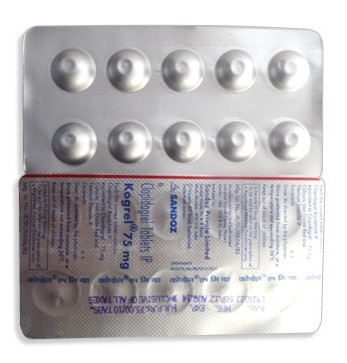
Aspirin therapy is fundamental for coronary artery disease patients, helping prevent blood clot formation and reducing heart attack risk. Many patients benefit from dual antiplatelet therapy combining aspirin with medications like Clopidogrel following stent placement or acute events.
Patients with angina should undergo cardiac testing to determine disease severity and guide treatment intensity. Lifestyle modifications including exercise, stress management, smoking cessation, and dietary changes complement medication therapy. Regular follow-up appointments ensure treatment effectiveness and allow for medication adjustments as needed.
Heart failure occurs when the heart cannot pump blood effectively, resulting in fluid accumulation and reduced oxygen delivery to body tissues. This serious condition affects quality of life significantly but responds well to comprehensive medication management.
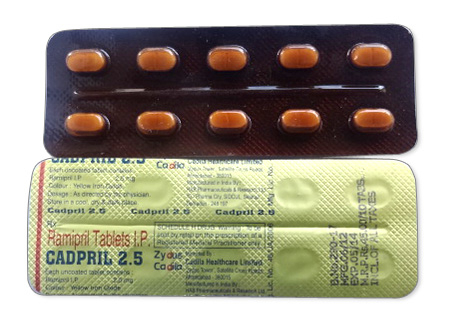
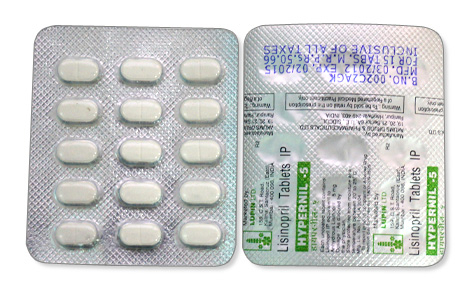
ACE inhibitors and angiotensin receptor blockers form the foundation of heart failure treatment, reducing heart workload and improving survival. Lisinopril, Enalapril, Losartan, and Valsartan are commonly prescribed for this purpose. Newer agents like sacubitril/valsartan combination medications offer additional benefits for certain heart failure patients.
Beta-blockers including Bisoprolol, Carvedilol, and Metoprolol tartrate improve heart function and reduce mortality in heart failure. Aldosterone antagonists such as Spironolactone help manage fluid retention and improve outcomes. Loop diuretics like Furosemide relieve congestion symptoms and improve breathing.
Newer heart failure medications continue expanding treatment options. Sodium-glucose cotransporter inhibitors like Empagliflozin and Dapagliflozin improve outcomes regardless of diabetes status. Ivabradine reduces heart rate specifically in certain heart failure patients, while Vericiguat helps prevent worsening heart failure.
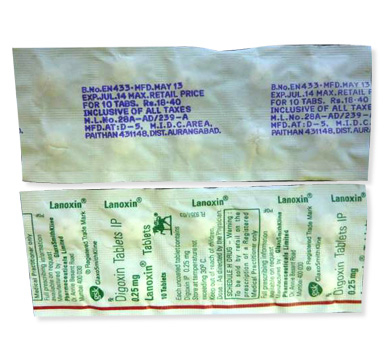
Digoxin, an older medication, remains useful for heart failure patients with concurrent atrial fibrillation, providing dual benefits of rate control and improved heart contractility. Regular monitoring through blood work and imaging ensures optimal medication management and allows early intervention if deterioration occurs.
Blood clotting disorders require careful medication management to prevent dangerous clots whilst minimizing bleeding risks. Thrombotic conditions can develop following surgery, during prolonged immobility, or in certain disease states.
Anticoagulants prevent clot formation through different mechanisms. Warfarin has served as the standard anticoagulant for decades, requiring regular blood test monitoring and dietary consistency. Direct oral anticoagulants including Apixaban, Rivaroxaban, Dabigatran, and Edoxaban provide effective clotting prevention with more convenient dosing and minimal monitoring requirements.
Heparin and low-molecular-weight heparins such as Enoxaparin provide rapid anticoagulation for acute situations, often used in hospitals and emergency settings. These medications are especially valuable for preventing blood clots after surgery or during acute illness.
Antiplatelet medications including Aspirin, Clopidogrel, and Prasugrel prevent clotting by reducing platelet aggregation. These drugs are essential following stent placement or acute coronary events. Ticagrelor offers another dual antiplatelet option for certain cardiac patients.
Thrombolytic medications dissolve existing clots during acute myocardial infarction or stroke, potentially restoring blood flow and minimizing tissue damage. These powerful medications must be administered promptly in emergency settings for maximum benefit.
Patients requiring anticoagulation need careful medication selection based on indication, kidney function, and bleeding risk assessment. Regular follow-up ensures treatment effectiveness whilst monitoring for adverse effects. Patient education about medication adherence, dietary considerations, and bleeding precautions is essential for optimal outcomes.