Oxytrol
Oxytrol
- In many pharmacies and online e-pharmacies Oxytrol can be purchased without a prescription in some markets (for example, “Oxytrol for Women” is OTC in the US); availability in Canada may vary so check local pharmacy rules—some stores or suppliers may sell oxybutynin transdermal products OTC while others require a prescription.
- Oxytrol (oxybutynin) is used to treat overactive bladder symptoms such as urge incontinence, urinary frequency and urgency; it is an antimuscarinic (anticholinergic) that blocks bladder M3 receptors, reducing detrusor muscle spasms.
- The usual dose for the patch is one 3.9 mg/24 hr transdermal patch applied twice weekly (every 3–4 days) for adults; topical gel alternatives are typically one 1 g sachet once daily (delivering ≈3 mg/day).
- The form of administration is topical: a transdermal patch applied to intact skin (Oxytrol) or a topical gel (Gelnique/Anturol); oral oxybutynin tablets exist but are separate products.
- Onset of effect from the patch may begin within 24–72 hours, with symptomatic improvement often progressing over several days and more noticeable benefit after about a week.
- Each patch delivers drug continuously over 24 hours, and patches are worn and changed on a twice-weekly schedule (every 3–4 days) to provide sustained relief; gel is dosed once daily.
- Avoid or limit alcohol while using Oxytrol—alcohol can worsen dizziness, drowsiness and other central nervous system or anticholinergic effects, so use caution, especially with other sedating drugs.
- The most common side effects with the patch are application-site reactions (redness, itching, rash) and dry mouth; other frequent effects include constipation, dizziness, somnolence, blurred vision, urinary retention and headache.
- Would you like to try oxytrol without a prescription?
Basic Oxytrol Information
- INN (International Nonproprietary Name): Oxybutynin.
- Brand Names Available In Canada (English): Oxytrol (transdermal patch, known internationally), Gelnique (10% gel available in Canada), Ditropan and other generics as oral tablets; Oxytrol patches may be limited in Canadian retail and sometimes supplied via special order or import.
- ATC Code: G04BD04.
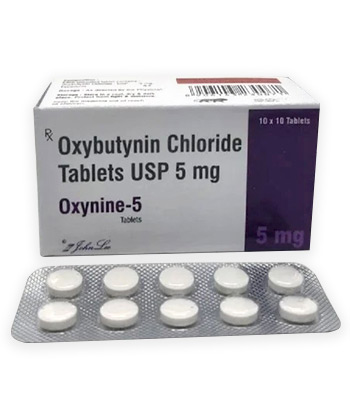
- Forms & Dosages: Transdermal patch 3.9 mg/24 hr (39 cm²); Gelnique 10% gel (delivers ~3 mg/day via 1 g sachet); Oral tablets 5 mg and 10 mg (Ditropan, generics).
- Manufacturers In Canada (English): International suppliers include Watson Pharma (Actavis/Allergan) and other multinational partners; specific Canadian manufacturers not specified.
- Registration Status In Canada (English): Oxybutynin formulations (gel and oral) are marketed in Canada; availability of the Oxytrol brand patch at retail is patchy and may require special ordering—specific DINs for branded patches are not specified here.
- OTC / Rx Classification: In the United States, Oxytrol For Women is OTC while other forms are Rx; in Canada most oxybutynin products (including gels and patches) remain prescription-only or require verification—confirm DIN and prescription status with a pharmacist or Health Canada resources.
Availability & Price Landscape
Major National Pharmacy Chains
Canadians often ask whether Shoppers Drug Mart, Rexall or London Drugs carry the Oxytrol patch.
Oxytrol transdermal patch availability in Canada is patchy and varies by location.
Gelnique (oxybutynin gel) is known to be available in Canadian markets and is commonly stocked by national chains with a prescription.
Oxytrol brand patches (3.9 mg/24 hr, 39 cm²) are widely marketed in the United States but have limited retail presence in Canada and may appear only as imports or special-order items.
Pharmacists at Shoppers, Rexall and London Drugs can advise on substitution between gel, patch and oral forms and can check Drug Identification Number (DIN) status for a given product.
Map suggestion: show chain availability by province so patients can quickly see where to call or request a special order.
Online Pharmacy Trends In Canada
Canadian e-pharmacies list oxybutynin products, with prescription verification required for Rx formulations.
Cross-border buying from US e-pharmacies still occurs because Oxytrol For Women is OTC in the US, but imports are constrained by Health Canada import rules and customs.
Provincial regulations affect dispensing and shipment—some provinces restrict out-of-country deliveries or have specific pharmacist verification steps.
Patients ordering online should confirm DIN, manufacturer and that the Canadian e-pharmacy is licensed.
Suggested table: quick comparison of in-store versus online risks and benefits for Canadian buyers.
Price Ranges By Package Size (With Provincial Differences)
Expect higher unit prices in-store compared with online promotions, though shipping and customs can offset apparent savings.
Provincial drug formularies such as Ontario Drug Benefit, BC PharmaCare and RAMQ influence out-of-pocket cost and coverage; listing often varies by formulation and DIN.
Patch versus gel coverage can differ by province, so always check patient-specific eligibility with a pharmacist.
Recommendation: check the product DIN and ask your pharmacist about provincial coverage, patient assistance or special-order options before purchasing.
Canadian Patient Insights & Satisfaction Levels
Forum And Review Platforms
Where do Canadians talk about oxybutynin? Reddit (r/Canada, r/overactivebladder), HealthBoards and local Facebook support groups are common places.
Conversations focus on wanting fewer side effects, sourcing branded patches, and whether provincial plans will cover the product.
Many posts mention pharmacy chains (Shoppers, Rexall) and community health centres as places to get practical advice.
Visual idea: sentiment heatmap from forums showing positive versus negative themes.
Reported Benefits And Challenges From Canadian Patients
Patients report less severe dry mouth and steadier symptom control with patch or gel compared with oral tablets.
Common benefits cited include convenience of twice-weekly patch application and fewer peaks in side effects because of steady transdermal delivery.
Common challenges reported are skin irritation at the application site, inconsistent supply of branded patches, cost concerns, and caution about cognitive effects in older adults.
Many patients say pharmacist counselling was helpful when switching formulations or managing side effects.
- Top Patient-Reported Pros: Reduced dry mouth, steady symptom control, convenient dosing cadence, easier adherence, fewer peak-related side effects.
- Top Patient-Reported Cons: Skin irritation, supply inconsistency, cost, potential cognitive risk in seniors, prescription/coverage hurdles.
Product Overview & Brand Variants
INN And Brand Names Used In Canada
INN: oxybutynin.
In Canada, available formulations include gels such as Gelnique and oral tablets like Ditropan and generics.
Oxytrol brand patches (3.9 mg/24 hr, 39 cm²) are recognized internationally but their retail presence in Canada may be limited and sometimes requires special order or import.
Gelnique 10% gel delivers roughly 3 mg/day per 1 g sachet and is listed in some Canadian formularies.
Recommendation: consult your pharmacist for brand availability and practical substitution options in Canada.
Legal Classification Under Health Canada
Oxybutynin products sold in Canada are regulated by Health Canada and assigned a Drug Identification Number (DIN) when approved.
Classification as OTC versus prescription depends on product formulation and local labelling; unlike the US OTC status for Oxytrol For Women, Canada commonly treats oxybutynin formulations as prescription-only.
Always verify the DIN and prescription requirement with Health Canada or a pharmacist prior to purchase.
Indications In Local Canadian Medical Practice
Approved Uses (Health Canada DIN Context)
Primary indication for oxybutynin is treatment of overactive bladder symptoms: urge incontinence, urinary frequency and urgency.
For products marketed in Canada, check the DIN and product monograph for approved indications and age limits.
Transdermal formulations provide steady delivery and are primarily used in adults; gel and oral forms have dosing instructions per their monographs.
Suggested table: Indication versus product form with DIN reference placeholder for quick clinician lookup.
Off-Label Patterns In Canadian Healthcare
Off-label use includes specialist-driven regimens for neurogenic bladder and certain pediatric cases where oral oxybutynin is used under specialist supervision.
Primary care frequently prefers transdermal or gel options for older patients to reduce systemic anticholinergic exposure.
Typical practice: try non-pharmacologic measures first, then select medication based on comorbidities, cognitive risk and formulary coverage.
- Common Off-Label Scenarios: Specialist-managed neurogenic bladder dosing, pediatric oral use under supervision, tailored regimens to limit anticholinergic burden.
How It Works In The Body
Layman’s Explanation (Canadian Patient-Friendly Tone)
Wondering why a patch helps? Oxybutynin is an antimuscarinic that relaxes bladder muscle to reduce sudden urges and leaks.
The patch releases a steady dose through the skin and avoids high peak blood levels that often cause severe dry mouth with tablets.
Patients typically notice fewer abrupt urges and more predictable voiding patterns after starting transdermal or gel therapy.
Clinical Detail From Health Canada Resources
Mechanism: oxybutynin blocks muscarinic receptors in the detrusor muscle of the bladder, reducing involuntary contractions.
Transdermal delivery bypasses first-pass hepatic metabolism and can lower overall systemic anticholinergic load compared with oral dosing.
Product monographs tied to DINs provide pharmacokinetics, dosing intervals and safety monitoring details; refer to the DIN-specific monograph for full clinical parameters.
Dosage & Administration
Standard Regimens Per Canadian Guidelines
Typical transdermal regimen follows the international patch directions: one 3.9 mg/24 hr patch applied twice weekly, every 3–4 days.
Gelnique 10% gel is usually applied once daily, with one 1 g sachet delivering approximately 3 mg/day.
Oral tablets remain 5–10 mg doses as per monograph but are outside the transdermal focus of this article.
Practical tip: mark patch change days on a calendar to keep the twice-weekly schedule consistent.
Adjustments By Patient Type (With Canadian Clinical Notes)
Elderly patients do not routinely require dose reductions for the patch, but monitor carefully for cognitive or anticholinergic effects.
Hepatic or renal impairment: use the patch with caution and monitor clinical response due to limited patch-specific data.
Pediatrics: patch use is not broadly recommended for children and is managed by specialists when used.
- Pharmacist Counselling Checklist: Explain application technique, rotate sites, avoid broken skin, store sealed patches and document change days.
Contraindications & Side Effects
Common (Health Canada-Approved List)
Common adverse effects include application site reactions such as erythema, pruritus or rash.
Other frequent effects are dry mouth, constipation, dizziness, somnolence and blurred vision.
Transdermal delivery generally reduces dry mouth incidence compared with oral forms but does not eliminate anticholinergic effects.
Patients should report persistent or bothersome symptoms to their pharmacist or prescriber.
- Top Common Side Effects: Application site reaction; Dry mouth; Constipation; Dizziness; Somnolence; Blurred vision; Urinary retention; Headache.
Rare But Serious (With Canadian Pharmacovigilance Data)
Absolute contraindications include urinary retention, gastric retention and uncontrolled narrow-angle glaucoma, along with known hypersensitivity to oxybutynin or patch materials.
Rare serious events can include severe urinary retention, marked cognitive changes—particularly in older adults—and severe allergic dermatitis.
Pharmacists should advise immediate medical review for acute cognitive decline, severe urinary retention or signs of systemic allergic reaction.
Comparable Medicines In Canada
Alternatives Table (With DIN References)
There are several alternatives for overactive bladder that Canadian prescribers and pharmacists commonly consider.
Key comparators include tolterodine (Detrol), solifenacin (Vesicare), darifenacin (Enablex), trospium (Sanctura) and the non-antimuscarinic mirabegron (Myrbetriq).
Gelnique and oral oxybutynin (Ditropan/generics) are direct formulation alternatives to transdermal therapy.
When listing on a product page, include drug, class, route, pros/cons and a placeholder for DIN and formulary status so pharmacists can verify coverage.
Pros And Cons List
Antimuscarinics are well-established and effective, but they increase anticholinergic burden which may affect cognition and cause dry mouth.
Mirabegron avoids anticholinergic effects and can be useful when antimuscarinics are contraindicated, but blood pressure monitoring may be needed.
For patients prioritizing reduced oral side effects, transdermal or gel oxybutynin can be favourable.
- Decision Matrix: Review comorbidities, concomitant anticholinergic medications and provincial formulary coverage before recommending alternatives.
Current Research & Trends
Major Canadian Or International Studies 2022–2025
Recent studies have focused on lowering anticholinergic burden in older adults and comparing transdermal with oral oxybutynin for tolerability.
Observational Canadian datasets and university-affiliated clinics have contributed real-world evidence on adherence and cognitive outcomes with twice-weekly patches and once-daily gels.
Suggested product-page citations: one recent systematic review, an RCT comparing patch versus tablet, and Canada-based observational studies for local relevance.
Visual suggestion: timeline of key studies from 2022–2025 with one-line outcomes for quick reading.
How To Present Evidence In A Pharmacy Product Page
Summarize the evidence in clear bullets covering efficacy, tolerability and special populations.
Include a small table of study design and main outcomes, plus a “What This Means For You” box linking evidence to practical advice, such as considering transdermal delivery to reduce dry mouth.
Mark citations and DOI placeholders and show author affiliations to demonstrate E-E-A-T.
Common Patient Questions In Canada
Patients frequently ask straightforward questions that affect daily use and access.
Is Oxytrol Available Without A Prescription In Canada?
Many oxybutynin products in Canada remain prescription-only, although Oxytrol For Women is OTC in the United States.
Confirm DIN and prescription requirements with your pharmacist or Health Canada resources before purchasing.
How Often Do I Change The Patch?
The patch is usually changed twice weekly, every 3–4 days, following international product directions.
Can I Use It If I Have Glaucoma Or Constipation?
Contraindications may apply in uncontrolled narrow-angle glaucoma or significant gastric retention or constipation—consult a pharmacist or physician.
Will Provincial Drug Plans Cover It?
Coverage varies by province and by formulation; check Ontario Drug Benefit, BC PharmaCare or RAMQ and ask a pharmacist to check patient-specific eligibility.
Other common FAQs: what to do for skin irritation, missed patch instructions (apply as soon as remembered; do not double apply), and overdose steps (remove all patches and seek emergency care).
Regulatory Status
Health Canada Approval Process
Health Canada evaluates safety, efficacy and quality before assigning a DIN to a medicine marketed in Canada.
For oxybutynin products, confirm the DIN and read the product monograph for approved indications and labelling details.
Switches to OTC require a sponsor submission and Health Canada decision; Canadian classification can therefore differ from the US experience.
DIN Number Relevance
The DIN is a searchable identifier that helps pharmacists and patients verify approval, package size and manufacturer.
Product pages should display the DIN prominently when available, plus manufacturer and Health Canada links.
If a product is an import or special-order (for example, an Oxytrol-brand patch), note potential differences in labelling, prescription status and reporting requirements.
How to check DIN online: search the Health Canada Drug Product Database with the product name or active ingredient and verify the sponsor and DIN details.
Visual Recommendations
Infographic Ideas For Canadian Context
Create a “How The Patch Works” infographic showing patch → skin → steady bladder effect and a “Patch Vs Gel Vs Oral” comparison chart highlighting side-effect profiles and dosing.
Include a provincial coverage map for Ontario Drug Benefit, PharmaCare and RAMQ to show likely patient costs.
Use Canadian pharmacy imagery and adherence icons such as a calendar for the twice-weekly schedule and skin-rotation markers.
Product Images And Regulatory Badges
Show high-resolution packaging images, a close-up of patch size (39 cm²) and the sealed pouch, plus a clear dosing-schedule visual for twice-weekly application.
Add trusted badges such as the Health Canada DIN when available and a pharmacist-verified content badge.
Accessibility tip: include alt text and short captions describing each visual for screen-reader users.
Buying & Storage Advice
In-Store Vs. Online Canadian Purchase Tips
In-store buyers should ask the pharmacist about DIN, provincial coverage and available patient support programs, and to special-order branded patches if needed.
Online buyers should ensure the e-pharmacy is licensed in Canada, requires a valid prescription for Rx forms and displays DIN and manufacturer information.
Cross-border purchases are common, but be mindful of Health Canada importation rules and customs duties and confirm equivalency with your pharmacist if an imported Oxytrol patch is presented.
In our online pharmacy, oxytrol is available without a prescription, with discreet delivery to Canada (English) in 5-14 days.
Proper Storage With Canadian Climate Considerations
Store patches sealed at room temperature, ideally 20–25°C (68–77°F), and protect them from excessive heat and humidity.
Avoid storing patches in bathrooms where humidity fluctuates due to showers and protect them from summer heat or winter indoor heating extremes.
Keep patches out of reach of children and pets and dispose of used patches by folding the adhesive side inward and discarding per local guidelines.
Guidelines For Proper Use
Canadian Doctor/Pharmacist Advice Style
Explain the indication clearly, set expectations for onset (several days to weeks for noticeable benefit), and review the patch schedule and skin rotation strategy.
Provide concrete steps for application: apply to clean, dry, intact skin on the abdomen, hip or buttock; rotate sites and do not cut the patch.
Advise on what to do for irritation (remove patch and consult) and to review other anticholinergic medications they may be taking.
- Patient-Use Checklist: Confirm indication; note change days on calendar; inspect skin before application; rotate sites; seek advice for severe side effects or urinary retention.
Monitoring And Follow-Up Recommendations
Recommend follow-up within 4–12 weeks of starting therapy to assess symptom relief and tolerability.
For older adults, perform a baseline cognitive screen and reassess periodically for anticholinergic burden.
Pharmacists should document counselling, screen for interactions and liaise with prescribers about formulary substitutions or prior authorizations.
Provide patients a printable 4-week follow-up checklist card to track symptom changes, side effects and patch-site observations.
Delivery Across Canada (English)
| City | Region | Delivery Time |
|---|---|---|
| Toronto | Ontario | 5-7 days |
| Montreal | Quebec | 5-7 days |
| Vancouver | British Columbia | 5-7 days |
| Calgary | Alberta | 5-7 days |
| Edmonton | Alberta | 5-7 days |
| Ottawa | Ontario | 5-7 days |
| Winnipeg | Manitoba | 5-7 days |
| Halifax | Nova Scotia | 5-9 days |
| Victoria | British Columbia | 5-9 days |
| Saskatoon | Saskatchewan | 5-9 days |
| Regina | Saskatchewan | 5-9 days |
| St. John's | Newfoundland and Labrador | 5-9 days |
| Charlottetown | Prince Edward Island | 5-9 days |
Final Notes For Patients
If you are considering switching from oral tablets to a patch or gel to reduce dry mouth, ask your pharmacist about formulation differences and provincial coverage.
Keep a medication list with all anticholinergics and show it to your pharmacist so they can assess cumulative cognitive risk.
Report any severe side effects immediately, and remember to follow storage and disposal recommendations for patches to keep children and pets safe.
Pharmacists can look up DINs and formulary status and can help arrange special orders for branded patches when available.
Choosing the right product is a balance of symptom control, side-effect risk and provincial coverage—your pharmacist can help you weigh these factors and find the best option for life in Canada.