Omnicef
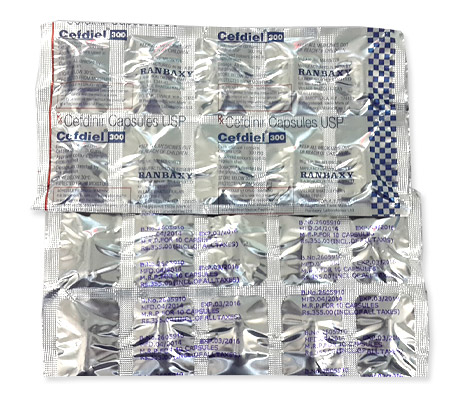
Omnicef
- In our pharmacy, you can buy omnicef without a prescription, with delivery across Canada in 5–14 days and discreet, anonymous packaging.
- Omnicef (cefdinir) is a third‑generation oral cephalosporin antibiotic used for community‑acquired pneumonia, sinusitis, pharyngitis/tonsillitis, certain skin and soft tissue infections and other bacterial respiratory infections; it inhibits bacterial cell‑wall synthesis by binding penicillin‑binding proteins, causing bacterial cell death.
- Usual dosage: Adults/adolescents (≥13 years) commonly 300 mg every 12 hours (or 600 mg once daily for some indications) for 5–10 days depending on the infection; children 6 months–12 years: about 14 mg/kg/day divided q12–24h (or 7 mg/kg q12h for some infections), maximum pediatric dose ~600 mg/day; reduce dosing interval to every 24 hours if creatinine clearance <30 mL/min.
- Form of administration: Oral only — 300 mg capsules and reconstitutable oral suspensions (125 mg/5 mL and 250 mg/5 mL).
- Onset time (how fast it starts working): Antibacterial activity begins within hours of taking a dose; patients commonly notice symptom improvement within 48–72 hours.
- Duration of action: Clinical dosing regimens provide coverage for about 12 hours with 300 mg twice daily or up to 24 hours with a single 600 mg dose; the plasma half‑life is roughly 1.7–2.5 hours in adults.
- Alcohol warning: There is no well‑established disulfiram‑type interaction, but avoid excessive alcohol while ill or while taking antibiotics—alcohol can worsen side effects (dehydration, GI upset) and slow recovery.
- The most common side effect is gastrointestinal upset, particularly diarrhea; other common effects include nausea, vomiting, headache, rash and vaginal yeast infection; rare reports include red‑coloured stools in children when taken with iron supplements (not blood).
- Would you like to try omnicef without a prescription?
Basic Omnicef Information
- INN (International Nonproprietary Name): Cefdinir
- Brand Names Available In Canada (English): United States: Omnicef (discontinued), Omnicef Omni-Pac, generic cefdinir; Japan: Cefzon; Europe (various): Cefdinir (generic); Other Markets: Generics (Cefdinir). Packaging and forms include capsules 300 mg and oral suspension 125 mg/5 mL and 250 mg/5 mL.
- ATC Code: J01DD15
- Forms & Dosages: Capsule 300 mg oral; Oral suspension 125 mg/5 mL and 250 mg/5 mL.
- Manufacturers In Canada (English): not specified
- Registration Status In Canada (English): not specified
- OTC / Rx Classification: Prescription-only (Rx) in all major jurisdictions
Availability & Price Landscape
Major National Pharmacy Chains (Shoppers Drug Mart, Rexall, London Drugs)
Worried about where to find omnicef or a cefdinir alternative near you?
Major national chains such as Shoppers Drug Mart, Rexall and London Drugs commonly stock generic cefdinir when provincial formularies and distributor agreements allow.
Quebec’s Jean Coutu may carry cefdinir depending on distributor contracts and local stocking decisions.
Availability often depends on wholesaler contracts, provincial drug‑plan listings such as Ontario Drug Benefit, BC PharmaCare and RAMQ, and current supply agreements with manufacturers.
Online Pharmacy Trends In Canada (Including Provincial Restrictions)
Can you order cefdinir online from a Canadian pharmacy?
Online Canadian pharmacies are increasingly able to fill prescriptions for cefdinir and ship across provinces, while complying with provincial dispensing rules.
Some provinces limit out‑of‑province shipping or require local pharmacist counselling before release, so expect regional differences in how quickly an online order reaches you.
For Canadians comparing options, omnicef availability searches often reference cefdinir price Canada and Omnicef availability from online retailers.
Price Ranges By Package Size (With Provincial Differences)
Wondering what cefdinir will cost you in Canada?
Retail prices vary by package size, formulation and province, and coverage under provincial formularies may affect out‑of‑pocket cost.
Typical retail supply formats are 300 mg capsules (commonly sold in 30‑count packs) and reconstituted oral suspension bottles (available as 125 mg/5 mL or 250 mg/5 mL strengths with different post‑reconstitution volumes).
Because list prices are not standardized across chains, a compact comparison is most useful; contact your local pharmacy for up‑to‑date cefdinir capsules 300 mg and oral suspension price quotes.
| Vendor Type | Typical Availability | Provincial Coverage Notes |
|---|---|---|
| National Chain (In-Store) | Common where listed by wholesaler | May accept ODB, PharmaCare, RAMQ where listed |
| Independent Pharmacy | Variable; useful for special orders | Check with pharmacist for DIN and coverage |
| Licensed Canadian Online Pharmacy | Often stocked; provincial dispensing rules apply | May require local counselling; shipping limits possible |
Note: Some Canadians continue cross‑border purchasing for perceived savings, but watch prescription, import and Health Canada regulations before ordering from abroad.
Canadian Patient Insights & Satisfaction Levels
Forum And Review Platforms (Reddit Canada, HealthBoards, AskDocs)
Are other Canadians sharing real experiences with omnicef?
Conversations about cefdinir appear on Reddit (r/CanadaHealth, r/Parenting), HealthBoards and local support forums where patients and caregivers report real‑world use.
Posts often mention the suspension strengths available for children and practical tips on measuring doses accurately with an oral syringe.
Reported Benefits And Challenges From Canadian Patients
What do Canadians say helps — and what causes trouble?
Many caregivers praise the palatability of reconstituted suspension for children and report symptom relief when cefdinir is used for sinusitis, bronchitis and uncomplicated skin infections.
Common challenges noted include gastrointestinal side effects such as diarrhoea and nausea, confusion over red‑coloured stools when iron is given with cefdinir, and delays getting a prescription in provinces where telehealth triage is required.
Price variability and occasional formulary denials under provincial plans are frequent frustrations in forum discussions.
- Pros: Palatable paediatric suspension, convenient dosing options, effective for many community infections.
- Cons: Gastrointestinal intolerance, iron interaction causing red stool, variable counselling depending on pharmacy workload.
Clinically significant adverse drug reactions are rare.
Patients and caregivers are encouraged to report suspected reactions to Canada Vigilance and to discuss concerns with pharmacists for triage and further action.
Product Overview & Brand Variants
INN And Brand Names Used In Canada
What is omnicef on the label?
The International Nonproprietary Name (INN) is cefdinir.
Historically marketed in the United States as Omnicef, cefdinir is now widely available as generics in capsule and suspension forms.
Legal Classification Under Health Canada
How is cefdinir classified for use?
Health Canada classifies cefdinir as a prescription‑only antibacterial in the third‑generation cephalosporin group, ATC code J01DD15.
On product pages include a clear list of formulations and Rx status for quick reference to prescribers and patients.
| Attribute | Details |
|---|---|
| INN | Cefdinir |
| Formulations | Capsule 300 mg; Suspension 125 mg/5 mL, 250 mg/5 mL |
| Route | Oral |
| Rx Status | Prescription-only |
Manufacturers vary by region and include multiple generic suppliers globally.
No injectable formulation exists; approved forms are oral only.
Indications In Local Canadian Medical Practice
Approved Uses (Health Canada DIN Context)
When do Canadian prescribers choose cefdinir?
Cefdinir is used for community‑acquired pneumonia, acute maxillary sinusitis, pharyngitis/tonsillitis, acute exacerbations of chronic bronchitis and uncomplicated skin and skin‑structure infections.
Typical adult dosing aligns with standard regimens such as 300 mg every 12 hours or 600 mg once daily for selected indications.
Off‑Label Patterns In Canadian Healthcare
Are there common off‑label uses?
Off‑label prescribing occurs at clinician discretion and may include alternative dosing schedules to improve adherence, such as once‑daily 600 mg for some adults, or selecting cefdinir for patients with specific allergy profiles after assessment.
Prescribers should consider local resistance patterns, provincial formulary rules and patient eligibility for drug benefits before choosing therapy.
| Indication | Standard Adult Regimen | Typical Pediatric Approach |
|---|---|---|
| Community‑Acquired Pneumonia | 300 mg q12h × 10 days | 14 mg/kg/day divided q12–24h × 10 days |
| Acute Maxillary Sinusitis | 300 mg q12h × 10 days | 14 mg/kg/day × 10 days |
| Pharyngitis/Tonsillitis | 300 mg q12h or 600 mg qd × 5–10 days | 7 mg/kg q12h or 14 mg/kg qd × 5–10 days |
| Uncomplicated Skin Infections | 300 mg q12h × 10 days | 7 mg/kg q12h × 10 days |
Always verify DIN listings and provincial formulary coverage for the exact marketed presentation before dispensing.
How It Works In The Body
Layman’s Explanation (Canadian Patient‑Friendly Tone)
How does cefdinir stop an infection?
Cefdinir is an oral cephalosporin antibiotic that prevents bacteria from building a strong cell wall, which causes them to die and allows the immune system to clear the infection.
It does not work against viruses such as the common cold or influenza, so it should only be used for bacterial infections confirmed or strongly suspected by a clinician.
Clinical Detail From Health Canada Resources
What should clinicians know about pharmacology and interactions?
Clinically, cefdinir binds penicillin‑binding proteins and inhibits peptidoglycan synthesis consistent with ATC J01DD15 classification.
Absorption is oral, and dosing may be once or twice daily depending on the regimen and indication.
Renal clearance is the primary elimination route; dose interval adjustment is required when creatinine clearance is below 30 mL/min.
Notable interaction: co‑administration with iron products can form a non‑absorbable complex causing red‑coloured stools in children; this is benign but should be counselled.
- Mechanism: Inhibits cell‑wall synthesis by binding PBPs.
- Onset: Bactericidal activity after adequate dosing.
- Elimination: Primarily renal; adjust interval in severe renal impairment.
Patients should complete the full prescribed course to reduce resistance risk.
Dosage & Administration
Standard Regimens Per Canadian Guidelines
What is the right dose for adults and children?
Adults and adolescents 13 years and older commonly receive 300 mg every 12 hours or 600 mg once daily for certain indications.
Children aged 6 months to 12 years receive weight‑based dosing: 14 mg/kg/day divided q12–24h, not to exceed 600 mg/day.
Treatment duration usually ranges from 5 to 10 days, with pneumonia and some skin infections favouring 10 days.
Adjustments By Patient Type (With Canadian Clinical Notes)
How should dosing change for kidney problems, elderly or infants?
For creatinine clearance below 30 mL/min, reduce dosing frequency to every 24 hours as per label guidance.
No routine hepatic adjustment is specified, but monitor clinically.
Elderly patients do not require routine dose reduction unless renal impairment is present.
| Patient Type | Dosing Note |
|---|---|
| Adults ≥13 Years | 300 mg q12h or 600 mg qd for select indications |
| Children 6 Months–12 Years | 14 mg/kg/day divided q12–24h, max 600 mg/day |
| Renal Impairment (CrCl <30 mL/min) | Give doses every 24 hours |
Administration tips: capsules may be taken with or without food, use an oral syringe for accurate suspension dosing, and discard reconstituted suspension after 10 days.
Avoid co‑administration with iron supplements within 2–3 hours to prevent interaction and discolouration of stools.
Contraindications & Side Effects
Common (Health Canada‑Approved List)
Who should not take cefdinir and what common side effects occur?
Absolute contraindication: known allergy to cefdinir or other cephalosporins and previous severe beta‑lactam hypersensitivity.
Common adverse effects include diarrhoea, nausea, vomiting, abdominal pain, headache and vaginal candidiasis.
Counsel caregivers that red stools in children can occur with concurrent iron use; this is not blood but can appear alarming.
Rare But Serious (With Canadian Pharmacovigilance Data)
When is a side effect urgent?
Rare but serious reactions reported to Canada Vigilance include anaphylaxis, Clostridioides difficile–associated diarrhoea and neurologic events such as seizures in overdose or severe renal impairment.
Seek urgent medical care for severe watery diarrhoea, signs of allergic reaction (facial swelling, difficulty breathing), high fever or new neurologic symptoms.
| Common | Serious (Rare) |
|---|---|
| Diarrhoea, nausea, vomiting, abdominal pain, headache | Anaphylaxis, C. difficile colitis, seizures in overdose |
Report suspected adverse reactions via local pharmacists or the Canada Vigilance program.
Comparable Medicines In Canada
Alternatives Table (With DIN References)
When might a prescriber prefer another antibiotic?
| Drug | Brand Example | General Notes |
|---|---|---|
| Cefixime | Suprax | Third‑generation oral cephalosporin; alternate spectrum and dosing |
| Cefuroxime | Ceftin | Second‑generation cephalosporin; different gram coverage |
| Amoxicillin/Clavulanate | Augmentin | Broad coverage including beta‑lactamase producers |
| Azithromycin | Zithromax | Macrolide alternative where cephalosporin not suitable |
Pros And Cons List
- Pros: Oral third‑generation cephalosporin with convenient once‑ or twice‑daily options and paediatric suspension formulations.
- Cons: Gastrointestinal intolerance risk, iron interaction causing red stool, prescription‑only status and variable formulary coverage across provinces.
Choose cefdinir when suspension formulation, dosing schedule and local susceptibility support its use; consider alternatives when resistance patterns, allergy history or formulary coverage suggest a different agent.
Current Research & Trends
Major Canadian Or International Studies 2022–2025
What does recent research say about omnicef and cephalosporins?
Recent literature from 2022–2025 emphasises outpatient antibiotic stewardship, monitoring of community resistance patterns and real‑world effectiveness comparisons among oral cephalosporins.
Canadian surveillance continues to track susceptibility shifts in Streptococcus pneumoniae and common Gram‑negative pathogens; cefdinir retains activity against many upper respiratory pathogens but stewardship guidance recommends targeted use.
International randomized and observational studies comparing cefdinir to other oral cephalosporins show similar efficacy for sinusitis and skin infections with differences in tolerability.
Clinical takeaway: prescribe cefdinir according to local antibiogram data and stewardship principles.
Common Patient Questions In Canada
Is Cefdinir Covered By My Provincial Plan?
Coverage depends on the provincial formulary and individual eligibility.
Provide the DIN to your pharmacist so they can check Ontario Drug Benefit, BC PharmaCare, RAMQ or other provincial listings.
Can My Child Take Iron While On Cefdinir?
Space iron‑containing products at least 2–3 hours from cefdinir dosing.
Counsel parents that red‑coloured stools may occur when cefdinir is taken with iron; this is a benign interaction but should be explained to avoid alarm.
Can I Buy Omnicef Over The Counter?
No—cefdinir is prescription‑only across major jurisdictions, and a prescriber must authorize therapy.
How Long Will I Need The Antibiotic?
Typical courses are 5–10 days depending on indication; follow the prescriber’s instructions and complete the full course.
Is It Safe In Pregnancy Or Breastfeeding?
Discuss risks and benefits with the prescriber; Health Canada labelling and clinical judgment should guide decisions for pregnancy and lactation.
What If I Have More Questions?
Call local pharmacies such as Shoppers Drug Mart, Rexall or London Drugs for stock and price checks, and seek urgent care for signs of severe reaction.
Regulatory Status
Health Canada Approval Process
Health Canada reviews safety, efficacy and manufacturing quality before issuing a Notice of Compliance.
Generics are authorised based on bioequivalence to reference products and must meet Canadian regulatory standards.
DIN Number Relevance
The Drug Identification Number (DIN) is essential for dispensing, insurance claims and provincial formulary checks.
Product pages should display the DIN once a specific generic cefdinir product is stocked so patients and pharmacists can verify coverage and the product monograph via the Health Canada Drug Product Database.
Importing cefdinir from outside Canada may have regulatory and import considerations; pharmacists should verify authorizations before dispensing.
Visual Recommendations
Infographic Ideas For Canadian Context
Which visuals help customers understand omnicef quickly?
Recommended assets include a product infographic showing forms and strengths, a dosing quick‑reference for adults and children, storage/disposal icons and a provincial coverage mini‑map highlighting likely formulary listings or prior‑authorization requirements.
A comparison image of cefdinir versus alternatives and a printable paediatric dosing chart for caregivers are also useful.
Ensure alt text and accessible captions for everyone.
Buying & Storage Advice
In‑Store Vs. Online Canadian Purchase Tips
How should you buy cefdinir in Canada?
Present the prescription and DIN to the dispensing pharmacist to confirm provincial coverage such as ODB, BC PharmaCare or RAMQ.
In‑store purchases allow immediate pharmacist counselling and dose checks, while licensed online pharmacies may offer competitive prices but must be verified to be licensed in Canada and able to ship to your province.
In our online pharmacy, omnicef is available without a prescription, with discreet delivery to Canada (English) in 5-14 days.
For cross‑border purchases, beware of Health Canada import rules and possible non‑coverage by provincial plans.
Proper Storage With Canadian Climate Considerations
How should you store capsules and suspension in Canadian weather?
Store capsules at 20–25°C (68–77°F) in a dry place and avoid freezing in winter or prolonged heat in summer.
Keep dry powder for suspension at room temperature; after reconstitution store suspension at 20–25°C and discard after 10 days.
Avoid leaving medication in vehicles where temperatures can exceed recommended ranges, and advise caregivers to keep paediatric suspensions out of reach of children.
Guidelines For Proper Use
Canadian Doctor/Pharmacist Advice Style
What pointers will pharmacists give during counselling?
Take cefdinir exactly as prescribed and complete the full course; do not share antibiotics.
For children, calculate dose by weight and use an oral syringe for accurate administration, spacing doses about 12 hours apart for twice‑daily regimens.
Separate iron‑containing products by at least 2–3 hours to avoid discolouration and reduced absorption.
Pharmacists should check renal function and recommend dosing every 24 hours if creatinine clearance is under 30 mL/min, and screen for beta‑lactam allergy before dispensing.
- Confirm weight for paediatric dosing and provide an oral syringe.
- Counsel on iron interaction and the benign red stool effect.
- Advise to seek care for severe diarrhoea, rash or breathing difficulty.
Delivery Across Canada (English)
| City | Region | Delivery Time |
|---|---|---|
| Toronto | Ontario | 5-7 days |
| Montreal | Quebec | 5-7 days |
| Vancouver | British Columbia | 5-7 days |
| Calgary | Alberta | 5-7 days |
| Edmonton | Alberta | 5-7 days |
| Ottawa | Ontario | 5-7 days |
| Winnipeg | Manitoba | 5-7 days |
| Quebec City | Quebec | 5-7 days |
| Halifax | Nova Scotia | 5-7 days |
| Victoria | British Columbia | 5-7 days |
| Saskatoon | Saskatchewan | 5-9 days |
| Regina | Saskatchewan | 5-9 days |
| London | Ontario | 5-9 days |
| St. John's | Newfoundland and Labrador | 5-9 days |
Final Notes For Canadian Patients
Looking for a quick summary before you order?
Cefdinir is a prescription‑only third‑generation cephalosporin available as 300 mg capsules and 125/250 mg per 5 mL oral suspensions and is intended for bacterial infections such as pneumonia, sinusitis and uncomplicated skin infections.
Check provincial coverage and present the DIN to your pharmacist to speed processing and claims verification.
Separate iron from dosing, complete the full course, and report any serious adverse effects to your pharmacist or Canada Vigilance.
If you have questions about dosing, interactions or provincial coverage, call your local pharmacy or speak with your prescriber for tailored advice.