
Galantamine
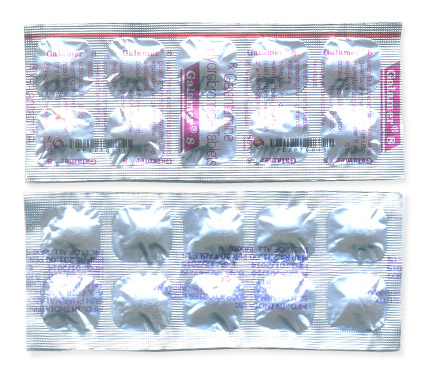
Galantamine
- In our pharmacy, you can buy galantamine without a prescription, with delivery in 5–14 days throughout Canada. Discreet and anonymous packaging is available.
- Galantamine is used to treat mild to moderate Alzheimer’s disease; it works by reversibly inhibiting acetylcholinesterase and allosterically modulating nicotinic acetylcholine receptors to increase synaptic acetylcholine and support cognition.
- The usual dose is initiated at 4 mg twice daily (immediate‑release) or 8 mg once daily (extended‑release), with increases every 4 weeks as tolerated to a typical maintenance range of 16–24 mg per day (divided for IR formulations).
- Administered orally as immediate‑release tablets (4 mg, 8 mg, 12 mg), extended‑release/prolonged‑release capsules (8 mg, 16 mg, 24 mg) or as an oral solution (commonly 4 mg/mL).
- Some symptomatic effects and cholinergic side effects can appear within hours to days, while cognitive benefits are usually observed within 2–6 weeks of starting treatment.
- Immediate‑release galantamine has a plasma half‑life of roughly 6–8 hours; extended‑release formulations provide once‑daily coverage (about 24 hours) and clinical benefits require continuous, chronic use to be maintained.
- Avoid excessive alcohol while taking galantamine; alcohol may worsen dizziness, sedation, cognitive impairment and gastrointestinal side effects.
- The most common side effect is nausea.
- Would you like to try galantamine without a prescription?
Basic Galantamine Information
- INN (International Nonproprietary Name): Galantamine
- Brand Names Available In Canada (English): Reminyl, Razadyne, and multiple generics; products marketed by originator and generic manufacturers are approved for sale in Canada.
- ATC Code: N06DA04
- Forms & Dosages: Immediate-release tablets 4 mg, 8 mg, 12 mg; extended/prolonged-release capsules 8 mg, 16 mg, 24 mg; oral solution 4 mg/mL (availability of oral solution may vary by distributor).
- Manufacturers In Canada (English): Not specified
- Registration Status In Canada (English): Approved in Canada; prescription-only (Rx) products carry a Drug Identification Number (DIN) when marketed.
- OTC / Rx Classification: Prescription Only (Rx)
Availability & Price Landscape
Canadians often ask where they can get galantamine and what it will cost them.
Galantamine is prescription-only in Canada and is stocked by major national pharmacy chains including Shoppers Drug Mart, Rexall and London Drugs depending on the store and province.
Online Canadian pharmacies list galantamine but require a scanned prescription and pharmacist verification to comply with provincial pharmacy regulations.
Some chains and accredited online pharmacies offer home delivery and pharmacist counselling for galantamine prescriptions.
Provincial drug plans such as Ontario Drug Benefit, BC PharmaCare and RAMQ may cover galantamine for eligible seniors or through formularies with varying criteria and prior authorisation requirements.
Price varies by brand versus generic, pack size and formulation, with generics from manufacturers such as Teva or Mylan usually costing less than Reminyl or Razadyne.
Smaller tablet packs (30–60) and extended-release packs (8–24 mg strengths) show price differences between in-store retail and online discount pharmacies.
Cross-border purchasing from the United States is common but carries regulatory and import risks because products without a Canadian DIN may not be authorised.
When checking purchase or pricing, confirm the product DIN and ask your pharmacist about provincial coverage rules.
Major National Pharmacy Chains (Shoppers Drug Mart, Rexall, London Drugs)
Shoppers Drug Mart, Rexall and London Drugs commonly dispense galantamine products by prescription when in stock.
Availability depends on provincial demand, formulary status and individual store stocking decisions.
Chains often carry both originator brands (Reminyl, Razadyne) and locally sourced generics; exact brands vary by store.
Pharmacist counselling and medication reviews are available in-store and are valued by caregivers initiating therapy.
Some locations offer same-day pickup while others may transfer stock from central warehouses with short waits.
Online Pharmacy Trends In Canada (Including Provincial Restrictions)
Canadian online pharmacies require a valid prescription and will verify it before dispensing galantamine.
Provincial pharmacy regulators set rules that online pharmacies must follow, including pharmacist counselling and secure shipment standards.
Home delivery options reduce travel burden for caregivers and patients living in remote communities.
Price competition among online vendors can lower out-of-pocket cost, especially for generics, but ensure the seller displays a DIN to confirm authenticity.
Some provincial plans may not reimburse imported or non‑DIN products even if cheaper internationally.
Price Ranges By Package Size (With Provincial Differences)
Price ranges differ by brand, pack size and province, and generics are typically lower-cost than originators.
Typical retail differences appear between small tablet packs (30–60 tablets) and ER capsule packs that contain longer therapy days per pack.
Provincial formularies and bulk purchasing agreements influence what pharmacies charge and what is reimbursed.
Ask your pharmacist for a price comparison between Reminyl, Razadyne and local generics and confirm any co-pay or prior authorisation requirement with provincial drug plans.
Canadian Patient Insights & Satisfaction Levels
What do Canadians actually say about taking galantamine for dementia?
Conversations on Canadian forums such as Reddit Canada, HealthBoards, provincial caregiver groups and AskDocs often report modest cognitive stabilisation for people with mild to moderate Alzheimer’s disease.
Caregivers frequently note improved alertness and better performance on simple daily tasks compared with baseline after a few weeks to months of treatment.
Gastrointestinal side effects during titration—nausea, vomiting or reduced appetite—are commonly reported and often lead to temporary dose interruptions.
Many patients and families say satisfaction is higher when pharmacists provide clear counselling and when clinicians titrate slowly.
Access varies by province; memory clinics and community health centres in some regions facilitate quicker starts and coverage paperwork while other provinces may need specialist notes for public reimbursement.
Cardiac monitoring is sometimes discussed among caregivers when older patients have conduction disease, and many advise asking about ECGs if heart disease is present.
Practical peer tips include starting low, taking doses with food, monitoring weight and reporting dizziness or fainting immediately.
Forum And Review Platforms (Reddit Canada, HealthBoards, AskDocs)
Peer reviews balance modest cognitive benefits with tolerability concerns, especially early GI effects.
Threads often recommend pharmacist‑led medication reviews and caregiver involvement to monitor daily functioning and adverse effects.
Reported Benefits And Challenges From Canadian Patients
Top Patient-Reported Benefits:
- Improved alertness and attention compared with baseline.
- Slower decline in daily functioning in some patients.
- Better orientation and short-term memory in selected cases.
- Benefits seen within weeks to months for some patients.
- Greater satisfaction when counselling and slow titration are provided.
Top Patient-Reported Concerns:
- Gastrointestinal upset during titration.
- Weight loss and reduced appetite in some elderly patients.
- Out-of-pocket costs when not covered by public plans.
- Need for cardiac monitoring in patients with conduction disease.
- Occasional dose interruption due to side effects.
Product Overview & Brand Variants
Which brand or formulation should you expect at the pharmacy?
INN: Galantamine; ATC: N06DA04, an acetylcholinesterase inhibitor used for symptomatic treatment of Alzheimer’s disease.
Originator brands include Reminyl and Razadyne, and multiple generics are marketed globally by manufacturers such as Gedeon Richter, Teva, Mylan and Sandoz.
Available formulations reflected in Canadian stock typically include immediate‑release tablets (4 mg, 8 mg, 12 mg) and extended‑release capsules (8 mg, 16 mg, 24 mg).
Oral solution formulations exist internationally (4 mg/mL) and may be available through special order depending on supplier.
Health Canada classifies galantamine as prescription-only and assigns a Drug Identification Number (DIN) to each marketed product.
Display the DIN, manufacturer, pack size and form on product cards to verify regulatory legitimacy and support provincial coverage claims.
INN And Brand Names Used In Canada
Expect to see Reminyl or Razadyne referenced alongside generic galantamine products in pharmacy listings.
Confirm the DIN and packaging details when choosing between brands or generics.
Legal Classification Under Health Canada
Galantamine products are Prescription Only (Rx) in Canada and must be dispensed against a valid prescription and a DIN when marketed.
Indications In Local Canadian Medical Practice
What is galantamine used for in Canada and how do prescribers typically start it?
Health Canada approves galantamine for symptomatic treatment of mild to moderate Alzheimer’s disease, consistent with its ATC classification (N06DA04).
Common starting regimens from product monographs are 4 mg twice daily for immediate‑release or 8 mg once daily for extended‑release, with titration every four weeks toward a target of 16–24 mg/day as tolerated.
Provincial formularies often require documentation such as cognitive assessments or specialist recommendations for public reimbursement, and some provinces use prior authorisation processes.
Off‑label use is uncommon in Canada and generally requires careful informed consent and monitoring when tried for other cognitive disorders.
Clinical practice commonly includes therapy review at 3–6 month intervals and discontinuation if no measurable benefit is observed.
Approved Uses (Health Canada DIN Context)
Approved indication: symptomatic treatment of mild to moderate Alzheimer’s disease; match prescriptions to DIN-linked product specifics for coverage checks.
Off-Label Patterns In Canadian Healthcare
Off‑label prescribing for other cognitive impairment subtypes is rare and usually occurs only under specialist supervision with clear documentation.
How It Works In The Body
Patients often ask, "How does galantamine actually help memory?"
In simple terms, galantamine raises acetylcholine levels in the brain by reversibly inhibiting acetylcholinesterase, the enzyme that breaks down acetylcholine.
The drug also modulates nicotinic acetylcholine receptors allosterically, which can enhance synaptic transmission and support memory and attention.
This combined activity explains the modest symptomatic benefit seen in mild to moderate Alzheimer’s disease.
Clinically relevant pharmacology: galantamine is centrally acting and metabolised in part by CYP2D6 and CYP3A4, so drug interactions are possible with strong inhibitors or inducers of those enzymes.
Patients with cardiac conduction disease should be monitored because bradycardia and syncope have been reported in elderly cohorts.
Layman’s Explanation (Canadian Patient-Friendly Tone)
Think of acetylcholine as a messaging chemical important for memory and attention.
Galantamine helps those messages last longer and makes the nerve cells more responsive to them.
Clinical Detail From Health Canada Resources
Health Canada and product monographs describe both cholinesterase inhibition and nicotinic receptor modulation as mechanisms of action for galantamine.
Dosage & Administration
How should galantamine be started and adjusted for safety and tolerability?
Immediate‑release dosing commonly begins at 4 mg twice daily and extended‑release dosing at 8 mg once daily, with increases every four weeks as tolerated to the usual target of 16–24 mg/day.
For oral solution, dosing matches tablet recommendations but confirm concentration and instructions on the specific product label.
Patients with moderate hepatic or renal impairment are usually limited to a maximum of 16 mg/day with slower titration, and severe impairment is generally not recommended.
Elderly patients use standard regimens but require closer monitoring for cholinergic side effects such as nausea, weight loss and dizziness.
Advise taking galantamine with food to reduce gastrointestinal upset and counsel on missed‑dose rules: take as soon as remembered but do not double doses.
Overdose can cause cholinergic crisis — seek urgent care for severe vomiting, muscle weakness or bradycardia.
Standard Regimens Per Canadian Guidelines
Start low and titrate upward every four weeks to an effective tolerated dose, per product monograph guidance.
Adjustments By Patient Type (With Canadian Clinical Notes)
Limit dosing in moderate renal or hepatic impairment to 16 mg/day and avoid in severe impairment unless advised by a specialist.
Contraindications & Side Effects
What should families watch for and when should therapy be stopped?
Absolute contraindications include hypersensitivity to galantamine or excipients, severe hepatic or renal impairment, recent or active peptic ulcer disease, and severe bradycardia or uncompensated conduction disorders.
Common side effects are mainly gastrointestinal—nausea, vomiting, diarrhea and anorexia—along with dizziness, headache, insomnia, fatigue and weight loss.
Rare but serious effects include bradycardia, syncope, seizures and cholinergic crisis with overdose.
Canadian pharmacovigilance has flagged bradyarrhythmia concerns in elderly patients with cardiac comorbidity, so consider ECG monitoring when indicated.
Tell patients and caregivers to stop the drug and seek urgent care for severe slow heart rate, fainting, severe vomiting or muscle weakness.
Common (Health Canada-Approved List)
List common adverse reactions on the product page and counsel on early mitigation strategies such as slower titration and taking doses with food.
Rare But Serious (With Canadian Pharmacovigilance Data)
Report suspected serious adverse events to provincial reporting systems and to Health Canada where appropriate.
Comparable Medicines In Canada
What are the main alternatives and how do they compare for a patient choosing therapy?
Closest alternatives in Canada are donepezil (Aricept), rivastigmine (Exelon) and memantine (Namenda), each with different pros and cons.
Donepezil offers once-daily dosing and is an acetylcholinesterase inhibitor similar to galantamine but still carries cholinergic side effects.
Rivastigmine is another cholinesterase inhibitor available as a transdermal patch that can reduce gastrointestinal adverse effects for some patients.
Memantine works by a different mechanism (NMDA receptor antagonist) and is often used in moderate to severe disease or in combination therapy.
Choice factors include dosing convenience, adverse‑effect profile, cardiac history, renal/hepatic status and provincial formulary coverage.
Alternatives Table (With DIN References)
Provide a side-by-side product comparison on your product pages including drug class, typical dosing ranges and example DINs for stocked products.
Pros And Cons List
- Donepezil: Once-daily dosing, tolerability varies; watch cholinergic effects.
- Rivastigmine: Patch option reduces GI side effects for some patients.
- Memantine: Different mechanism; used in later stages or add-on therapy.
Current Research & Trends
Patients ask whether new evidence changes how galantamine is used.
Recent studies through 2022–2025 have focused on long‑term cognitive trajectories, combination strategies such as galantamine plus memantine, and biomarkers to predict response.
Canadian memory clinics have contributed real‑world tolerability data in older adults with comorbidities, emphasizing careful patient selection.
Pharmacogenetic interest in CYP2D6 variants has grown because metabolism differences can affect adverse‑effect risk and dosing considerations.
Extended‑release formulations are popular in research and practice for adherence benefits and steady plasma levels.
Safety monitoring studies continue to stress cardiac safety in elderly cohorts and practical guidance for baseline pulse and ECG in high‑risk patients.
Major Canadian Or International Studies 2022–2025
Summarise key trial findings and note that evidence supports modest symptomatic benefit in mild–moderate Alzheimer’s disease while ongoing work aims to refine safety monitoring and patient selection.
Common Patient Questions In Canada
Below are short, practical answers to the questions Canadians ask most about galantamine.
Is galantamine covered by my province?
Coverage depends on the provincial drug plan (Ontario Drug Benefit, BC PharmaCare, RAMQ); criteria and prior authorisation may apply for public reimbursement.
How quickly does it work?
Some patients notice changes within weeks but clinical review is usually scheduled at three to six months to assess benefit.
Can I buy online without a Canadian prescription?
No; reputable Canadian online pharmacies require a valid prescription and pharmacist counselling prior to dispensing.
What if my loved one has heart disease?
Inform the prescriber because bradycardia or syncope risk may prompt ECG monitoring or alternative therapy selection.
How to manage nausea?
Start low, titrate slowly, take with food and report persistent GI effects to the pharmacist for advice.
Is switching between brands safe?
Switching is generally safe if the product has the same active ingredient and a valid DIN confirms equivalence; pharmacists can advise on switching between immediate‑release and extended‑release formulations.
Regulatory Status
What does approval and the DIN mean for patients and pharmacists?
Health Canada approves galantamine for symptomatic treatment of mild to moderate Alzheimer’s disease and products are prescription-only with assigned Drug Identification Numbers (DINs) when marketed.
A DIN confirms that Health Canada evaluated the product for safety, efficacy and quality for sale in Canada.
Display the DIN on product pages to show authenticity and to support provincial formulary claims and reimbursement processes.
Importation of non‑DIN products is legally restricted and may not be covered by provincial plans if purchased from outside Canada.
Post‑marketing surveillance feeds into adverse‑reaction reporting systems with data submitted to Health Canada and provincial authorities.
Health Canada Approval Process
A brief chain from submission to marketing includes clinical and quality reviews, DIN assignment and ongoing post‑market vigilance.
DIN Number Relevance
Patients should verify the DIN on packaging and online product pages to confirm the product is approved for sale in Canada.
Visual Recommendations
Which visuals help customers decide and use galantamine safely?
Design useful product visuals such as a product card image showing pack, strength, dosage form, manufacturer and DIN to build trust.
Create an infographic summarising the titration schedule for immediate‑release versus extended‑release formulations with suggested four‑week increments.
Provide a counselling checklist visual (side effects to watch for, when to call the pharmacist or doctor and storage instructions) and a simple neuron diagram showing acetylcholinesterase inhibition plus nicotinic modulation.
Include a small provincial coverage table or map highlighting differences for Ontario, BC and Quebec as examples.
Ensure accessibility by using clear alt-text, high‑contrast colours and legible fonts for older readers and caregivers.
Infographic Ideas For Canadian Context
Focus on a titration chart, medication adherence calendar, provincial coverage checklist and warning icons for serious adverse events.
Buying & Storage Advice
How do Canadians safely buy and store galantamine at home?
Purchase only with a prescription from accredited community pharmacies such as Shoppers Drug Mart, Rexall or London Drugs, or from accredited Canadian online pharmacies that verify prescriptions and display DINs.
In-store buying offers immediate pharmacist consultation and potential assistance with provincial coverage paperwork.
Online buying offers home delivery and price comparison but always verify credentials and DINs before purchasing.
Avoid cross-border imports unless you understand the regulatory and coverage risks; non‑DIN products may not be covered or might lack Canadian labelling.
Store tablets and capsules at 20–25°C (68–77°F) away from moisture and direct light and avoid storing medications in bathrooms where humidity fluctuates.
Keep oral solutions within the labelled use period after opening and keep all medicines out of reach of children and properly labelled for caregivers.
In-Store Vs. Online Canadian Purchase Tips
Ask the pharmacist to confirm DIN, manufacturer and any provincial prior authorisation requirements at the point of sale.
Proper Storage With Canadian Climate Considerations
Avoid exposing medicines to humid summers or heated indoor air in winter—store in the original container in a cool, dry place.
Guidelines For Proper Use
What should pharmacists say when counselling patients and caregivers in Canada?
Use an empathic, practical tone and cover start‑low, titrate‑slow instructions and the importance of taking doses with food to reduce nausea.
Schedule follow-ups at three months and then every three to six months to assess cognitive benefit and tolerability, and consider discontinuation if no clinical improvement is seen.
Review other medications for CYP2D6 or CYP3A4 interactions and evaluate anticholinergic burden that may counteract benefit.
Record DIN, batch and expiry when dispensing and keep clear documentation for provincial coverage forms where applicable.
Encourage caregiver involvement with a pill organiser and a simple medication administration record to track doses, weight and adverse effects.
Advise reporting adverse events to the pharmacist and to provincial pharmacovigilance systems if serious.
Canadian Doctor/Pharmacist Advice Style
Keep counselling clear and concise, provide written instructions, and invite caregivers to call with questions or concerns between visits.
Delivery Across Canada (English)
| City | Region | Delivery Time |
|---|---|---|
| Toronto | Ontario | 5-7 days |
| Montreal | Quebec | 5-7 days |
| Vancouver | British Columbia | 5-7 days |
| Calgary | Alberta | 5-7 days |
| Edmonton | Alberta | 5-7 days |
| Ottawa | Ontario | 5-7 days |
| Winnipeg | Manitoba | 5-7 days |
| Quebec City | Quebec | 5-7 days |
| Hamilton | Ontario | 5-9 days |
| Kitchener | Ontario | 5-9 days |
| London | Ontario | 5-9 days |
| Halifax | Nova Scotia | 5-7 days |
| Victoria | British Columbia | 5-7 days |
| Saskatoon | Saskatchewan | 5-9 days |
| Regina | Saskatchewan | 5-9 days |
Visual Recommendations
Design assets that reduce uncertainty and support safe use.
Include a product card showing pack image, strength, form, manufacturer and DIN on every listing.
Create a printable titration chart for immediate‑release versus extended‑release dosing with four-week increments and common counselling tips.
Add a clear "When To Call Your Pharmacist Or Doctor" flowchart highlighting red flags like fainting, severe vomiting or sudden weight loss.
Use accessible colours and alt text and avoid implying Health Canada endorsement by keeping logo language factual and explanatory.
Buying & Storage Advice
Final practical tips before you order or advise a family member.
Always confirm the DIN and expiry date when purchasing galantamine in-store or online and ask your pharmacist to review concomitant medicines for interactions.
Keep medicines in the original container at 20–25°C (68–77°F), away from moisture and direct heat sources.
Oral solutions should be used within the labelled period after opening and stored per label instructions.
For caregivers, maintain a daily medication log and store medicines securely out of reach of children.
While galantamine is prescription-only in Canada, our online pharmacy can help you arrange delivery with pharmacist counselling and discreet packaging to Canadian addresses, typically in 5–14 days depending on location and processing.
Guidelines For Proper Use
Wrap-up checklist for pharmacists and caregivers to support correct and safe galantamine use.
Begin at the lowest recommended dose and titrate every four weeks while monitoring tolerability and weight.
Review the patient’s cardiac history and consider baseline pulse and ECG for those with conduction disease or syncope history.
Check for CYP2D6 and CYP3A4 interacting drugs and reduce anticholinergic burden where possible to improve treatment effect.
Schedule medication reviews at three months and then every three to six months to assess cognitive benefit and adverse effects.
Document DIN, batch and expiry at dispensing and provide written dosing instructions and a medication adherence calendar.
Encourage immediate contact with the pharmacist for troubling side effects and reporting serious adverse events to provincial pharmacovigilance systems.