Allegra
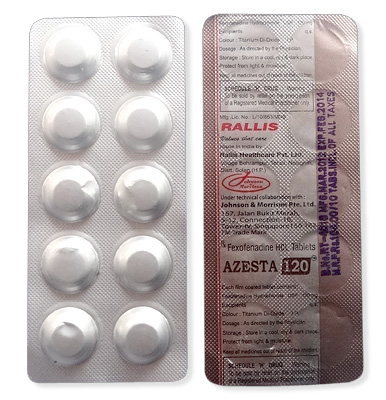
Allegra
- In our pharmacy, you can buy allegra without a prescription (no receipt required), with delivery across Canada and discreet packaging.
- Allegra (fexofenadine) is used for seasonal allergic rhinitis and chronic idiopathic urticaria; it is a non‑sedating, selective peripheral H1‑histamine receptor antagonist that minimally crosses the blood–brain barrier.
- The usual dose is 60 mg twice daily or 120–180 mg once daily for adults (≥12 years); children 6–11 years typically use 30 mg twice daily (suspension/ODT for younger children as indicated).
- Administered orally as film‑coated tablets (30, 60, 120, 180 mg), oral disintegrating tablets (30 mg), or oral suspension (30 mg/5 mL).
- Effect usually begins within about 1 hour after dosing, with symptom relief often noticeable within the first hour.
- Duration of action is generally up to 24 hours for once‑daily doses (lower 60 mg doses may provide about 12 hours of effect when given twice daily).
- Avoid or limit alcohol while taking allegra, as alcohol can increase drowsiness or dizziness in some people.
- The most common side effect is headache.
- Would you like to try allegra without a prescription?
Basic Allegra Information
- INN (International Nonproprietary Name): Fexofenadine (fexofenadine hydrochloride).
- Brand Names Available In Canada (English): Allegra and multiple generics are commonly supplied; specific regional brand variants such as Telfast are used internationally but not specified for Canada.
- ATC Code: R06AX26.
- Forms & Dosages: Film-coated tablets 30 mg, 60 mg, 120 mg and 180 mg; oral disintegrating tablet 30 mg for paediatrics; oral suspension 30 mg/5 ml.
- Manufacturers In Canada (English): Not specified; global manufacturers include Sanofi-Aventis, Medichem, Cipla, Mylan and Sandoz.
- Registration Status In Canada (English): Not specified; confirm product DIN on pack to verify Health Canada registration.
- OTC / Rx Classification: Varies by formulation and market; most 60 mg and 120 mg products are sold OTC in many jurisdictions while some paediatric or higher-dose forms may require a prescription.
Major National Pharmacy Chains (Shoppers Drug Mart, Rexall, London Drugs)
Can Canadians find Allegra on the pharmacy shelf or do they need to ask a pharmacist?
Major national chains in Canada such as Shoppers Drug Mart, Rexall and London Drugs commonly stock fexofenadine tablets in 60 mg and 120 mg OTC packs.
Some stores also carry oral disintegrating tablets (ODT) or oral suspension for children, or will order them on request.
Jean Coutu is a key chain in Quebec where availability mirrors other major chains but labelling and stock can differ by region.
Stock levels fluctuate seasonally during spring and fall allergy peaks, so availability of Allegra 120 mg or Allegra 60 mg may vary by location.
Chain pharmacies also operate online storefronts that list Allegra and generic fexofenadine for pickup or delivery.
Provincial formularies rarely list branded Allegra, though generics may be reimbursed under specific public plans depending on criteria.
When comparing Allegra price Canada at a chain counter, mention the tablet strength and pack size to get an accurate quote.
Online Pharmacy Trends In Canada (Including Provincial Restrictions)
Is buying Allegra online easier than visiting the store?
Licensed Canadian online pharmacies, both chain and independent, offer express purchase and home delivery for Allegra and generics.
Shipping rules differ by province and some strengths or paediatric formulations may still require a prescription in certain provinces.
Online prices can be lower than in-store retail prices but factor in shipping and any dispensing fees when checking Allegra online vs in-store costs.
Cross-border shopping remains common; Canadians sometimes compare prices with U.S. vendors but must consider exchange rates, shipping, and the need for a Health Canada DIN on imported products.
Provincial restrictions affect whether an OTC strength may be sold directly or requires pharmacist assessment at the point of sale.
Order fulfilment times vary by location and carrier, and online pharmacies may offer subscription or bulk-pack discounts for regular allergy sufferers.
Price Ranges By Package Size (With Provincial Differences)
How much does Allegra cost across Canada and how does pack size change the price?
Small blister packs of fexofenadine 60–120 mg (10–20 tablets) typically retail in Canada for about CAD 10–20.
Larger boxes containing 30–60 tablets commonly fall in the CAD 20–40 range depending on brand or generic manufacturer.
Paediatric ODT and oral suspension formulations are often pricier per dose than adult tablets.
Provincial differences arise because public plans such as Ontario Drug Benefit, BC PharmaCare and RAMQ may list generics differently for reimbursement.
Where a province negotiates lower generic pricing or includes a fexofenadine product on formulary, the out-of-pocket cost to eligible patients can be lower.
Online pharmacies frequently undercut in-store prices, but savings may be offset by shipping and dispensing fees when comparing the Allegra price online versus buying in-store.
Cross-border purchases from the U.S. can appear cheaper but watch for non‑DIN products and possible import limits or delays at the border.
In-Store Vs Online Vs Cross-Border Considerations
Should you buy Allegra in person, online from a Canadian pharmacy, or consider a U.S. purchase?
In-store shopping gives immediate availability for common OTC packs and pharmacist counselling at Shoppers Drug Mart, Rexall or London Drugs.
Licensed Canadian online pharmacies offer convenience, discreet delivery and often better bulk pricing for Allegra 120 mg or generics.
Buying from U.S. vendors can reduce nominal cost but introduces risks such as lack of a Canadian DIN, longer shipping, and customs hold-ups.
Always verify a product’s Health Canada DIN when possible to ensure it matches the Canadian-registered formulation and labelling.
For families with children, prioritise Canadian-supplied ODT or suspension to ensure paediatric dosing information is in English (Canada) and aligns with local guidance.
Tip: use loyalty programs, generic substitution and larger pack sizes to lower your per-tablet cost.
Canadian Patient Insights & Satisfaction Levels
Do people in Canada feel Allegra works and what annoys them?
Online forums and review platforms such as Reddit Canada, HealthBoards and other community boards show many users favour Allegra and generic fexofenadine for seasonal allergic rhinitis and chronic hives.
Common praises highlight fast, non-drowsy relief and better daytime functioning compared with first-generation antihistamines.
A frequent patient-reported issue is reduced absorption when fexofenadine is taken with fruit juices such as apple or orange juice.
Some users report variable duration of relief and trial different regimens such as 60 mg twice daily or a single 120 mg or 180 mg dose.
Parents often seek ODT or suspension forms for young children and comment on price sensitivity and provincial coverage differences when comparing Allegra price Canada.
Top pros: non-sedating, effective for nasal symptoms, useful for chronic urticaria.
Top cons: juice interactions, occasional headaches or residual fatigue, and variable cost by pack size and province.
Forum And Review Platforms (Reddit Canada, HealthBoards, AskDocs)
Where do Canadians discuss their experiences with Allegra?
Reddit subforums like r/Canada and r/AllergiesCanada, HealthBoards and pharmacy review pages are common places for sharing efficacy and side-effect reports.
Users often post about dosing strategies, switching between Allegra and alternatives like cetirizine, and how provincial coverage affects affordability.
Patient quotes commonly paraphrased include statements that Allegra “lets me get through the workday without sleepiness” and that “juice messes up the dose.”
Sentiment on these boards tends to be positive for daytime allergy control and mixed regarding cost and paediatric access.
Product Overview & Brand Variants
What exactly is sold in Canada under the name Allegra or as a generic?
The International Nonproprietary Name is fexofenadine, most commonly supplied as fexofenadine hydrochloride.
Allegra is the innovator brand and multiple generics from manufacturers such as Sandoz, Mylan and Cipla may appear in the market depending on supply.
Available forms include film-coated tablets of 30 mg, 60 mg, 120 mg and 180 mg, oral disintegrating tablets (30 mg) and oral suspension 30 mg/5 ml.
In Canada, whether a specific package is OTC or requires a prescription depends on the product labelling and Health Canada registration; the DIN on the pack confirms approval status.
Definition list: INN = fexofenadine; Brand = Allegra or generic fexofenadine; DIN = Drug Identification Number used to verify Health Canada registration.
INN And Brand Names Used In Canada
Is Allegra the only name you will see at the pharmacy?
The active ingredient is listed as fexofenadine HCl on Canadian labels and may be sold under the Allegra brand or as generic fexofenadine from several manufacturers.
International brand names like Telfast exist, but the common searchable and retail names in Canada are Allegra and generic fexofenadine.
Legal Classification Under Health Canada
How does Canada treat Allegra legally and how can you check?
Health Canada classifies drugs by formulation and labelling, which determines OTC or prescription status for a specific pack.
The best way to confirm a product’s legal status in Canada is to check the pack for a DIN and consult Health Canada records or ask your pharmacist.
Remember that importing drugs without a DIN can put you at risk of receiving unapproved products.
Indications In Local Canadian Medical Practice
What do Canadian doctors and pharmacists use fexofenadine for?
Fexofenadine is approved and commonly used for seasonal allergic rhinitis and chronic idiopathic urticaria, reflecting typical Health Canada labelling where a DIN is present.
Clinicians and pharmacists in Canada commonly recommend Allegra for hay fever and as adjunctive treatment for allergic conjunctivitis.
Off-label use occurs for other histamine-mediated pruritic conditions in dermatology and allergy clinics, sometimes using higher supervised doses for refractory urticaria.
Short dose table: Seasonal Allergic Rhinitis Adults/Teens ≥12 = 60 mg twice daily or 120–180 mg once daily.
For Children 6–11 = 30 mg twice daily using ODT or suspension where appropriate.
Approved Uses (Health Canada DIN Context)
Which approved uses appear on product labels in Canada?
Health Canada-authorised products with a DIN will list approved indications on the label, typically seasonal allergic rhinitis and chronic idiopathic urticaria for fexofenadine preparations.
Always match your intended use with the product’s DIN-labelled indications.
Off-Label Patterns In Canadian Healthcare
What off-label uses occur and what precautions apply?
Physicians may try fexofenadine for other pruritic allergic conditions, with dose escalation under supervision for refractory hives, for example using 180 mg daily.
Caution: off-label higher doses should be managed by a prescriber with monitoring for renal function and interactions.
How It Works In The Body
How does fexofenadine stop sneezing and itching without making you sleepy?
Fexofenadine is a selective histamine H1-receptor antagonist that blocks histamine action responsible for sneezing, runny nose, itching and hives.
Because fexofenadine does not cross the blood–brain barrier significantly, sedation is uncommon compared with first‑generation antihistamines.
Pharmacokinetic facts: ATC R06AX26, minimal hepatic metabolism, and elimination is mainly unchanged via the kidneys, so renal dosing considerations apply.
Important interaction: fruit juices such as apple, orange and grapefruit reduce fexofenadine absorption and should be avoided around dosing time.
Layman’s Explanation (Canadian Patient-Friendly Tone)
Think of Allegra as a blocker that stops histamine from causing your symptoms so you can stay alert during the day.
It works quickly for many people and usually won’t cause the drowsiness associated with older allergy pills.
Clinical Detail From Health Canada Resources
Product monographs linked to the product’s DIN give details on half-life, renal elimination and contraindications.
Consult the DIN-linked monograph or ask a pharmacist to confirm exact pharmacokinetic numbers for a specific brand or generic fexofenadine product.
Dosage & Administration
What dose should you take and how should you take it?
Standard adult regimens for seasonal allergic rhinitis and chronic idiopathic urticaria are 60 mg twice daily or 120–180 mg once daily for those aged 12 and up.
Children 6–11 years commonly use 30 mg twice daily, often supplied as ODT or oral suspension for easier dosing.
Administration tips: take tablets with water and avoid fruit juices at dosing time to preserve absorption.
Renal impairment: use the lowest effective dose and monitor renal function rather than automatically reducing for elderly patients.
Missed dose guidance: take when remembered but do not double doses to catch up.
Standard Regimens Per Canadian Guidelines
Follow age-appropriate dosing and check the pack label or DIN-linked monograph for product-specific instructions.
Adjustments By Patient Type (With Canadian Clinical Notes)
No major hepatic dose changes are generally needed because fexofenadine is minimally metabolized hepatically.
In patients with significant renal impairment, dose reduction and closer monitoring are prudent.
Contraindications & Side Effects
Who should avoid fexofenadine and what side effects might occur?
Absolute contraindications include known hypersensitivity to fexofenadine or any excipients listed on the pack.
Relative contraindications include severe renal impairment and a history of cardiac arrhythmia in which caution is advised.
Common side effects reported in product monographs include headache, occasional drowsiness, dizziness, nausea, dry mouth and fatigue.
Rare but serious events such as severe hypersensitivity reactions and angioedema have been reported and should be reported to MedEffect Canada if suspected.
Common (Health Canada-Approved List)
Expect headache and occasional drowsiness as the most commonly reported adverse events.
Rare But Serious (With Canadian Pharmacovigilance Data)
Cardiac arrhythmia reports are exceptional but documented in safety literature; severe allergic reactions require immediate medical attention and reporting.
Comparable Medicines In Canada
Which alternatives are available and how do they compare?
Main alternatives available in Canada include cetirizine, loratadine, desloratadine and levocetirizine.
Cetirizine can be slightly sedating in some people while loratadine is generally non‑sedating but varies in onset.
Desloratadine and levocetirizine offer different potency and half-life profiles and may be preferred depending on tolerance and formulary coverage.
Pharmacies often substitute generics where permitted, but always check the DIN to confirm the registered product.
Alternatives Table (With DIN References)
Drug choices depend on clinical response, side effects, cost and provincial formulary listings.
Pros And Cons List
Pros of alternatives: cost, availability, differing side-effect profiles.
Cons: possible sedation (cetirizine), variable onset, need to trial to find the best fit for an individual.
Current Research & Trends
What does recent research say and where is practice headed?
Studies from 2022–2025 have focused on comparative effectiveness of second‑generation antihistamines and dose optimisation for refractory urticaria.
Canadian allergy clinics contribute real‑world data showing preserved daytime function with non‑sedating agents and improved quality of life for many patients on fexofenadine.
Trends include expanded OTC availability for select formulations, growth of licensed e‑pharmacy purchases, and heightened awareness of the drug–juice interaction that affects absorption.
Supply trends show increased generic listings from manufacturers such as Sandoz and Mylan, improving affordability but making DIN checks important to ensure Health Canada approval.
Major Canadian Or International Studies 2022–2025
Key studies emphasise dose escalation strategies in chronic urticaria and head-to-head effectiveness between second‑generation antihistamines.
Emerging Trends In Practice And Supply
Expect continued e-pharmacy growth, more generics entering the market and greater patient demand for paediatric ODT or suspensions.
Common Patient Questions In Canada
Can I buy Allegra OTC, is it safe for children, will it make me sleepy and what about juice interactions?
Availability varies by province and pack; check your local pharmacy or the pack DIN to confirm whether a specific formulation is OTC in your area.
Children can take fexofenadine using ODT or suspension formulations; the 6–11 year dose is commonly 30 mg twice daily.
Fexofenadine is classified as non‑sedating for most people but individual responses vary and some report residual drowsiness.
Avoid fruit juices at dosing time due to reduced absorption and lower bioavailability.
For chronic urticaria, clinicians may consider higher doses under supervision, and pharmacists can advise on provincial coverage such as Ontario Drug Benefit, BC PharmaCare and RAMQ.
Top Questions (Dose, Safety, Interaction With Juice)
Short pharmacist-style answers help with immediate decisions: use approved paediatric forms for children, avoid juice, monitor renal function, and consult your pharmacist for coverage details.
Regulatory Status
How does Health Canada approve Allegra and why does the DIN matter?
Health Canada reviews safety, efficacy and manufacturing quality before authorizing products for sale and issues a DIN to registered products.
The DIN confirms the formulation, manufacturer and approved labelling, and it is how pharmacists verify product registration and substitution options.
OTC versus prescription status depends on the specific product labelling and Health Canada authorisation.
If buying across borders, ensure a product carries a DIN or follow Health Canada guidance on personal importation to avoid unapproved products.
Health Canada Approval Process
Approval entails an assessment of clinical data, manufacturing standards and labelling; the DIN is assigned after a successful review.
DIN Number Relevance
Look for the DIN on the box or ask the pharmacist to locate the DIN to confirm the product matches Health Canada records.
Visual Recommendations
What visuals help customers decide quickly on a product page?
Use a pack-shot carousel showing branded Allegra and common generics with visible DIN and strength to build trust.
Include a clear dosing chart by age and condition and a short infographic highlighting do’s and don’ts such as avoiding fruit juices at dosing time.
Add provincial quick‑guide badges for Ontario Drug Benefit, BC PharmaCare and RAMQ to signal likely coverage scenarios.
Keep alt text descriptive and show the mechanism-of-action graphic that labels Allegra as non‑drowsy to support E‑E‑A‑T.
Infographic Ideas For Canadian Context
Suggested graphics include dosing timelines, storage tips for Canadian climates and a delivery timeline visual for provinces.
Product Page Visual Blocks (Pack Shots, Dosing Charts)
Include visible DIN callouts on pack shots and a small fact box with pharmacokinetic highlights such as renal elimination and juice interaction.
Buying & Storage Advice; Guidelines For Proper Use
Where to buy, how to store and what to ask the pharmacist.
Prefer products with a Canadian DIN and compare prices between in-store chains like Shoppers Drug Mart, Rexall and London Drugs and licensed Canadian online pharmacies.
For paediatric strengths or Rx-only formulations in your province, consult a prescriber before purchasing.
Store Allegra in the original packaging at 20–25°C (68–77°F) away from moisture and light, and protect it from freezing during Canadian winter transport.
Oral suspensions may require refrigeration after opening depending on the manufacturer’s instructions.
In our online pharmacy, Allegra is available without a prescription, with discreet delivery to Canada (English) in 5-14 days.
Start at the recommended dose, avoid fruit juices at dosing time and report suspected adverse events to MedEffect Canada.
In-Store Vs Online Canadian Purchase Tips
Checklist: check DIN, compare total price including shipping, confirm paediatric dosage form, and ask about loyalty discounts or generics.
Proper Storage With Canadian Climate Considerations & Doctor/Pharmacist Advice
During cold months, prevent freezing by choosing courier options that avoid outdoor exposure and follow storage instructions after delivery.
Delivery Across Canada (English)
| City | Region | Delivery Time |
|---|---|---|
| Toronto | Ontario | 5-7 days |
| Montreal | Quebec | 5-7 days |
| Vancouver | British Columbia | 5-7 days |
| Calgary | Alberta | 5-7 days |
| Edmonton | Alberta | 5-7 days |
| Ottawa | Ontario | 5-7 days |
| Winnipeg | Manitoba | 5-7 days |
| Halifax | Nova Scotia | 5-9 days |
| Victoria | British Columbia | 5-9 days |
| Saskatoon | Saskatchewan | 5-9 days |
| Regina | Saskatchewan | 5-9 days |
| London | Ontario | 5-7 days |
| Hamilton | Ontario | 5-7 days |
| St. John's | Newfoundland and Labrador | 5-9 days |
| Kitchener | Ontario | 5-7 days |