Allergies occur when your immune system reacts to a foreign substance that's typically harmless to most people. These substances, called allergens, can trigger sneezing, itching, swelling, and other uncomfortable symptoms. Antiallergic medications work by reducing your body's allergic response, providing relief from various allergy symptoms. Common triggers include pollen, dust mites, pet dander, mold, and certain foods.
When you experience an allergic reaction, your body releases histamine, a chemical that causes inflammation and itching. Antiallergic drugs help by either blocking histamine production or preventing its effects on your body. Understanding how these medications work can help you choose the right treatment for your specific needs. Many Canadians suffer from seasonal or year-round allergies, making antiallergic medications an essential part of their healthcare routine.
These medications come in various forms, including tablets, nasal sprays, and eye drops, allowing you to select the option that works best for your lifestyle. It's important to consult with a pharmacist or doctor to determine which antiallergic medication is most suitable for your particular allergy symptoms and medical history.
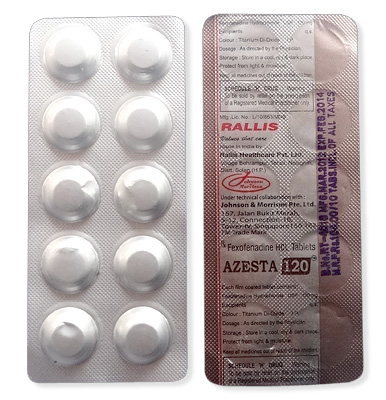
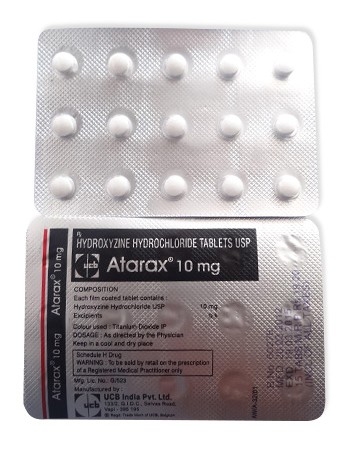
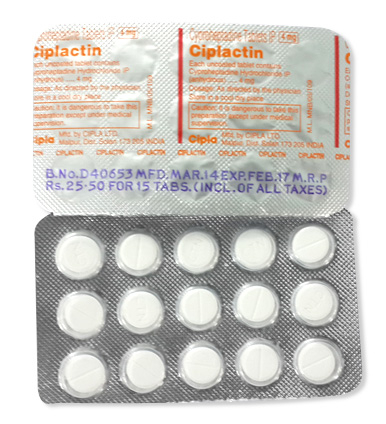
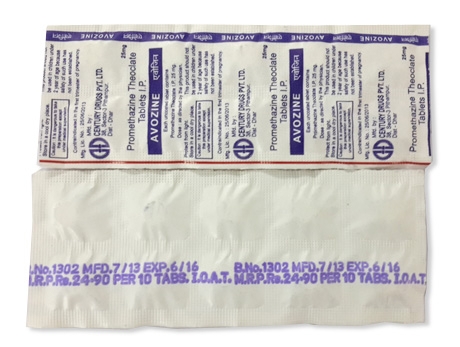
Antihistamines are among the most commonly used antiallergic medications available in Canada. They work by blocking histamine receptors, preventing the chemical from triggering allergic symptoms. There are two main types: first-generation and second-generation antihistamines. First-generation antihistamines, such as diphenhydramine, can cause drowsiness and are often used for nighttime relief. Second-generation antihistamines like cetirizine, loratadine, and fexofenadine are non-drowsy options ideal for daytime use.
Popular brands available in Canadian pharmacies include Reactine, which contains cetirizine, and Claritin, containing loratadine. These medications are effective for treating sneezing, runny nose, itchy eyes, and general allergy discomfort. Antihistamines typically start working within thirty minutes to one hour, providing quick relief from acute allergy symptoms.
Many antihistamines are available over-the-counter without a prescription, making them accessible and convenient for most people. You can purchase them in various formulations, including regular tablets, dissolving tablets, and extended-release versions that provide all-day relief. Some antihistamines are also available in liquid form for children or those who have difficulty swallowing pills. It's important to follow the recommended dosage and not exceed the suggested daily amount to avoid potential side effects.
Nasal sprays offer targeted relief for congestion and nasal allergy symptoms. Corticosteroid nasal sprays, such as fluticasone and mometasone, reduce inflammation in the nasal passages and are highly effective for allergic rhinitis. These sprays work locally in your nose, minimizing systemic effects and side effects. Popular Canadian brands include Flonase and Nasonex, both available over-the-counter or by prescription depending on the strength.
Antihistamine nasal sprays provide another option for those seeking localized relief. Decongestant nasal sprays offer immediate temporary relief from congestion but should only be used for short periods, typically three to five days, to avoid rebound congestion. Many combination products are available in Canadian pharmacies, featuring both antihistamine and decongestant properties in a single spray.
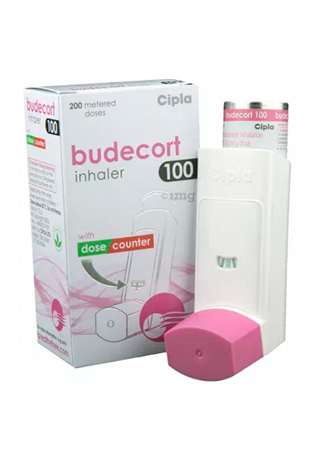
Nasal sprays are particularly useful for people who prefer not to take oral medications or who need rapid symptom relief. They're especially beneficial during allergy season when nasal congestion becomes severe. Using a nasal spray correctly ensures maximum effectiveness, so following the product instructions carefully is essential. Some sprays require priming before first use, and you should never share nasal sprays with other people to prevent cross-contamination and infection.
Allergic reactions often affect the eyes, causing itching, redness, and watering. Antiallergic eye drops provide targeted relief directly where symptoms occur. These drops contain antihistamines or mast cell stabilizers that reduce eye irritation quickly. Zaditor and Visine are popular over-the-counter eye drop brands available throughout Canada. Mast cell stabilizer eye drops work preventatively, making them ideal for people who know they'll be exposed to allergens.
When using eye drops, it's important to follow proper application techniques to ensure the medication reaches your eye effectively. Never touch the dropper tip to your eye or other surfaces to maintain sterility. Topical creams and ointments are available for skin allergies, hives, and eczema-related itching. These products often contain hydrocortisone or antihistamines that soothe inflamed skin. They're particularly useful for localized reactions to insect bites, contact dermatitis, or food-related skin manifestations. Calamine lotion remains a popular choice for minor skin irritation and itching.
Many people find that combining topical treatments with oral antihistamines provides comprehensive allergy relief. When applying topical treatments, ensure the skin is clean and dry for optimal absorption and effectiveness.
For people with severe or persistent allergies that don't respond to over-the-counter medications, prescription antiallergic options are available. Montelukast, marketed as Singulair in Canada, is a leukotriene receptor antagonist that works differently from antihistamines. It's particularly effective for allergic asthma and severe seasonal allergies. Prescription antihistamines like desloratadine offer stronger formulations than their over-the-counter counterparts.
Intranasal corticosteroids like ciclesonide provide powerful inflammation reduction for moderate to severe nasal allergies. Your doctor may recommend these prescription options if your symptoms significantly impact your daily life or quality of sleep. Immunotherapy, or allergy shots, represents another prescription-based approach for people with specific allergen sensitivities. This treatment involves gradually introducing small amounts of allergens to build tolerance over time. While requiring a commitment of several years, immunotherapy can provide long-term relief and potentially reduce symptom severity permanently.
Omalizumab is a specialized injectable medication for severe allergic reactions and allergic asthma. Your healthcare provider will evaluate your specific allergy profile and medical history to determine if prescription medications are appropriate for your situation.
Selecting the appropriate antiallergic medication depends on your specific symptoms, lifestyle, and medical history. If you experience mostly nasal congestion, a nasal spray might be your best option. For general systemic symptoms, oral antihistamines offer convenient all-day relief. People with eye involvement should consider antiallergic eye drops as part of their treatment plan.
When shopping at Canadian pharmacies, always inform the pharmacist about any other medications you're taking to avoid potential interactions. Here are important considerations for safe antiallergic use:
Regular consultation with pharmacists ensures you're using the most effective and safe antiallergic regimen for your needs. Your pharmacist can provide personalized recommendations based on your unique situation and help you navigate the wide variety of antiallergic products available across Canada.