Weight loss medications are prescription and over-the-counter products designed to help reduce body weight by suppressing appetite, increasing metabolism, or reducing fat absorption. These medications work through different mechanisms and are typically recommended as part of a comprehensive weight management program that includes diet and exercise.
Weight loss drugs function by targeting specific areas of your body's weight regulation system. Some medications act on the brain's appetite control centres, reducing hunger signals and helping you eat less. Others work by increasing the amount of energy your body burns throughout the day. Certain medications prevent your digestive system from absorbing all the fat you consume, which reduces overall calorie intake. Most weight loss medications are most effective when combined with lifestyle changes including regular physical activity and a balanced diet.
Health professionals typically recommend weight loss medications when diet and exercise alone haven't produced sufficient results, or when weight-related health conditions like diabetes, heart disease, or high blood pressure are present. Your doctor may suggest medication if your Body Mass Index (BMI) is 30 or higher, or 27 or higher if you have weight-related health conditions.
GLP-1 receptor agonists represent one of the most popular categories of weight loss medications available in Canada. Originally developed for type 2 diabetes management, these medications have shown remarkable effectiveness for weight reduction.
Ozempic (semaglutide) and Saxenda (liraglutide) are the primary GLP-1 medications available through Canadian pharmacies for weight management. Ozempic is primarily used for diabetes but is increasingly prescribed off-label for weight loss due to its effectiveness. Saxenda is specifically approved for chronic weight management in Canada. Wegovy (semaglutide) represents another option that may be available through special access programs. These medications are administered as weekly injections that you can self-inject at home.
GLP-1 medications mimic a natural hormone that regulates blood sugar and appetite. They slow gastric emptying, making you feel fuller for longer periods. These drugs also reduce cravings and help regulate blood sugar levels, which can prevent energy crashes that often lead to overeating. Many patients report decreased interest in food and reduced appetite within days of starting treatment.
Users of GLP-1 medications typically experience weight loss of 5 to 15 percent of their body weight over several months. Results vary depending on individual factors, medication dosage, and adherence to lifestyle changes. Many patients notice benefits beyond weight loss, including improved blood sugar control and reduced risk of heart disease.
Orlistat is one of the most accessible weight loss options in Canada, available both by prescription and over-the-counter without requiring a doctor's visit.
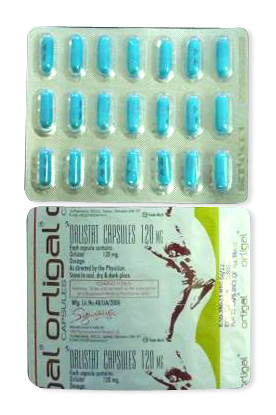
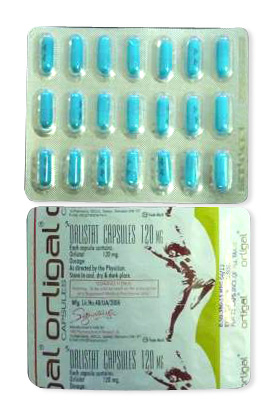
Orlistat is a lipase inhibitor that works in your digestive system rather than affecting your brain or metabolism. It prevents your body from absorbing approximately 30 percent of the fat you consume. The unabsorbed fat is then eliminated naturally through bowel movements. This mechanism makes it a localized treatment that doesn't enter the bloodstream significantly.
Xenical is the prescription-strength version containing 120 mg of orlistat per capsule. Alli is the over-the-counter version available in most Canadian pharmacies, containing 60 mg per capsule. Both are taken with meals, typically three times daily. The over-the-counter option makes this accessible for people who want to begin weight management without an initial doctor's appointment.
Orlistat requires dietary modifications to be effective and tolerable. A low-fat diet is essential since consuming high-fat foods can cause unpleasant digestive side effects. This medication suits people who prefer a non-systemic approach and want to avoid pharmaceutical effects on appetite hormones. It's particularly useful for individuals who have difficulty controlling portion sizes or managing fat intake.
Beyond GLP-1 medications and orlistat, several other prescription options are available through Canadian healthcare providers.
Phentermine is a stimulant medication that suppresses appetite by affecting the central nervous system. It's typically prescribed for short-term use, usually 12 weeks or less. Phentermine works by increasing neurotransmitters that reduce hunger signals. It's suitable for people without heart conditions or certain other health concerns. The medication is taken orally once or twice daily, and most patients notice appetite reduction within days.
Contrave is a combination medication available in Canada that pairs naltrexone with bupropion. This combination targets multiple areas of the brain involved in appetite regulation and energy expenditure. The medication is taken as oral tablets and requires gradual dose escalation over the first weeks of treatment. Studies show patients typically lose 5 to 10 percent of body weight over one year.
While primarily an anticonvulsant medication, topiramate is sometimes prescribed off-label for weight loss. It may increase feelings of fullness and reduce cravings. This option is typically considered when other medications haven't been suitable or effective.
Many Canadians prefer exploring natural alternatives alongside or before prescription medications. Numerous over-the-counter supplements claim weight loss benefits, though results vary considerably.
Several natural products are available in Canadian health stores and pharmacies:
Natural products aren't automatically safe simply because they're derived from plants or natural sources. Effectiveness varies significantly between individuals, and many herbal products lack robust scientific evidence. It's essential to discuss any natural products with your healthcare provider, particularly if you're taking prescription medications or have existing health conditions. Quality and purity standards also vary between manufacturers.
Weight loss medications are most effective when combined with comprehensive lifestyle changes and ongoing support.
Successful weight management requires sustainable dietary changes rather than temporary restrictive diets. Focus on whole foods including vegetables, lean proteins, and complex carbohydrates. Reduce processed foods, sugary beverages, and excessive snacking. Portion control becomes easier when taking appetite-suppressing medications, allowing you to practice mindful eating habits.
Regular physical activity enhances medication effectiveness and provides numerous health benefits beyond weight loss. Aim for 150 minutes of moderate aerobic activity weekly, combined with resistance training. Exercise improves cardiovascular health, increases muscle mass, and helps maintain weight loss long-term.
Regular check-ins with your healthcare provider ensure medications remain effective and safe for your individual situation. Blood pressure, blood sugar, and cholesterol levels may require monitoring depending on which medication you're taking. Your doctor can adjust dosages or recommend alternative options if needed. Many medications require periodic reassessment to ensure continued appropriateness for your health status.
Weight loss often involves addressing emotional eating and psychological relationships with food. Counselling, support groups, or cognitive behavioural therapy can provide valuable tools for sustainable success. Many Canadian communities offer weight management programs combining professional guidance with peer support.