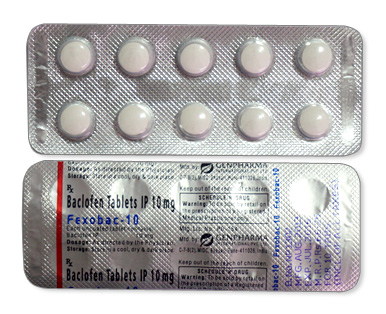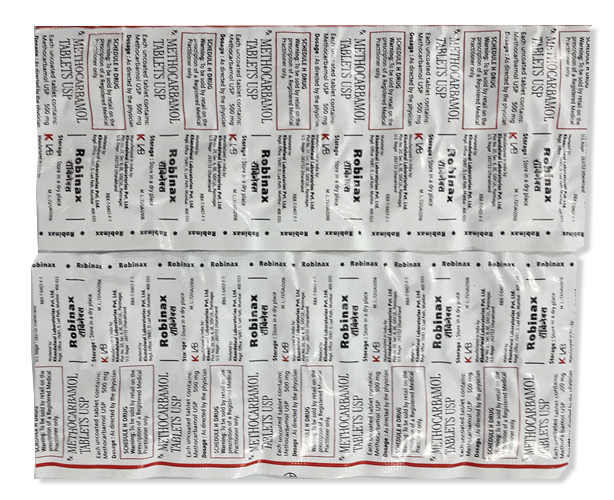
Muscle relaxants are medications designed to reduce muscle tension, stiffness, and spasms. These drugs work by affecting the central nervous system or directly targeting muscle tissue to provide relief from discomfort and improve mobility. They are commonly prescribed for acute injuries, chronic conditions, and post-surgical recovery. Understanding how these medications function helps patients make informed decisions about their treatment options.
Muscle relaxants can be categorized into two main groups: those that act on the central nervous system and those that work directly on muscle tissue. The choice of medication depends on the specific condition, severity of symptoms, and individual patient factors. These medications are particularly effective for musculoskeletal conditions that cause significant pain and limit daily activities.
Muscle relaxants are prescribed for various conditions affecting the musculoskeletal system. Back pain, whether acute or chronic, is one of the most common reasons patients receive these medications. Neck pain and whiplash injuries often benefit from muscle relaxant therapy. Sports injuries, including muscle strains and sprains, frequently require these medications for pain management and recovery.
Post-surgical pain and stiffness are effectively managed with muscle relaxants following procedures. Multiple sclerosis patients often use these medications to manage spasticity and muscle rigidity. Cerebral palsy sufferers may receive muscle relaxants to improve mobility and reduce muscle tension. Fibromyalgia, characterized by widespread muscle pain and fatigue, sometimes responds well to these medications. Tension headaches caused by muscle tightness in the neck and shoulders can be alleviated with appropriate muscle relaxant treatment. Tennis elbow, frozen shoulder, and other repetitive strain injuries are commonly treated with these medications to reduce inflammation and discomfort.
Several muscle relaxants are approved and available for Canadian patients. Each medication has unique characteristics, benefits, and potential side effects. Your healthcare provider will recommend the most suitable option based on your specific condition and medical history.
Proper dosing of muscle relaxants is crucial for achieving optimal results while minimizing side effects. Most muscle relaxants are taken orally in tablet or capsule form, typically two to three times daily. Initial doses are usually lower, with potential adjustments based on patient response and tolerance.
Treatment duration is often limited to two to three weeks for acute conditions, as these medications are generally intended for short-term use. For chronic conditions, healthcare providers may recommend longer-term therapy with regular monitoring. It is essential to follow your healthcare provider's instructions precisely regarding dosage and frequency. Taking more than the prescribed dose can lead to serious side effects and complications.
Muscle relaxants should be taken at consistent times each day for best results. If you forget a dose, skip it and resume your regular schedule rather than doubling up. Some muscle relaxants may be taken with or without food, depending on the specific medication. Always consult your pharmacist if you have questions about proper administration or if you experience any unusual symptoms.
While muscle relaxants are generally safe when used as prescribed, they can cause side effects in some patients. Drowsiness and dizziness are the most commonly reported side effects, affecting alertness and coordination. Headaches, dry mouth, and nausea may occur in some individuals taking these medications. Blurred vision is another possible side effect that may affect daily activities.
More serious but less common side effects include liver problems, particularly with certain medications like chlorzoxazone. Allergic reactions, though rare, may include rash, itching, or difficulty breathing. Some muscle relaxants can cause dependency or tolerance with prolonged use, which is why short-term therapy is typically recommended.
Certain populations, including pregnant women, elderly patients, and those with liver or kidney problems, require special consideration and monitoring. Drug interactions are possible when muscle relaxants are combined with other medications, particularly CNS depressants like alcohol or sedatives. Never drive or operate machinery after taking muscle relaxants until you understand how they affect you. Always inform your healthcare provider of other medications and supplements you are taking.
To maximize the benefits of muscle relaxant therapy, combine medication with other treatment approaches. Physical therapy and stretching exercises often enhance the effectiveness of muscle relaxants. Applying heat or cold therapy to affected areas can provide additional relief alongside medication. Maintaining proper posture and ergonomic practices helps prevent muscle strain and discomfort.
Regular exercise and strengthening activities support long-term musculoskeletal health. Stress management techniques such as meditation or yoga can reduce muscle tension naturally. Adequate sleep and rest are essential for muscle recovery and overall health. Stay hydrated by drinking plenty of water throughout the day. Avoid prolonged periods of inactivity, as movement helps maintain muscle flexibility and strength.
Report any persistent or worsening symptoms to your healthcare provider promptly. Keep all scheduled appointments with your healthcare provider for monitoring and progress assessment. Store muscle relaxants in a cool, dry place away from children and pets. Do not share your medication with others, even if they have similar symptoms. Dispose of expired or unused medications according to pharmacy guidelines rather than throwing them in the trash.