Depression is one of the most common mental health conditions affecting Canadians today. It involves persistent feelings of sadness, hopelessness, and a loss of interest in activities that once brought joy. Depression can range from mild to severe and may significantly impact daily functioning, work performance, and relationships. Many Canadians experience depression at some point in their lives, and recognising the symptoms is an important first step toward recovery.
Depression medications are prescribed to help balance neurotransmitters in the brain, particularly serotonin and norepinephrine, which play crucial roles in mood regulation. Treatment helps reduce symptoms and allows individuals to engage more fully in their lives. By restoring chemical balance, these medications can lift the heavy fog that often accompanies depression and help restore a sense of normalcy and enjoyment in daily activities.
Several classes of antidepressants are widely available through Canadian pharmacies. SSRIs (Selective Serotonin Reuptake Inhibitors) like sertraline, fluoxetine, and citalopram are among the most prescribed. SNRIs such as venlafaxine and duloxetine are also popular choices. Tricyclic antidepressants and newer medications like bupropion offer alternative options for those who don't respond to first-line treatments.
Depression often requires a combination of medication and therapy for best results. It's important to work closely with a healthcare provider, as finding the right medication and dosage can take time. Regular monitoring ensures the treatment remains effective and side effects are managed appropriately. Many Canadians find that combining pharmaceutical treatment with counselling, exercise, and lifestyle modifications produces the most positive outcomes.
Anxiety disorders encompass various conditions where individuals experience excessive worry, fear, or panic that interferes with daily life. These include generalised anxiety disorder, social anxiety, panic disorder, and specific phobias. Anxiety is a natural response to stress, but anxiety disorders involve persistent and often irrational fear responses that can severely limit a person's quality of life and social functioning.
Anti-anxiety medications work to calm the nervous system and reduce the physical and emotional symptoms of anxiety. They help individuals feel more relaxed and able to function in situations that previously triggered anxiety responses. These medications can be used short-term during acute anxiety episodes or long-term for chronic conditions, providing relief and improving overall well-being.
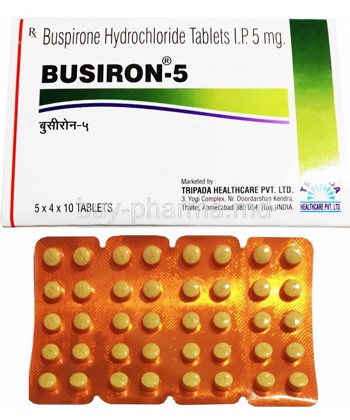
SSRIs like paroxetine and sertraline are commonly prescribed for anxiety disorders. Benzodiazepines such as lorazepam and clonazepam provide rapid relief but are typically used short-term due to dependency risks. Buspirone offers an alternative for generalised anxiety without the dependency concerns. Beta-blockers may be used to manage physical anxiety symptoms like trembling or rapid heartbeat.
Anxiety disorders often benefit from cognitive behavioural therapy alongside medication. Lifestyle modifications including exercise, meditation, and stress management techniques complement pharmaceutical treatment. Canadian healthcare providers typically start with the lowest effective dose and monitor closely for any adverse effects or dependency issues. This cautious approach ensures patients receive maximum benefit with minimal risk.
Bipolar disorder is characterised by dramatic shifts in mood, energy, and activity levels. Individuals experience episodes of mania or hypomania (elevated mood) alternating with periods of depression. These mood swings are more extreme than typical emotional fluctuations and can severely impact relationships, work, and overall quality of life. Early recognition and treatment are essential for managing this condition effectively.
Mood stabilisers are the cornerstone of bipolar disorder treatment. These medications help prevent extreme mood swings, reduce the severity of manic and depressive episodes, and maintain emotional stability. They allow individuals to maintain more consistent functioning and reduce the risk of relapse, enabling a more predictable and manageable life.
Lithium remains a gold-standard medication for bipolar disorder and is widely available in Canadian pharmacies. Anticonvulsants like valproic acid and lamotrigine are effective alternatives. Atypical antipsychotics such as quetiapine, aripiprazole, and lurasidone are increasingly prescribed, especially for acute mania. Many Canadians use combination therapy involving mood stabilisers with additional medications to address specific symptoms.
Bipolar disorder requires long-term management and regular monitoring. Blood tests may be necessary to ensure medication levels remain therapeutic. It's crucial for individuals with bipolar disorder to maintain consistent sleep schedules and avoid triggers that might precipitate mood episodes. Therapy and support groups play important complementary roles in managing this complex condition.
ADHD is a neurodevelopmental disorder affecting both children and adults. It involves difficulties with attention, impulse control, and sometimes hyperactivity. People with ADHD often struggle with organisation, time management, and maintaining focus on tasks, which can impact academic performance, career success, and social relationships.
ADHD medications enhance concentration and impulse control by increasing the availability of neurotransmitters like dopamine and norepinephrine in the brain. This improved neurotransmitter activity helps individuals focus better, complete tasks more effectively, and regulate their behaviour. Medications can dramatically improve quality of life and functioning for those with ADHD.
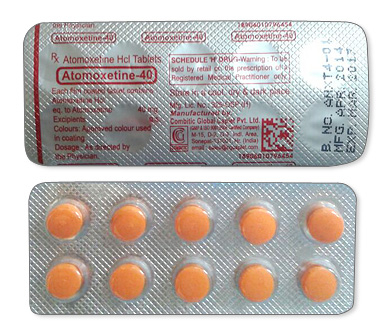
Stimulant medications including methylphenidate (Ritalin, Concerta) and amphetamine-based products (Adderall XR, Vyvanse) are commonly prescribed in Canada. Non-stimulant options like atomoxetine and guanfacine provide alternatives for those who cannot take stimulants. Extended-release formulations allow for once-daily dosing, improving compliance and convenience for patients managing their condition.
ADHD treatment typically combines medication with behavioural strategies and educational support. Regular follow-up appointments help ensure the medication remains effective and dosage adjustments are made as needed. Healthcare providers in Canada carefully screen for cardiovascular issues before prescribing stimulants. Lifestyle factors including adequate sleep, exercise, and nutrition support medication effectiveness.
Schizophrenia and related psychotic disorders involve disruptions in thought processes, perception of reality, and emotional responsiveness. Symptoms include hallucinations, delusions, disorganised speech and behaviour, and reduced emotional expression. These conditions can be severely disabling if left untreated but respond well to appropriate medication management.
Antipsychotic medications reduce psychotic symptoms by modulating dopamine and serotonin activity in the brain. They help individuals distinguish between reality and hallucinations or delusions, restore clear thinking, and improve functioning. These medications are essential for managing acute episodes and preventing relapse, allowing individuals to reconnect with reality and rebuild their lives.
First-generation antipsychotics like haloperidol remain available but are less commonly used due to side effects. Second-generation antipsychotics such as risperidone, olanzapine, quetiapine, and aripiprazole are preferred choices in Canadian practice. Newer options like lurasidone and paliperidone provide additional alternatives. Many patients benefit from long-acting injectable formulations that improve medication adherence.
Schizophrenia management requires consistent medication use and regular psychiatric supervision. Psychosocial support including therapy, vocational training, and community resources are crucial components of comprehensive treatment. Side effects require careful monitoring and management. Many Canadians with schizophrenia achieve significant symptom control and improved quality of life with appropriate treatment adherence.
Obsessive-Compulsive Disorder involves unwanted intrusive thoughts (obsessions) and repetitive behaviours or mental acts (compulsions) performed to reduce anxiety. These patterns can consume hours daily and significantly interfere with work, school, and personal relationships. OCD is more than being organised or particular; it causes genuine distress and impairment requiring professional treatment.
Medications for OCD work primarily by increasing serotonin availability in brain circuits involved in obsessive-compulsive symptoms. This neurochemical adjustment helps reduce the intensity of obsessive thoughts and the compulsive urge to perform rituals. Treatment allows individuals to resist compulsions more successfully and experience less anxiety.
SSRIs are the first-line pharmacological treatment for OCD in Canada. Common options include:
Higher doses are often required for OCD compared to depression treatment. When SSRIs prove insufficient, augmentation with other medications or switching to alternative agents may be necessary. Some individuals benefit from clomipramine, a tricyclic antidepressant particularly effective for OCD.
OCD responds best to combined treatment involving medication and cognitive-behavioural therapy, particularly exposure and response prevention techniques. Treatment often requires patience as symptom improvement may take several weeks or months. Regular communication with healthcare providers about medication effectiveness and side effects ensures optimal outcomes. Canadian mental health specialists emphasise personalised treatment approaches for this complex disorder.