Hormones are chemical messengers that regulate many vital functions in your body. They control metabolism, growth, reproduction, mood, and energy levels. These powerful substances are produced by various glands including the pituitary, thyroid, adrenal, and reproductive glands. When hormone levels become imbalanced, it can lead to various health conditions that may require medical treatment.
Hormone replacement therapy and other hormonal medications help restore balance and improve quality of life. Understanding how hormones work is essential for managing conditions related to hormonal imbalance. Many Canadians seek hormonal treatments to address symptoms ranging from menopause to thyroid disorders. Proper diagnosis and medication management are crucial for achieving optimal health outcomes.
Menopause is a natural life stage where hormone production decreases significantly. Women often experience hot flashes, night sweats, mood changes, and sleep disturbances. Hormone replacement therapy (HRT) helps alleviate these uncomfortable symptoms by supplementing estrogen and progesterone.
Several medications are available in Canada to help manage menopausal symptoms:
Healthcare providers help determine the most appropriate HRT regimen based on individual health profiles and symptom severity. Regular monitoring ensures the treatment remains effective and safe for long-term use.
The thyroid gland produces hormones essential for regulating metabolism and energy production. Hypothyroidism occurs when the thyroid cannot produce sufficient hormones, causing fatigue, weight gain, and depression.
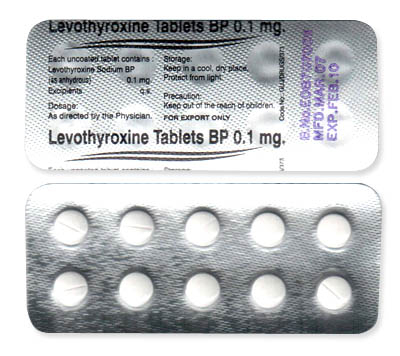
Levothyroxine is the most commonly prescribed thyroid medication in Canada. This synthetic thyroid hormone replaces what your body cannot produce naturally. Brand names like Synthroid and Eltroxin are readily available at Canadian pharmacies. Dosage varies based on individual needs and regular blood tests help determine proper levels.
Liothyronine is another thyroid medication prescribed when levothyroxine alone is insufficient. Some patients benefit from combination therapy using both T4 and T3 hormones. Proper timing of thyroid medication intake ensures maximum absorption and effectiveness. Most thyroid medications should be taken on an empty stomach early in the morning. Regular monitoring through TSH blood tests ensures your dose remains appropriate as needs change over time.
Reproductive hormones regulate fertility, sexual function, and secondary sexual characteristics. Oral contraceptives contain combinations of estrogen and progestin that prevent pregnancy while regulating menstrual cycles.
Popular birth control brands available in Canada include:
These medications also help manage endometriosis and polycystic ovary syndrome (PCOS). Progestin-only pills offer an alternative for women who cannot take estrogen-containing products. Hormonal intrauterine devices like Mirena release progestin directly into the uterus for long-term contraception and symptom management.
Testosterone replacement therapy helps men with low testosterone levels improve energy and sexual function. Testosterone gels, patches, and injections provide different delivery options based on patient preference. Women sometimes receive low-dose testosterone to enhance sexual desire and mood. Estrogen and testosterone combinations may be prescribed for specific hormonal conditions. These medications require careful monitoring and regular follow-up appointments with healthcare providers.
The adrenal glands produce cortisol and other hormones crucial for managing stress and inflammation. Corticosteroid medications like prednisone and dexamethasone suppress inflammation and immune responses. These powerful hormones treat conditions including rheumatoid arthritis, asthma, and autoimmune disorders.
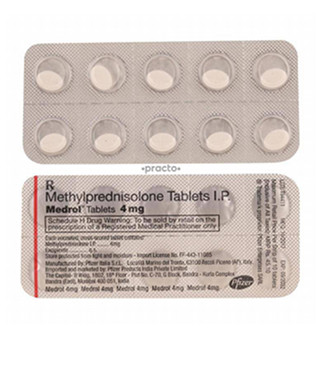
Hydrocortisone provides gentle adrenal support for patients with Addison's disease. Methylprednisolone is prescribed for severe inflammatory conditions and acute flare-ups. Canadian pharmacies stock various corticosteroid strengths and formulations to meet different treatment needs.
Short-term corticosteroid use effectively manages acute inflammation and allergic reactions. Long-term use requires careful monitoring due to potential side effects. Regular blood work ensures your body handles corticosteroids safely during extended treatment. Healthcare providers adjust dosages based on your condition's response and overall health status.
Beyond the main categories, several other hormonal medications address specific health conditions across Canada:
Each hormonal medication requires personalized dosing and monitoring schedules. Your pharmacist and doctor work together ensuring you receive proper education about your specific medications. Regular check-ups help adjust treatments as your body's needs evolve. Canadian healthcare professionals provide comprehensive support for all hormonal condition management throughout your treatment journey.