Hair loss, medically known as alopecia, affects millions of Canadians and can occur due to various reasons including genetics, hormonal changes, stress, nutritional deficiencies, and medical conditions. The condition can manifest as gradual thinning, receding hairline, or sudden hair shedding. Understanding the root cause of your hair loss is essential before starting any treatment plan.
Common types of hair loss include androgenetic alopecia (male and female pattern baldness), telogen effluvium (temporary shedding), and alopecia areata (patchy hair loss). Each type requires a different approach to treatment, and what works for one person may not be effective for another. If you're experiencing significant hair loss, consulting with a healthcare professional can help identify the underlying cause and determine the most appropriate treatment option for your specific situation.
Several prescription and over-the-counter medications are available to Canadian consumers for treating hair loss. The selection of treatments has expanded significantly in recent years, giving patients more options to choose from based on their individual needs and preferences.
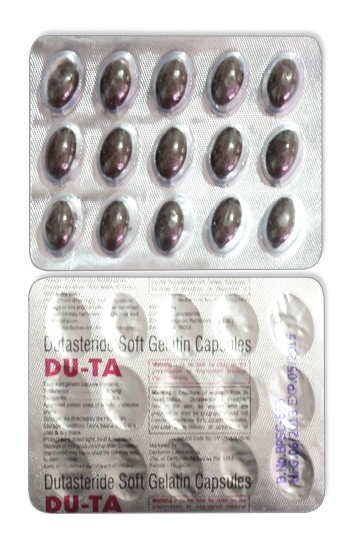
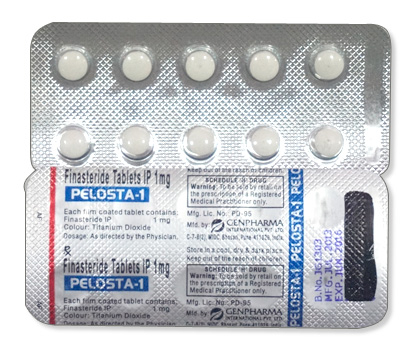
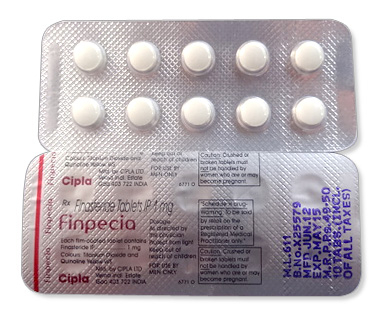
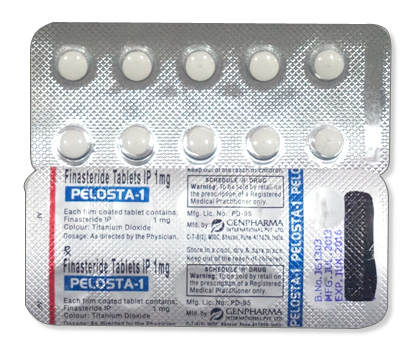
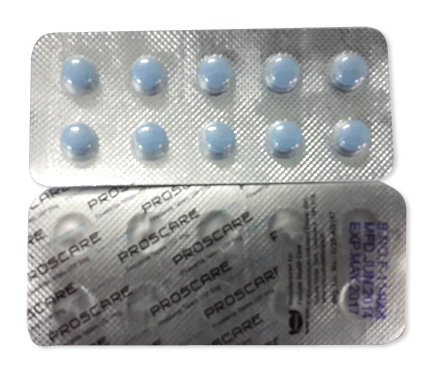
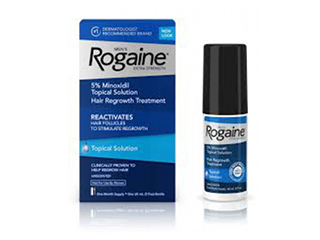
Minoxidil, marketed under the brand name Rogaine in Canada, is a topical solution available without a prescription that helps stimulate hair regrowth. It's applied directly to the scalp and is effective for both men and women. Finasteride, sold as Propecia in Canada, is a prescription medication specifically designed for men experiencing male pattern baldness. This oral medication works by reducing DHT levels in the scalp. Dutasteride is another prescription option that's more potent than finasteride and may provide enhanced results for some patients.
For those experiencing temporary hair loss, biotin supplements and iron supplements are available over-the-counter and may help support hair health. Canadian pharmacies also stock various shampoos and conditioners formulated with ingredients like ketoconazole and pyrithione zinc designed to reduce hair loss and support scalp health.
Topical treatments for hair loss are popular because they're easy to apply and don't require a prescription in many cases. Minoxidil solutions and foams are the most widely available topical options in Canadian pharmacies, with concentrations typically ranging from 2% to 5% for men and 2% for women.
These products stimulate hair follicles and increase blood flow to the scalp, potentially promoting regrowth within several months of consistent use. Benefits of topical treatments include minimal systemic side effects, ease of application, and visible results for many users. Canadian pharmacists recommend applying these treatments consistently for at least three to six months to see meaningful results.
Additionally, topical treatments can be combined with other therapies for enhanced effectiveness. Some users report that maintaining a consistent routine and keeping the scalp clean improves treatment outcomes significantly. The key to success with topical treatments is developing a habit of daily application and being patient as the treatment takes effect.
Oral medications offer a different approach to treating hair loss and are increasingly popular among Canadian patients. Finasteride and Dutasteride are prescription oral medications that work by inhibiting the enzyme responsible for converting testosterone to DHT, the hormone linked to male pattern baldness. These medications require a doctor's prescription and regular monitoring to ensure safety and effectiveness.
For those seeking non-prescription options, hair growth supplements containing ingredients like biotin, saw palmetto, and vitamins are widely available in Canadian pharmacies. Consider the following popular supplements:
Always consult a pharmacist or doctor before starting any oral medication or supplement regimen to ensure compatibility with your existing health conditions and medications.
Many Canadian healthcare professionals recommend combining multiple treatments for optimal hair loss management. A typical combination might include topical minoxidil applied twice daily along with a biotin supplement and targeted hair care products. Some patients benefit from using oral finasteride or dutasteride alongside topical minoxidil, as these medications work through different mechanisms and can complement each other.
Combination therapies often show better results than single treatments, particularly for moderate to severe hair loss. Canadian dermatologists frequently recommend personalized treatment plans based on the type and severity of hair loss, overall health, and patient preferences. It's important to give combination therapies adequate time to work, typically six months to one year, before evaluating effectiveness.
Regular follow-ups with your healthcare provider ensure that your treatment plan remains appropriate and allows for adjustments if needed. Patience and consistency are key to successful hair loss management. Your pharmacist can also provide valuable guidance on how to use multiple treatments together without experiencing adverse interactions or side effects.
While using hair loss treatments, supporting overall scalp and hair health through lifestyle changes can enhance results significantly. Maintaining a balanced diet rich in protein, iron, zinc, and B-vitamins provides essential nutrients for hair growth. These nutrients fuel the hair growth cycle and support the production of healthy new hair.
Regular scalp massages improve blood circulation to hair follicles, potentially enhancing treatment effectiveness. Spend a few minutes each day gently massaging your scalp with your fingertips to stimulate blood flow and promote relaxation. Stress reduction through exercise, meditation, or other relaxation techniques helps address stress-related hair loss, which is a significant factor for many Canadians.
Adequate sleep and proper hydration support overall health, including hair growth cycles. Gentle hair care practices, such as avoiding tight hairstyles and using mild shampoos, prevent additional hair damage. Limiting heat styling and chemical treatments gives hair time to recover and grow.
Canadian pharmacists recommend consulting with healthcare providers about potential interactions between hair loss treatments and other medications you may be taking. Additionally, tracking your progress with regular photos helps monitor treatment effectiveness and maintain motivation. Remember that hair growth is a gradual process, and combining medical treatments with healthy lifestyle choices typically produces the best long-term results for managing hair loss.