COVID-19 is a respiratory illness caused by the SARS-CoV-2 virus that emerged in late 2019. The disease has affected millions of people worldwide and continues to impact public health globally. Understanding the symptoms is crucial for early detection and treatment.
Common symptoms of COVID-19 include fever, cough, fatigue, and loss of taste or smell. Some people experience shortness of breath, body aches, and sore throat. Symptoms can appear 2 to 14 days after exposure to the virus. While many people recover without serious complications, others may develop severe illness requiring hospitalization. Older adults and people with underlying medical conditions are at higher risk for severe outcomes.
It's important to note that some individuals are asymptomatic, meaning they carry the virus without showing any signs of illness. These people can still transmit the virus to others, making testing important even without symptoms. If you suspect you have COVID-19, getting tested promptly can help you access treatment options and protect those around you.
Vaccination remains one of the most effective tools in preventing serious COVID-19 illness. Canada has approved several safe and effective vaccines that have been administered to millions of Canadians since the vaccination campaign began in December 2020.
The vaccines available in Canada include:
Each vaccine works by teaching your immune system to recognize and fight the virus. Most authorized vaccines require two doses for initial protection, though additional booster doses are recommended for enhanced immunity, particularly for vulnerable populations.
Vaccination reduces the risk of severe illness, hospitalization, and death from COVID-19. Vaccinated individuals who do contract the virus typically experience milder symptoms and recover more quickly. Healthcare workers, long-term care residents, and immunocompromised individuals were prioritized in early vaccination phases. Current guidance recommends that all eligible Canadians receive their primary series and stay up-to-date with booster shots as recommended by health authorities.
Side effects from COVID-19 vaccines are generally mild and temporary, including arm soreness, fatigue, or low-grade fever. Serious adverse effects are extremely rare. If you have specific health concerns or conditions, consult with your healthcare provider or pharmacist before vaccination.
Several antiviral medications have been approved in Canada to treat COVID-19, particularly in individuals at high risk of severe disease. These medications work best when started early after symptom onset, ideally within the first few days of illness.
Paxlovid (nirmatrelvir and ritonavir) is an oral antiviral medication that significantly reduces the risk of hospitalization and death in high-risk patients. It must be started within five days of symptom onset. The treatment course lasts five days, with patients taking multiple pills twice daily.
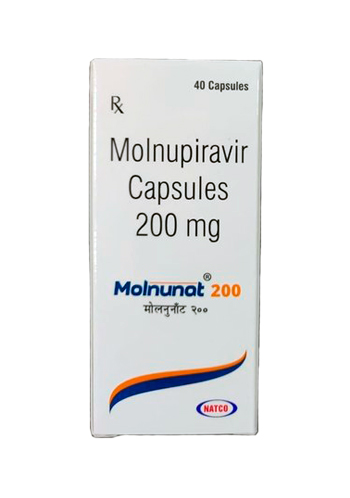
Molnupiravir is another oral antiviral option available in Canada for eligible patients. It reduces the risk of hospitalization and death when taken within five days of symptoms appearing. This medication is taken twice daily for five days.
Remdesivir is an intravenous antiviral used primarily in hospital settings for patients with moderate to severe COVID-19. It has been shown to shorten recovery time and reduce mortality in hospitalized patients.
These medications are not available over-the-counter and require a prescription from a healthcare provider. Your doctor or pharmacist will determine if you're eligible based on your age, health status, and risk factors. Early treatment access is critical, so contact your healthcare provider immediately if you test positive and believe you qualify for antiviral therapy.
While specific antivirals treat the underlying virus, over-the-counter medications can help manage COVID-19 symptoms and improve comfort during recovery. Many Canadians use these products to relieve fever, aches, and cough while their immune system fights the infection.
Acetaminophen (Tylenol) and ibuprofen (Advil, Motrin) are effective for reducing fever and relieving body aches. These can be alternated every few hours, following package directions carefully. Always maintain proper dosing intervals to avoid exceeding daily limits.
Cough suppressants containing dextromethorphan help reduce bothersome coughs, while expectorants containing guaifenesin help thin mucus, making it easier to cough up. Throat lozenges and honey-based products can soothe sore throats and reduce irritation.
Decongestants help clear nasal congestion, though some people prefer saline nasal drops or sprays as a gentler alternative. Antihistamines may help with runny nose and sneezing symptoms. Vitamin C supplements, zinc lozenges, and probiotics are popular choices, though evidence for their effectiveness varies.
Always read labels carefully and avoid combining multiple products that contain the same active ingredients. If you have chronic health conditions or take other medications, consult your pharmacist to ensure over-the-counter treatments won't interact with your current medicines. Most symptoms resolve within one to two weeks with rest, fluids, and supportive care.
Regular testing helps identify COVID-19 infections early, enabling prompt treatment and isolation to prevent transmission. Canada offers several testing options available to residents:
PCR tests, performed at testing centers and laboratories, are highly accurate and remain the gold standard for COVID-19 diagnosis. Results typically come back within 24 to 48 hours. These tests are particularly useful for confirming cases and guiding treatment decisions.
Rapid antigen tests provide results within 15 to 30 minutes and are available at many pharmacies, clinics, and retailers across Canada. While less sensitive than PCR tests, they're convenient for quick screening and home testing. Many people keep these tests on hand during winter months or when respiratory illness is circulating.
At-home rapid tests allow you to test yourself in the privacy of your home, with results available in minutes. These are easily accessible and provide quick information about your COVID-19 status. If you test positive on a rapid test, it's generally wise to confirm with a PCR test and contact your healthcare provider.
Once diagnosed, monitoring your symptoms is important. Watch for warning signs including persistent chest pain, difficulty breathing, confusion, or inability to wake. These symptoms require immediate medical attention. Most people can safely recover at home with rest, hydration, and over-the-counter symptom relief.
Preventing COVID-19 involves multiple strategies that remain relevant even as the pandemic evolves. Vaccination remains the most effective prevention tool, but other measures continue to play important roles in reducing transmission risk.
Hand hygiene is fundamental, with regular handwashing for at least 20 seconds helping prevent transmission. Respiratory etiquette—covering your mouth and nose when coughing or sneezing—protects those around you. In healthcare settings and during outbreaks, masks provide additional protection.
Staying home when sick is perhaps the most straightforward prevention measure. If you have symptoms suggestive of COVID-19, testing and isolation protect vulnerable people in your community. Proper ventilation indoors also reduces viral transmission risk in shared spaces.
Some individuals experience long COVID, with symptoms persisting weeks or months after initial infection. Common long COVID symptoms include fatigue, shortness of breath, brain fog, and persistent cough. If you're experiencing prolonged symptoms, consult your healthcare provider for guidance and potential referral to specialized clinics.
Maintaining overall health through regular exercise, adequate sleep, balanced nutrition, and stress management supports immune function. For vulnerable populations including immunocompromised individuals and those over 65, staying current with vaccines and discussing treatment options with healthcare providers is particularly important.
Your pharmacist is an excellent resource for COVID-19 information, vaccine availability, testing options, and medication guidance. Don't hesitate to ask questions about any aspect of COVID-19 prevention or treatment.