Antiviral medications are prescription drugs designed to treat infections caused by viruses. Unlike antibiotics that target bacteria, antivirals work by interfering with viral replication and spread throughout the body. These medications can reduce the severity of symptoms, shorten illness duration, and prevent serious complications. Antivirals function through various mechanisms—some prevent viruses from entering cells, while others inhibit viral enzymes needed for reproduction. It's important to note that antivirals work best when started early in an infection. They are not cures but rather tools to help your immune system fight viral infections more effectively. Common conditions treated with antivirals include influenza, cold sores, shingles, and certain sexually transmitted infections. Your pharmacist can explain how specific antivirals work and what to expect during treatment.
Influenza is a contagious respiratory illness that affects thousands of Canadians annually. Antiviral medications can significantly reduce flu symptoms and lower the risk of serious complications, particularly in high-risk groups. In Canada, several antiviral options are available for flu treatment and prevention.
Oseltamivir (Tamiflu) is the most commonly prescribed flu antiviral in Canada, available as oral capsules or liquid suspension. Zanamivir (Relenza) is an inhaled powder alternative for patients aged seven and older. Baloxavir marboxil (Xofluza) is a newer option that requires only a single dose. Peramivir (Rapivab) is reserved for hospitalized patients who cannot take oral medications.
These medications are most effective when started within 48 hours of symptom onset. They reduce fever and symptom duration by approximately one day and lower hospitalization risks. Antivirals are particularly important for pregnant women, elderly individuals, and those with chronic medical conditions. Healthcare providers may also recommend antivirals for prevention during flu outbreaks in care facilities.
Herpes simplex virus and varicella-zoster virus cause painful infections that can recur throughout life. Antiviral medications effectively manage these conditions by reducing outbreak frequency, severity, and duration.
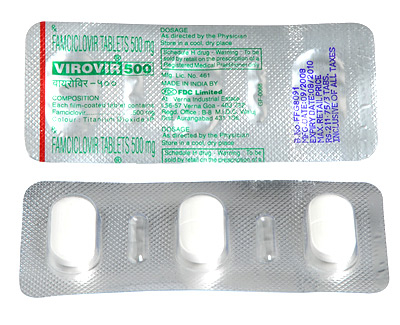
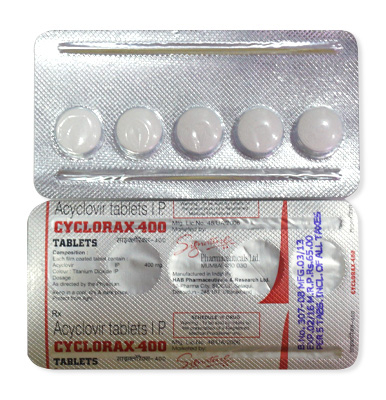
Acyclovir (Zovirax) is a first-line treatment available as tablets, capsules, creams, and intravenous forms. Valacyclovir (Valtrex) is an oral medication that converts to acyclovir in the body and requires less frequent dosing. Famciclovir (Famvir) is another oral option that some patients prefer due to dosing convenience.
Shingles, caused by reactivation of the chickenpox virus, causes severe pain and rash. Valacyclovir and famciclovir are preferred for shingles treatment when started within 72 hours of rash appearance. Early treatment reduces symptom severity and the risk of post-herpetic neuralgia, a painful complication. Topical creams containing antivirals provide additional relief when applied directly to lesions.
For individuals experiencing frequent recurrences, daily antiviral therapy can prevent outbreaks. This approach is particularly beneficial for people with weakened immune systems or those in intimate relationships.
Beyond influenza, several viruses cause respiratory infections that may benefit from antiviral treatment. COVID-19, respiratory syncytial virus, and other respiratory pathogens can be managed with appropriate antivirals.
Nirmatrelvir/ritonavir (Paxlovid) is the primary oral antiviral for COVID-19 treatment and must be started within five days of symptom onset. It significantly reduces severe disease risk and hospitalization rates. Remdesivir (Veklury) is an intravenous option for hospitalized patients. Molnupiravir (Lagevrio) is another oral option available for specific patient populations.
Ribavirin is used in severe cases of respiratory syncytial virus, particularly in immunocompromised patients. These antivirals are typically administered in hospital settings. Treatment decisions depend on disease severity, patient age, and underlying health conditions.
Respiratory antivirals are most beneficial for high-risk individuals, including elderly patients, those with compromised immune systems, and people with chronic lung or heart disease. Early identification and treatment can prevent serious complications and reduce transmission risk.
Chronic viral infections like hepatitis B and C require specialized antiviral therapy. These medications can achieve viral clearance and prevent serious liver damage.
Direct-acting antiviral agents (DAAs) have revolutionized hepatitis C treatment, with cure rates exceeding 95 percent. Canadian options include sofosbuvir/velpatasvir and glecaprevir/pibrentasvir combinations. Treatment duration typically ranges from 8 to 12 weeks depending on viral genotype and patient factors.
Antivirals like tenofovir and entecavir suppress viral replication and reduce liver inflammation. These medications are often taken long-term to prevent cirrhosis and liver failure. Regular monitoring ensures treatment effectiveness and safety.
Antivirals are also used for serious infections like cytomegalovirus in immunocompromised patients and certain types of encephalitis. These treatments require careful medical supervision and are typically administered in healthcare settings.
Taking antivirals exactly as prescribed maximizes effectiveness and reduces the risk of viral resistance. Never skip doses or stop treatment early without consulting your healthcare provider. Some antivirals require specific timing with meals or other medications.
Common antiviral side effects include nausea, headache, and dizziness. Most side effects are mild and temporary. However, antivirals can interact with other medications, so inform your pharmacist about all drugs and supplements you take. Certain antivirals require dose adjustments for kidney or liver problems.
Speak with your pharmacist if you experience unusual side effects, suspected drug interactions, or questions about your treatment. They can provide guidance on storage, remind you about doses, and answer concerns about effectiveness. Key reasons to contact your pharmacist include:
All antivirals in Canada require a valid prescription from a licensed healthcare provider. Your doctor will determine which antiviral suits your specific condition based on infection type, severity, and personal health factors. Insurance coverage varies, so discuss costs with your pharmacist or healthcare provider to understand your financial responsibility and explore assistance programs if available.