Alcoholism, medically known as Alcohol Use Disorder (AUD), is a chronic condition characterized by an inability to control alcohol consumption despite negative consequences. It affects millions of Canadians and can range from mild to severe. This condition impacts physical health, mental wellbeing, relationships, and overall quality of life. Understanding alcoholism is the first step toward recovery and seeking appropriate treatment. Alcohol dependence develops when regular drinking leads to changes in brain chemistry, making it difficult for individuals to stop without professional support. Many people struggle with recognizing whether their drinking habits constitute alcoholism, which is why medical guidance is crucial. Early intervention and proper treatment can significantly improve outcomes and help individuals reclaim their lives.
Common indicators of alcoholism include frequent cravings for alcohol, inability to limit consumption, continued drinking despite problems, neglecting responsibilities, and experiencing withdrawal symptoms when not drinking. Physical symptoms may include tremors, sweating, and anxiety during periods of abstinence. Behavioral changes such as secretive drinking and relationship strain are also warning signs that professional help may be needed.
Genetic predisposition plays a significant role, with family history of alcoholism increasing vulnerability. Environmental factors, stress, trauma, and mental health conditions like depression and anxiety can contribute to the development of AUD. Early exposure to alcohol and social influences also increase risk.
Several Health Canada-approved medications help reduce cravings and support recovery from alcohol dependence. These medications work through different mechanisms to help individuals maintain sobriety and reduce relapse rates. Prescription medications are typically combined with counseling and behavioral therapy for optimal results.
Naltrexone is available in Canada under brand names like Revia and in extended-release formulations. This medication blocks opioid receptors in the brain, reducing the rewarding effects of alcohol consumption. It helps decrease cravings and is effective for maintaining abstinence. The typical oral dose is 50 mg daily, though extended-release injections are also available. Common side effects include nausea, headache, and dizziness, particularly during initial treatment phases.
Campral is widely prescribed in Canada for maintaining abstinence in individuals with alcohol dependence. This medication works by restoring the balance of neurotransmitters affected by chronic alcohol use. It is particularly useful for those experiencing protracted withdrawal symptoms. The standard dosing is 666 mg three times daily for those with normal kidney function. Acamprosate has minimal side effects and does not interact significantly with other medications, making it suitable for many patients.
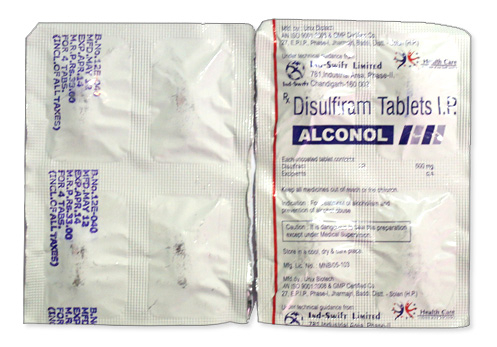
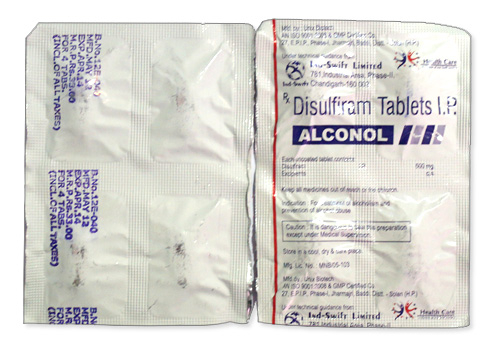
Antabuse works differently by creating an unpleasant reaction when alcohol is consumed, including flushing, nausea, chest pain, and vomiting. Available in Canada, this medication requires motivation and commitment from the patient, as it relies on conscious choice not to drink. The typical dose is 250 mg daily. It is most effective for highly motivated individuals who have completed detoxification.
While not specifically approved for alcoholism, topiramate has shown promise in clinical studies for reducing cravings and improving outcomes. Some physicians in Canada may recommend this anticonvulsant medication as part of comprehensive treatment. Other medications like gabapentin and baclofen are sometimes prescribed to manage withdrawal symptoms and anxiety.
Successful recovery from alcoholism requires a multifaceted approach combining medication, therapy, and lifestyle changes. Professional support from physicians, addiction specialists, and mental health professionals is essential for developing personalized treatment plans. In Canada, various treatment options are available through public healthcare systems, private clinics, and community organizations.
Medically supervised detoxification helps manage withdrawal symptoms safely and comfortably. Healthcare providers monitor vital signs and may administer medications to reduce discomfort during the acute withdrawal phase. This process typically lasts five to seven days and is the foundation for further treatment. Severe withdrawal can be dangerous, making professional medical supervision critical. During this phase, individuals receive support, education about their condition, and preparation for ongoing recovery.
Cognitive behavioral therapy, motivational interviewing, and group counseling are effective therapeutic approaches available throughout Canada. These therapies help individuals identify triggers, develop coping strategies, and address underlying mental health issues contributing to alcohol use. Individual counseling provides personalized support, while group therapy offers community and shared experiences with others facing similar challenges.
Alcoholics Anonymous and other peer support groups provide ongoing encouragement and accountability. Many Canadians find these community-based programs invaluable for long-term recovery. Organizations like SMART Recovery offer science-based alternatives with different philosophical approaches to support and maintain sobriety.
Canadian healthcare professionals including family physicians, psychiatrists, addiction medicine specialists, and nurses play vital roles in managing alcoholism. These professionals assess severity, recommend appropriate medications, monitor progress, and adjust treatment plans as needed. Regular follow-up appointments ensure individuals stay on track with their recovery goals.
Healthcare providers conduct comprehensive evaluations including physical examinations, laboratory tests, and psychological assessments. This process determines the appropriate level of care and identifies co-occurring mental health or medical conditions requiring treatment. Thorough assessment ensures medications are safe and appropriate for individual patients.
Physicians prescribe and monitor medications, adjusting doses based on response and tolerability. Regular check-ins help identify side effects and ensure medications are effectively reducing cravings and supporting sobriety. Blood tests may be conducted to monitor liver function and overall health during treatment. Healthcare providers also coordinate with counselors, therapists, and support group facilitators to ensure comprehensive treatment addressing physical, psychological, and social aspects of alcoholism, maximizing chances of successful long-term recovery.
Sustained recovery requires significant lifestyle modifications and development of healthy coping mechanisms. Avoiding high-risk situations, building strong support networks, and engaging in healthy activities are crucial for maintaining sobriety. Many individuals benefit from exercise, meditation, and pursuing meaningful hobbies and relationships.
Numerous resources are available to Canadians struggling with alcoholism, including government programs, non-profit organizations, and private treatment facilities. Provincial health systems cover many aspects of treatment, while additional support is available through community organizations and workplace assistance programs. Contact your family physician for referrals to addiction specialists or treatment programs in your area. Many communities have publicly funded treatment facilities offering detoxification, counseling, and medication management. Health Canada provides information and resources about alcohol use disorder and treatment options. Provincial addiction services offer assessments and referrals to appropriate treatment programs, and organizations like the Canadian Centre on Substance Use and Addiction provide evidence-based information and support. Telehealth services increasingly provide access to medical consultations and therapy, particularly beneficial for those in remote areas or with mobility limitations. Virtual support groups and online counseling offer flexibility for busy schedules while maintaining professional quality care and support.