
Voltaren
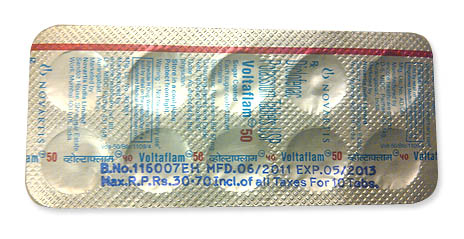
Voltaren
- Voltaren (diclofenac) may be available without a prescription for some topical forms in Canada and other regions, while oral tablets, injections, and eye drops are usually prescription-only. Availability can vary by country, pharmacy, and product strength.
- Voltaren is used to relieve pain and inflammation from conditions such as osteoarthritis, rheumatoid arthritis, ankylosing spondylitis, sprains, strains, and other musculoskeletal pain. It works by inhibiting cyclooxygenase (COX-1 and COX-2), which reduces prostaglandin production and helps decrease pain, swelling, and fever.
- The usual dose depends on the form: oral diclofenac is often 100–150 mg per day in divided doses for arthritis, up to a maximum of 200 mg per day; for acute pain, 50 mg every 8 hours as needed; topical gel is typically applied as 2–4 g to the affected area 4 times daily.
- Voltaren comes as enteric-coated tablets, extended-release tablets, topical gel, ophthalmic solution, powder for oral solution, injection, and suppositories.
- The effect usually begins within about 30–60 minutes for oral forms, while topical gel may start to relieve pain within 1–2 hours.
- The duration of action is generally about 4–8 hours for standard oral doses, longer for extended-release tablets, and several hours for topical applications depending on the area treated and formulation.
- Avoid or limit alcohol while using Voltaren, because alcohol can increase the risk of stomach irritation, ulcers, and gastrointestinal bleeding.
- The most common side effects are nausea, indigestion, abdominal pain, diarrhea, headache, dizziness, and with topical use, skin irritation, rash, or itching.
- Would you like to try Voltaren without a prescription?

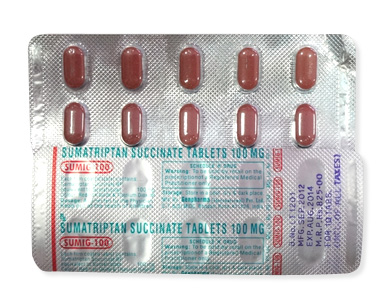
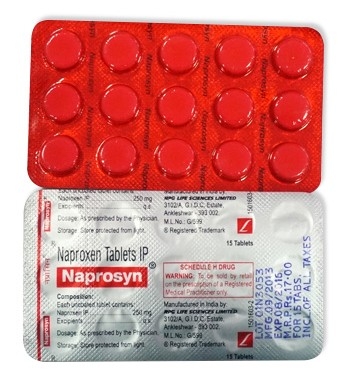
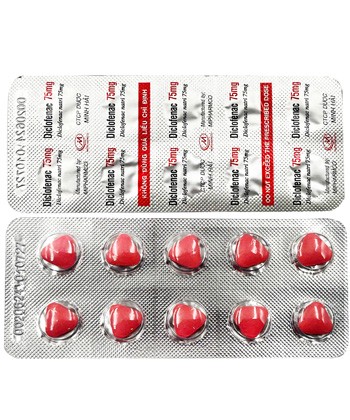
Basic Voltaren Information
- INN (International Nonproprietary Name): Diclofenac
- Brand Names Available in Canada (English): Voltaren, Voltarol, diclofenac generics
- ATC Code: M01AB05
- Forms & Dosages: Enteric-coated tablets 25 mg, 50 mg, 75 mg, 100 mg; extended-release tablets 75 mg, 100 mg; topical gel 1%, 2%; ophthalmic solution 0.1%; powder for oral solution 50 mg; injection 75 mg/3 mL ampoule; suppositories 50 mg, 100 mg
- Manufacturers in Canada (English): Not specified
- Registration Status in Canada (English): Topical gel is mostly OTC; tablets, injections, and eye drops are prescription only in most countries
- OTC / Rx Classification: Topical gel mostly OTC; tablet, injection, and eye drops prescription only in most countries
Availability And Price Landscape
Major National Pharmacy Chains (Shoppers Drug Mart, Rexall, London Drugs)
Canadians usually meet Voltaren first as a tube on the shelf, then as a question at the pharmacy counter.
That is especially true for Voltaren gel and Voltaren Emulgel, while oral diclofenac forms are typically handled as prescription items through local pharmacies.
Availability can change by province and by store banner, so Shoppers Drug Mart, Rexall, Jean Coutu, and London Drugs may stock topical diclofenac gel, but another location nearby may carry a different size or none at all.
When patients ask where to buy Voltaren OTC, the practical answer is usually to compare the store shelf, the pharmacy counter, and a Canadian online pharmacy listing with a DIN on the package.
Online Pharmacy Trends In Canada (Including Provincial Restrictions)
Canadian online pharmacies have made diclofenac gel much easier to compare by tube size, strength, and delivery time.
That said, provincial rules and store policy still matter, especially for prescription-only oral tablets or injectable forms.
Cross-border US pricing can look lower on a screen, but import checks, verification issues, and product-status differences can complicate the real cost.
For shoppers comparing Canadian pharmacy prices, a DIN-labelled product is the safest way to compare like with like.
Price Ranges By Package Size (With Provincial Differences)
| Package Size | Typical Form | Canadian Price Context |
|---|---|---|
| 20 g | Topical gel 1% or 2% | Usually the lowest upfront cost, but not always the best unit price |
| 50 g | Topical gel 1% or 2% | Often a middle option for short-term use and a common shelf size |
| 100 g | Topical gel 1% or 2% | Usually offers better value per gram, especially for ongoing joint care |
- OTC topical products are usually the easiest to compare online.
- Prescription oral forms depend on the prescriber, the province, and the dispensing pharmacy.
- DIN-labelled items are the cleanest comparison point for Canadian shoppers.
Canadian Patient Insights And Satisfaction Levels
Forum And Review Platforms (Reddit Canada, HealthBoards, AskDocs)
Before anyone looks at the monograph, they usually want the real-world story.
On Canadian forum threads and review boards, people often describe topical Voltaren as quicker for local joint pain than an oral painkiller, especially for hands, knees, the neck, and a mild back strain.
That “works enough” question comes up a lot for arthritis, along with whether the gel smell, greasiness, or rubbing-in routine is worth it.
Some patients also compare diclofenac gel experience with ibuprofen or naproxen after pharmacist advice at the counter.
Reported Benefits And Challenges From Canadian Patients
Community health discussions in Canada tend to sound practical rather than dramatic.
People like the convenience of topical use, but they do not like paying out of pocket for an OTC product that provincial plans often do not cover.
Skin irritation, rash, itching, and erythema are the complaints that most often show up when the gel bothers someone.
For chronic osteoarthritis use, the usual advice is to reassess after 7 days if there is no improvement, rather than just keep applying it indefinitely.
- Pros: Targeted relief, easy to apply, lower systemic exposure than oral diclofenac.
- Cons: Greasy feel, odour concerns, skin irritation, and limited benefit for deep pain.
Product Overview And Brand Variants
INN And Brand Names Used In Canada
- INN
- Diclofenac.
- Best-known brand
- Voltaren.
- Other references
- Voltarol and diclofenac generics in Canadian shopping content.
Diclofenac is an NSAID in the ATC class M01AB05, and product format matters more than the label on the box.
That is why a topical gel, an oral tablet, and an injection should never be treated as the same buying decision.
Legal Classification Under Health Canada
| Form | Typical Strengths | Canadian Access Pattern |
|---|---|---|
| Enteric-coated tablet | 25 mg, 50 mg, 75 mg, 100 mg | Prescription only |
| Extended-release tablet | 75 mg, 100 mg | Prescription only |
| Topical gel | 1%, 2% | Mostly OTC |
| Injection | 75 mg/3 mL ampoule | Prescription only |
| Ophthalmic solution | 0.1% | Prescription only |
Indications In Local Canadian Medical Practice
Approved Uses (Health Canada DIN Context)
Canadians most often ask about Voltaren for arthritis pain relief, especially osteoarthritis.
It is also used for rheumatoid arthritis, ankylosing spondylitis, and short-term mild-to-moderate pain when a clinician chooses oral diclofenac.
Topical diclofenac is popular for localized joint discomfort because it gives targeted use with less whole-body exposure than tablets.
In practical terms, that makes it a common pharmacy recommendation for one sore knee, one painful thumb joint, or a flare of wrist pain.
Off-Label Patterns In Canadian Healthcare
Patients do ask about Voltaren gel for back pain, sprains, and repetitive strain.
Those conversations happen often enough at the pharmacy counter that the usual advice stays consistent: use it for the recommended duration, and reassess if symptoms persist.
Oral forms are generally reserved for cases where a prescriber feels the benefit outweighs the risk.
- Common use cases: Osteoarthritis, rheumatoid arthritis, ankylosing spondylitis.
- Common questions: Back pain, mild sprains, repetitive strain, localized inflammation.
How It Works In The Body
Layman’s Explanation (Canadian Patient-Friendly Tone)
Voltaren works by reducing the body signals that drive inflammation, pain, and swelling.
That is why diclofenac tends to help joint pain and muscle inflammation more than nerve pain.
Clinical Detail From Health Canada Resources
Diclofenac is a cornerstone NSAID, and its ATC code is M01AB05.
Topical forms concentrate action where they are applied, while oral forms act throughout the body and carry broader warnings.
That difference is the main reason the gel is often tried first for local pain.
Inflammation → pain and swelling → diclofenac effect
Dosage And Administration
Standard Regimens Per Canadian Guidelines
| Condition | Typical Adult Dose | Practical Note |
|---|---|---|
| Osteoarthritis / Rheumatoid arthritis | 100 mg to 150 mg daily in divided doses; maximum 200 mg daily | Use the lowest effective dose for the shortest possible time |
| Acute mild-to-moderate pain | 50 mg every 8 hours as needed | Prescription use is usually short term |
| Ankylosing spondylitis | 100 mg to 125 mg daily in divided doses | Usually managed under medical supervision |
| Topical gel | 2 g to 4 g to the affected area 4 times daily | Suitable for localized joint pain and mild injuries |
Adjustments By Patient Type (With Canadian Clinical Notes)
Children under 18 years are generally not candidates unless a specialist gives specific guidance.
Older adults should use the lowest effective dose because GI, renal, and cardiovascular side effects are more likely.
People with liver concerns need caution and possible dose reduction, while advanced renal failure is a reason to avoid use.
- Missed dose: Take it when remembered unless it is almost time for the next dose.
- Overdose: Seek immediate medical attention; possible signs include GI bleeding, somnolence, hypotension, and renal failure.
- Topical use: Do not double up applications just because pain is still there.
Contraindications And Side Effects
Common (Health Canada-Approved List)
| Common Effects | Serious Effects |
|---|---|
| Nausea, dyspepsia, diarrhea, abdominal pain, flatulence, headache, dizziness, topical skin irritation, rash, itching, erythema | GI bleeding, allergic reactions, bronchospasm, liver enzyme elevation, increased blood pressure, fluid retention |
People with a diclofenac or NSAID allergy, active GI ulcers or bleeding, severe renal or hepatic insufficiency, or peri-CABG use should not take it.
Caution is also needed with cardiovascular disease, ulcer history, IBD, anticoagulants, coagulopathies, and older age.
Rare But Serious (With Canadian Pharmacovigilance Data)
These are the red flags that matter most in counselling.
Any sign of severe stomach bleeding, breathing trouble, swelling, marked dizziness, or a strong rash needs prompt medical review.
Because oral diclofenac affects the whole body, the warning list is more important than the brand name on the package.
- Black stools, vomiting blood, or sudden severe abdominal pain.
- Wheezing, bronchospasm, facial swelling, or widespread hives.
- Yellowing of the skin, dark urine, or unusual fatigue.
Comparable Medicines In Canada
Alternatives Table (With DIN References)
| Medicine | Common Canadian Pattern | Buying Context |
|---|---|---|
| Ibuprofen | Often OTC | Familiar first-line pain option for many households |
| Naproxen | Often OTC | Used for longer-lasting pain control |
| Meloxicam | Prescription | Used when a prescriber wants a controlled NSAID option |
| Celecoxib | Prescription | Selective COX-2 inhibitor and a common comparator |
| Ketoprofen | Varies by formulation | Often discussed in topical and oral comparisons |
| Piroxicam | Prescription | Older NSAID option for selected patients |
Pros And Cons List
- Pros: Good option for localized pain, familiar brand, and topical use may reduce systemic exposure.
- Cons: Oral forms need more caution, and topical gel can still irritate skin.
- Practical point: Diclofenac vs ibuprofen efficacy often comes down to pain location, dosing, and risk profile.
Current Research And Trends
Major Canadian Or International Studies 2022–2025
Recent practice trends still support topical NSAIDs for osteoarthritis and local musculoskeletal pain.
At the same time, long-term oral NSAID use continues to draw caution because of cardiovascular, renal, and GI risks.
For mild injuries, topical use for 7 to 21 days remains a common pattern, while chronic osteoarthritis use should be reassessed rather than left unchecked.
The overall direction of care is not away from diclofenac, but toward better patient selection and safer use.
- Topical therapy remains a steady choice for localized pain.
- Oral therapy is still reserved for situations that need closer supervision.
- Canadian pharmacy advice continues to balance symptom relief against safety.
Common Patient Questions In Canada
Buying, Using, And Comparing Voltaren In Everyday Life
Is Voltaren OTC? Topical gel is often OTC, while tablets, injections, and eye drops are usually prescription only.
Is Voltaren good for back pain? It can help some people with localized back strain, but deeper pain may respond less well.
Can it be used with ibuprofen? That is a pharmacist or prescriber question, especially for older adults or anyone with stomach, kidney, or heart issues.
Why is the gel cheaper at one pharmacy than another? Tube size, banner pricing, and province all affect the final price.
Can I buy it online? Yes, but it is best to confirm the exact product, the DIN, and whether the form is OTC or prescription only.
In our online pharmacy, Voltaren is available without a prescription, with discreet delivery to Canada in 5 to 14 days.
Regulatory Status
Health Canada Approval Process
In Canada, the legal status depends on the authorised formulation, not just the brand name Voltaren.
That is why a topical gel can be sold differently from a tablet or an injection.
Health Canada review and a valid DIN help confirm that a product is an authorised drug item for sale in Canada.
DIN Number Relevance
A DIN is the easiest way for a pharmacist or patient to confirm the product is the right Canadian drug listing.
Provincial plans such as Ontario Drug Benefit, BC PharmaCare, and RAMQ in Quebec can affect coverage and where people choose to buy.
| Plan | Coverage Note |
|---|---|
| Ontario Drug Benefit | Coverage depends on the product and eligibility |
| BC PharmaCare | Coverage varies by drug class and program rules |
| RAMQ Quebec | Plan rules can affect the final price at the pharmacy |
Visual Recommendations
Infographic Ideas For Canadian Context
- A flowchart showing which Voltaren product fits which pain problem.
- A dosage card for topical application with 20 g, 50 g, and 100 g tube comparisons.
- A safety infographic with red flags for NSAID warnings.
- A province-aware price comparison graphic for store and online shoppers.
- A clean OTC versus Rx label graphic for the product page.
These visuals help shoppers make a quicker decision and reduce confusion between gel, tablet, and prescription-only forms.
Buying And Storage Advice
In-Store Versus Online Canadian Purchase Tips
When comparing buy Voltaren Canada options, the smartest step is to compare unit price, not just sticker price.
Check the DIN on the package and confirm whether the item is topical OTC or prescription only.
Shoppers Drug Mart, Rexall, Jean Coutu, and London Drugs are familiar Canadian access points, and online pharmacy comparison can be useful when a larger tube gives better value.
Cross-border US listings may look cheaper, but the product status may not match Canadian rules.
Proper Storage With Canadian Climate Considerations
| Form | Storage Advice |
|---|---|
| Tablets | Store at room temperature, protect from moisture |
| Gel | Keep away from heat and direct sunlight |
| Topical or ophthalmic forms | Do not freeze |
Room temperature storage means 20 to 25°C.
That matters during summer car storage, winter shipping delays, and humid bathroom cabinets.
Guidelines For Proper Use
Canadian Doctor And Pharmacist Advice Style
Pharmacist advice: Use the lowest effective dose, keep treatment as short as possible, and reassess if symptoms are not improving.
That is the same message patients hear in Canadian counselling for NSAID use, especially when renal impairment, ulcer history, or heart concerns are part of the conversation.
Ask about interactions with anticoagulants, blood pressure medicine, or other pain relievers before starting treatment.
Topical Voltaren is often chosen first for local joint pain, while oral diclofenac needs closer supervision because the risk profile is broader.
Do And Don’t List
- Do: Follow the labelled dose, keep track of response, and monitor for stomach, kidney, heart, or skin reactions.
- Do: Ask a pharmacist if you are taking other NSAIDs or prescription medicines.
- Don’t: Double doses after a missed dose.
- Don’t: Keep using it without review if the pain is not improving.
Delivery Across Canada (English)
| City | Region | Delivery time |
|---|---|---|
| Toronto | Ontario | 5-7 days |
| Ottawa | Ontario | 5-7 days |
| Mississauga | Ontario | 5-7 days |
| Hamilton | Ontario | 5-7 days |
| Montreal | Quebec | 5-7 days |
| Quebec City | Quebec | 5-7 days |
| Vancouver | British Columbia | 5-7 days |
| Surrey | British Columbia | 5-7 days |
| Calgary | Alberta | 5-7 days |
| Edmonton | Alberta | 5-7 days |
| Winnipeg | Manitoba | 5-7 days |
| Halifax | Nova Scotia | 5-7 days |
| Saskatoon | Saskatchewan | 5-9 days |
| St. John’s | Newfoundland and Labrador | 5-9 days |