
Lexapro
Lexapro
- In Canada and most countries Lexapro (escitalopram) is prescription-only and normally dispensed by pharmacies with a valid prescription; however, some local pharmacies or online vendors may offer it without requiring a prescription or receipt — this is not recommended, may be illegal, and carries safety risks.
- Lexapro (escitalopram) is used to treat major depressive disorder (MDD), generalized anxiety disorder (GAD) and, in some jurisdictions like Canada, obsessive–compulsive disorder (OCD). It is a selective serotonin reuptake inhibitor (SSRI) that increases serotonin levels in the brain by blocking serotonin reuptake into presynaptic neurons.
- Usual adult dosage is 10 mg once daily (many patients start at 10 mg); dose may be increased to 20 mg daily if needed. Elderly patients and those with significant liver impairment are usually kept at 10 mg daily. Pediatric dosing varies by indication and age.
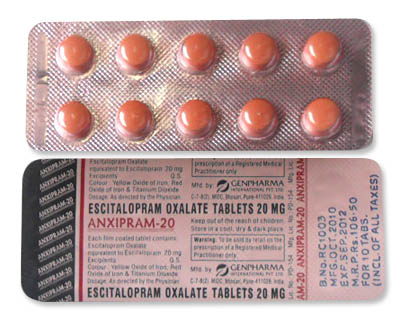
- Administered orally as film‑coated tablets (commonly 5 mg, 10 mg, 20 mg) or as an oral solution (concentrations vary by country, e.g., 1 mg/mL or 10 mg/mL); taken once daily with or without food.
- Some patients may notice early symptom improvement (sleep, appetite, anxiety) within 1–2 weeks, but meaningful antidepressant or anxiolytic effects typically take 4–6 weeks or longer.
- Escitalopram has a plasma half‑life of roughly 27–32 hours and is dosed once daily; therapeutic effects persist with continued daily dosing, and withdrawal or relapse risk occurs if stopped abruptly.
- Avoid excessive alcohol while taking Lexapro — alcohol can increase sedation, worsen mood or anxiety, and amplify side effects such as drowsiness and impaired coordination.
- The most common side effects include nausea, headache, insomnia or somnolence, fatigue, dry mouth, increased sweating and sexual dysfunction (decreased libido, anorgasmia, delayed ejaculation); seek medical advice for severe or persistent effects.
- Would you like to try lexapro without a prescription?

Basic Lexapro Information
- INN (International Nonproprietary Name): Escitalopram
- Brand Names Available In Canada (English): Lexapro (film-coated tablets: 5 mg, 10 mg, 20 mg); generic escitalopram from multiple manufacturers is common.
- ATC Code: N06AB10 (Selective Serotonin Reuptake Inhibitors – SSRIs)
- Forms & Dosages: Tablets in 5 mg, 10 mg, 15 mg and 20 mg strengths are listed in global data; the Canadian market predominantly supplies film-coated tablets in 5 mg, 10 mg and 20 mg.
- Manufacturers In Canada (English): Lundbeck is the original developer and global supplier; generics available from global manufacturers such as Teva and Sandoz are commonly supplied to the Canadian market.
- Registration Status In Canada (English): Escitalopram products carry Health Canada market authorizations and Drug Identification Numbers (DINs) before sale; some approvals include major depressive disorder, generalized anxiety disorder and pediatric OCD depending on the product monograph.
- OTC / Rx Classification: Prescription only (Rx) in Canada and other major jurisdictions.
Availability And Price Landscape
Major National Pharmacy Chains
Lexapro (INN: escitalopram) and generic escitalopram are widely stocked at national chains such as Shoppers Drug Mart and Rexall.
Regional chains including London Drugs and Quebec’s Jean Coutu commonly carry film-coated tablets in 5 mg, 10 mg and 20 mg strengths.
All escitalopram products dispensed in Canada require a valid prescription under Health Canada classification, and pharmacists must follow provincial dispensing rules when handing out prescription medication.
Online Pharmacy Trends In Canada
Chain-run and independent Canadian-licensed online pharmacies offer home delivery and often list Lexapro and generic escitalopram for order.
Some provinces require electronic transmission of prescriptions or impose dispensing windows that affect refill timing for online orders.
Cross-border purchases from the United States remain common for cost savings, but they come with importation and regulatory risks that patients should consider.
Price Ranges By Package Size
Price depends on brand versus generic, pack size, and whether provincial drug plans apply.
Provincial programs such as Ontario Drug Benefit, BC PharmaCare and RAMQ may list escitalopram under their formularies, which changes out-of-pocket cost for eligible patients.
In-store prices and online prices can differ; manufacturer rebates or discount cards also affect the final cost to a patient.
Quick Comparison Notes
- Common Search Terms Used By Patients: Lexapro price, escitalopram tablets, generic Lexapro Canada.
- Practical Tip: Ask the pharmacist for the DIN to check provincial coverage during checkout.
Canadian Patient Insights & Satisfaction Levels
Forum And Review Platforms
Canadian patients commonly discuss lexapro on Reddit communities such as r/Canada and r/antidepressants, as well as HealthBoards and pharmacy review pages.
Conversations often mention local pharmacies like Shoppers Drug Mart and London Drugs and practical issues such as refill wait times and prior authorizations needed by provincial formularies.
Reported Benefits And Challenges From Canadian Patients
Many users report mood and anxiety improvement after starting escitalopram 10 mg, which is a typical starting dose noted in product information.
Users describe a latency of benefit commonly between two and six weeks, with full effect often assessed at eight weeks.
Common side effects discussed by patients include nausea, somnolence, sexual dysfunction and increased sweating.
- "Started 10 mg and felt less anxious after three weeks, nausea faded in days."
- "Switched to generic escitalopram from brand and tolerated it fine, but pharmacist said the DIN differed."
- "Elderly relative kept dose at 10 mg due to sensitivity; that helped with sleep and worry."
Challenges raised include withdrawal symptoms when stopping abruptly and occasional difficulty obtaining a specific brand such as Lundbeck’s Lexapro versus available generics.
Product Overview & Brand Variants
INN And Brand Names Used In Canada
The International Nonproprietary Name (INN) is escitalopram.
The most recognised brand in Canada is Lexapro, and generic escitalopram from manufacturers such as Teva and Sandoz is widely available.
Lundbeck is noted as the original developer and global supplier of escitalopram.
Legal Classification Under Health Canada
Escitalopram is classified as prescription only (Rx) across major jurisdictions, and Health Canada oversight includes market authorizations and pharmacovigilance.
Each marketed product will carry a Drug Identification Number (DIN), which pharmacies use for dispensing and insurance billing.
- Brand vs Generic: Brand is Lexapro; generic products carry separate DINs and are approved for bioequivalence.
- Common Manufacturers: Lundbeck (original), Teva, Sandoz and other global suppliers supply products into the Canadian market.
Indications In Local Canadian Medical Practice
Approved Uses
Health Canada and product monographs list escitalopram for major depressive disorder (MDD) and generalized anxiety disorder (GAD).
Some Canadian approvals also support certain paediatric uses such as obsessive compulsive disorder (OCD) depending on the product monograph.
Prescribers routinely include the DIN on prescriptions and insurance forms to ensure correct product coverage and billing.
Off-Label Patterns In Canadian Healthcare
Off-label uses that clinicians sometimes prescribe include social anxiety disorder, panic disorder and adjunctive therapy for certain chronic pain cases.
Public drug plans may require special authorization or clinician justification when escitalopram is requested for non-listed indications.
| Indication | Typical Canadian Dosing | DIN Note |
|---|---|---|
| Major Depressive Disorder (MDD) | Start 10 mg daily; usual 10 mg; max 20 mg | Check product DIN for formulary coverage |
| Generalized Anxiety Disorder (GAD) | Start 10 mg daily; usual 10 mg; max 20 mg | DIN required on prior authorization forms |
| Pediatric OCD (where approved) | Start 10 mg; specialist guidance required | Age and dose specifics per monograph and DIN |
How It Works In The Body
Layman’s Explanation
Escitalopram is an SSRI that helps increase serotonin availability in the brain, which can reduce symptoms of depression and anxiety.
Patients typically notice gradual changes in mood, sleep and appetite over a few weeks rather than immediate relief.
Common clinical improvements include less persistent worry, better sleep patterns and improved daily functioning for many people.
Clinical Detail From Health Canada Resources
Pharmacologically, escitalopram selectively inhibits serotonin reuptake and is classified under ATC code N06AB10.
Dosage adjustments are recommended for the elderly and for patients with liver impairment, where a maximum 10 mg/day is advised.
Patients should be monitored for serotonin syndrome if combined with other serotonergic agents, and co-administration with monoamine oxidase inhibitors is contraindicated.
Dosage & Administration
Standard Regimens Per Canadian Guidelines
Typical adult starting dose for MDD and GAD is 10 mg once daily, though some clinicians start at 5 mg for sensitivity.
The maximum recommended adult dose is 20 mg daily per product information.
Treatment in the acute phase should continue for a minimum of eight weeks, with maintenance therapy extending for several months depending on relapse risk.
Adjustments By Patient Type
Elderly patients are usually started and limited to 10 mg/day due to increased sensitivity and tolerability concerns.
For liver impairment the recommended starting and maximum dose is 10 mg/day.
Renal impairment generally requires no adjustment for mild to moderate cases, but caution is advised in severe renal impairment.
- Children: Some paediatric approvals exist for OCD; dosing follows product monograph and specialist advice.
- Missed Dose: Take as soon as remembered unless near the next dose; do not double up.
Contraindications & Side Effects
Common (Health Canada-Approved List)
Common adverse effects include headache, nausea, somnolence or insomnia, fatigue, dry mouth, increased sweating, sexual dysfunction and dizziness.
Patients should be counselled about sexual side effects, which can persist while on treatment for some people.
Rare But Serious
Absolute contraindications include hypersensitivity to escitalopram or excipients, concurrent or recent use of MAO inhibitors (including linezolid and methylene blue), recent pimozide use, and known congenital long QT syndrome.
Serious but rare events include serotonin syndrome, QT prolongation especially with interacting drugs, hyponatraemia and increased bleeding risk.
- Action: Report serious adverse events to the Health Canada Vigilance Program and seek urgent care for signs of serotonin syndrome.
Comparable Medicines In Canada
Alternatives Table
| Drug (INN) | Common Dose | Typical Pros | Typical Cons |
|---|---|---|---|
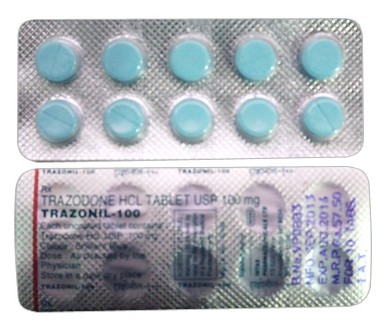
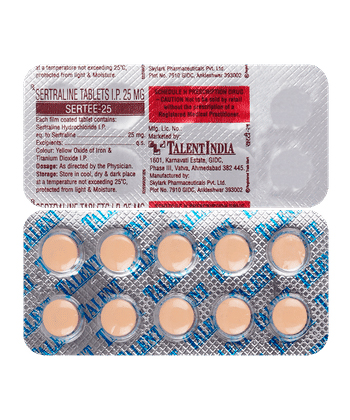
| Sertraline | 50–200 mg/day | Broad anxiety approvals; well studied | GI side effects common initially |
| Fluoxetine | 20 mg/day (variable) | Long half-life; activating for low-energy patients | More activating effects; sleep disturbance in some |
| Paroxetine | 20–40 mg/day | Effective for anxiety disorders | Higher risk of sexual dysfunction and weight gain |
| Citalopram | 20–40 mg/day | Similar class with familiar tolerability | Less potent racemic mix; QT concerns at higher doses |
Pros And Cons List
Escitalopram often offers favourable tolerability and clear evidence for MDD and GAD at lower dosing than some alternatives.
Downsides can include sexual dysfunction and potential QT concerns at higher doses or with interacting medicines.
Current Research & Trends
Major Studies 2022–2025
Recent systematic reviews and randomized controlled trials continue to support escitalopram’s efficacy for major depressive disorder and generalized anxiety disorder.
Canadian research in the last few years has emphasised real-world outcomes, dropout and side-effect rates in older adults and paediatric OCD dosing strategies.
Pharmacovigilance analyses have examined QT risk and interactions in older adults with polypharmacy.
- 2022 — Real-world cohort studies assessing tolerability in seniors.
- 2023 — Paediatric OCD dosing strategy summaries with specialist guidance.
- 2024–2025 — Meta-analyses continuing to compare tolerability versus older SSRIs.
Common Patient Questions In Canada
How Long Until Lexapro Works?
Expect two to six weeks for noticeable change and up to eight weeks or longer for full effect during the acute treatment phase.
Can My Provincial Plan Cover Lexapro?
Many provincial formularies list escitalopram, but coverage depends on the specific DIN and the patient’s plan; check Ontario Drug Benefit, BC PharmaCare or RAMQ for details and special-authority rules.
Is Generic As Effective As Brand?
Generics approved by Health Canada have DINs and must meet bioequivalence standards, though some patients notice tolerability differences when switching brands.
What About Withdrawal?
Taper gradually under clinician supervision to reduce discontinuation symptoms rather than stopping abruptly.
Regulatory Status
Health Canada Approval Process
Escitalopram products marketed in Canada undergo Health Canada review for safety, efficacy and quality before a Notice of Compliance and a DIN are issued.
Sponsors submit clinical and manufacturing data and post-market surveillance continues via mandatory reporting and pharmacovigilance.
DIN Number Relevance
The DIN uniquely identifies the drug product, manufacturer, strength and formulation for pharmacy dispensing and reimbursement.
Prescriptions and provincial drug plans commonly require the DIN to confirm product eligibility, and generics carry separate DINs from the brand Lexapro.
- Notice Of Compliance: Formal approval from Health Canada permitting marketing.
- DIN: Required for dispensing and insurance billing.
- Pharmacovigilance: Adverse events are reported through Health Canada channels.
Visual Recommendations
Infographic Ideas For Canadian Context
Design a "Quick Facts" panel that lists INN: escitalopram, ATC: N06AB10, and strengths 5 mg, 10 mg and 20 mg found in Canada.
Create a dosing ladder for adults, elderly and children, and a provincial coverage checklist showing where special authorization may be required.
Other Visual Blocks For Product Page
Include a medication comparison table, a side-effect frequency chart, pill images for each strength and a storage icon noting "store below 25°C/77°F".
Pharmacist counselling call-outs and a clear Health Canada approval badge help build trust on a product page.
Buying & Storage Advice
In-Store Vs. Online Canadian Purchase Tips
Buy from licensed Canadian pharmacies, whether in-store chains or verified online services, and confirm the product DIN and expiry before accepting a shipment.
Compare in-store and online pricing, but factor in shipping, counselling access and provincial dispensing rules when deciding.
In our online pharmacy, lexapro is available without a prescription, with discreet delivery to Canada (English) in 5-14 days.
Proper Storage With Canadian Climate Considerations
Store escitalopram below 25°C/77°F in the original packaging to protect it from moisture.
Avoid leaving medication in vehicles during cold winters or hot summer days and keep bottles sealed in humid coastal regions.
Dispose of expired tablets via community pharmacy returns or municipal medication take-back programs.
- Buying Checklist: Verify pharmacy licence, check DIN, compare total cost.
- Storage Do/Don’t: Do keep in original packaging; don’t store in bathrooms where humidity is high.
Guidelines For Proper Use
Canadian Doctor/Pharmacist Advice Style
Clinicians typically set a clear treatment plan that includes indication, start dose (usually 10 mg for adults), expected timeline and a tapering strategy.
Elderly and liver-impaired patients are advised to keep the dose at or below 10 mg/day in line with product monographs.
Pharmacists counsel on interactions, advising patients to avoid MAO inhibitors and to inform their clinician about other serotonergic medicines.
Practical Adherence & Monitoring Tips
Use pillboxes or pharmacy blister packs to aid adherence and schedule follow-ups at two to four weeks, then at six to eight weeks to assess response.
Monitor mood changes and suicidal ideation, particularly in younger patients, as well as bleeding signs and cardiac symptoms if on other QT‑prolonging drugs.
| Action | Timing |
|---|---|
| Initial clinical review | 2–4 weeks |
| Assess efficacy | 6–8 weeks |
| Maintenance review | Every 3 months or per clinician plan |
Delivery Across Canada (English)
| City | Region | Delivery time |
|---|---|---|
| Toronto | Ontario | 5-7 days |
| Vancouver | British Columbia | 5-7 days |
| Montreal | Quebec | 5-7 days |
| Calgary | Alberta | 5-7 days |
| Edmonton | Alberta | 5-7 days |
| Ottawa | Ontario | 5-7 days |
| Winnipeg | Manitoba | 5-7 days |
| Quebec City | Quebec | 5-7 days |
| Halifax | Nova Scotia | 5-9 days |
| Victoria | British Columbia | 5-9 days |
| Saskatoon | Saskatchewan | 5-9 days |
| Regina | Saskatchewan | 5-9 days |
| St. John's | Newfoundland and Labrador | 5-9 days |
| Kelowna | British Columbia | 5-9 days |