
Abilify
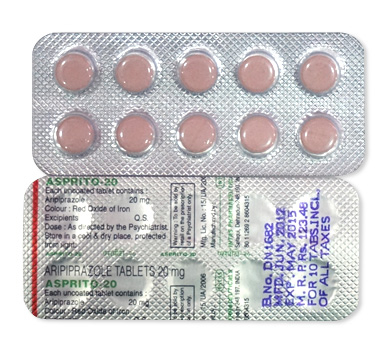
Abilify
- Abilify (aripiprazole) is a prescription medicine in Canada and most countries; although some pharmacies or online vendors may offer it without a prescription, purchasing or using it without a prescriber’s authorization is not recommended and may be unsafe or illegal—always consult a healthcare professional.
- Abilify is used to treat schizophrenia, bipolar I disorder (mania/mixed), as adjunctive therapy for major depressive disorder, and for some tic/autism-related irritability indications. It acts as a partial agonist at dopamine D2/D3 receptors, a partial agonist at 5‑HT1A receptors and an antagonist at 5‑HT2A receptors, modulating dopaminergic and serotonergic activity.
- Usual oral dosages: schizophrenia 10–30 mg once daily (commonly 10–15 mg start); bipolar mania typically 15 mg daily; adjunctive treatment in major depressive disorder 2–5 mg daily; pediatric dosing is lower (e.g., start 10 mg for adolescents) and varies by indication. Long‑acting injectable options: Abilify Maintena 300 or 400 mg monthly; Abilify Asimtufii 720 mg every 2 months.
- Forms of administration: oral tablets (2, 5, 10, 15, 20, 30 mg), orally disintegrating tablets (ODT), oral solution (1 mg/mL), and intramuscular long‑acting injections (monthly or every‑2‑month formulations).
- Onset: some symptoms such as agitation or sleep disturbance may improve within days; meaningful antipsychotic or mood effects typically emerge over 1–2 weeks with continued improvement over several weeks; antidepressant adjunct benefit may require 2–4 weeks to assess.
- Duration of action: oral dosing is once daily (aripiprazole has a long elimination half‑life of roughly 75 hours with active metabolite contribution, supporting once‑daily dosing); injectable formulations provide therapeutic coverage for one month (Maintena) or two months (Asimtufii) per labeled schedule.
- Alcohol warning: avoid or limit alcohol while taking Abilify—alcohol can increase sedation, impair thinking and motor skills, and worsen side effects such as dizziness and drowsiness.
- The most common side effect is akathisia (restlessness); others include insomnia, headache, nausea, constipation, dizziness, mild sedation, tremor and transient weight gain.
- Would you like to try Abilify without a prescription?
Basic Abilify Information
- INN (International Nonproprietary Name): Aripiprazole
- Brand Names Available In Canada (English): Abilify — Tablets, oral solution, injection; generic aripiprazole products sold under names such as Apo‑Aripiprazole, Teva‑Aripiprazole and Sandoz‑Aripiprazole.
- ATC Code: N05AX12
- Forms & Dosages: Tablets 2 mg, 5 mg, 10 mg, 15 mg, 20 mg, 30 mg; Orally disintegrating tablets (ODT) 10 mg, 15 mg; Oral solution 1 mg/mL; Injectables — Abilify Maintena 300 mg or 400 mg monthly, Abilify Asimtufii 720 mg every two months.
- Manufacturers In Canada (English): Original developer Otsuka Pharmaceutical; Lundbeck co‑markets long‑acting injectables internationally; generics available from manufacturers such as Sandoz and Teva.
- Registration Status In Canada (English): Prescription‑only (Rx) status with Health Canada.
- OTC / Rx Classification: Prescription‑only (Rx).
Availability & Price Landscape
Canadians often ask where Abilify or aripiprazole is easiest to get and how much it costs.
Major national pharmacy chains such as Shoppers Drug Mart, Rexall and London Drugs commonly stock Abilify tablets and can arrange access to injectables through clinic partnerships and hospital pharmacies.
Regional chains such as Jean Coutu and community hospital pharmacies also supply Abilify Maintena and other formulations where local services support injections.
Online pharmacy trends in Canada show increasing use of chain e‑pharmacies and independent Canadian e‑pharmacies for tablet and generic aripiprazole sales, but all require a valid prescription and provincial restrictions affect coverage.
Cross‑border buying from U.S. sites still occurs, but customs delays, DIN mismatch and therapeutic substitution risks make this a higher‑risk option for Canadian patients.
Price ranges vary by package size and province.
Typical retail cash prices for branded Abilify tablets are higher than generics, and strength (2–30 mg) and package size drive wide price bands.
Provincial differences in markups and dispensing fees mean a 30‑day supply can cost more in one province than another, while online discounting often offsets in‑store convenience fees.
Comparative Price Table (Example)
- In‑store branded Abilify (30 tablets): higher cash price; dispensing fee varies by province.
- Online generic aripiprazole (30 tablets): often lower cash price when discounts apply; valid prescription required.
- Provincial coverage: Ontario Drug Benefit, BC PharmaCare and RAMQ may cover specific indications — coverage depends on indication and prior authorisation rules.
Purchase Checks
- Always bring a valid prescription or e‑prescription.
- Verify Drug Identification Number (DIN) on the package and the lot number.
- Confirm manufacturer name when switching between brand and generic.
Canadian Patient Insights & Satisfaction Levels
Patients frequently search forums for real experiences with Abilify and aripiprazole in Canada.
Discussion platforms include Reddit communities like r/CanadaHealth and r/mentalhealth, provincial Facebook support groups and international boards such as HealthBoards and AskDocs.
Many Canadian patient reports praise symptom control in psychosis and bipolar mania, and note functional improvement that felt faster than with some older antipsychotics.
Common positive comments highlight less sedation and clearer cognition at therapeutic doses compared with older options.
Frequent challenges reported are akathisia (restlessness), insomnia and inconsistent responses after dose changes.
Several Canadians describe switching to generics (Apo‑, Teva‑, Sandoz‑ aripiprazole) without noticing clinical change, while others praised pharmacist counselling at Shoppers and Rexall for improving adherence.
Long‑acting injections like Abilify Maintena and Asimtufii receive positive feedback for adherence and removing the daily pill burden, but patients raise concerns about injection‑site reactions and access to clinic appointments.
Sentiment Map
- Positive: Adherence, reduced daily pill burden (LAI users).
- Neutral: Generic switches without change.
- Negative: Akathisia, sleep disturbance, access hurdles for LAIs.
Patient Quote (Anonymized)
“Switched to the LAI and stopped missing doses — clinic visits are a hassle but worth it for stability.”
Consult your provincial community health centre or pharmacist for local support and injection clinics.
Product Overview & Brand Variants
What is aripiprazole called in Canada and what forms are available?
The International Nonproprietary Name (INN) is aripiprazole and the main marketed brand in Canada is Abilify.
Generics are labelled simply as aripiprazole and examples include Apo‑Aripiprazole, Teva‑Aripiprazole and Sandoz‑Aripiprazole.
Forms available in Canada include tablets, oral solution and long‑acting injectable preparations such as Abilify Maintena and Abilify Asimtufii.
Quick Product Facts
- INN: Aripiprazole.
- ATC Code: N05AX12.
- Common Formulations: Tablets 2–30 mg; ODT 10/15 mg; Oral solution 1 mg/mL; Maintena 300/400 mg monthly; Asimtufii 720 mg every two months.
All aripiprazole products in Canada are prescription‑only and carry individual DINs for each formulation and strength.
A compact table listing brand versus generic forms and example DIN placeholders should be available in pharmacy systems for exact dispensing references.
Indications In Local Canadian Medical Practice
Which conditions is Abilify approved for in Canada?
Health Canada‑approved adult indications for aripiprazole include schizophrenia, bipolar I disorder (manic or mixed episodes) and adjunctive treatment for major depressive disorder.
Typical adult dosing ranges from 10–30 mg/day for schizophrenia, 15 mg/day for bipolar mania and low doses (2–5 mg/day) when used as adjunctive therapy in major depressive disorder.
Pediatric approvals exist for certain age groups and indications, for example starting at age 13 for schizophrenia in some products and younger ages for other labelled uses.
Off‑label uses reported in Canadian practice include irritability in autism, tic disorders and augmentation in treatment‑resistant depression, often following specialist consultation.
Provincial formularies may require prior authorisation for off‑label coverage.
Approved Vs Common Off‑Label Uses
- Approved: Schizophrenia, Bipolar I mania, Adjunct in MDD.
- Off‑Label: Autism‑related irritability, tic disorders, augmentation in resistant depression.
Typical Dose Mapping
- Schizophrenia: 10–15 mg starting; range 10–30 mg/day.
- Bipolar Mania: 15 mg/day common.
- MDD Adjunct: 2–5 mg/day.
How It Works In The Body
Patients want a simple explanation of how Abilify helps symptoms.
Aripiprazole acts as a stabilizer of brain chemical signalling by partially stimulating some dopamine receptors while blocking others.
This partial agonist action at dopamine D2 receptors and serotonin 5‑HT1A receptors, together with antagonism at 5‑HT2A receptors, helps reduce psychotic and mood symptoms without completely shutting down dopamine.
That mechanism often explains lower sedation and a different metabolic profile compared with many older antipsychotics.
On the clinical side, aripiprazole is metabolized in the liver via CYP2D6 and CYP3A4 pathways, so interactions with inhibitors or inducers of these enzymes can change blood levels and require dose adjustment or monitoring.
Health Canada product monographs recommend monitoring for movement disorders, metabolic changes and drug interactions.
Receptor Effects (Simplified)
- D2: Partial agonist — reduces psychosis while avoiding full blockade.
- 5‑HT1A: Partial agonist — may help mood/anxiety symptoms.
- 5‑HT2A: Antagonist — contributes to antipsychotic effects.
Metabolic Pathways: CYP2D6 and CYP3A4.
Dosage & Administration
How should Abilify be taken according to Canadian guidance?
Standard oral regimens for adults with schizophrenia typically start at 10–15 mg once daily and are titrated to effect within a recommended range of 10–30 mg/day.
For bipolar mania an initial common dose is 15 mg once daily.
When used as adjunctive therapy in major depressive disorder typical low‑dose ranges are 2–5 mg once daily.
Long‑acting injectables have specific initiation and maintenance rules: Abilify Maintena is available as 300 mg or 400 mg monthly injections and Abilify Asimtufii is supplied as a 720 mg injection every two months, each per manufacturer protocols.
Children start at lower doses with slower titration and the elderly often begin at reduced starting doses due to increased sensitivity and higher risk in dementia‑related psychosis.
Severe hepatic impairment calls for caution and close monitoring; renal impairment generally does not require standard dose adjustment but clinical judgment applies.
CYP3A4 inducers (e.g., certain anticonvulsants) and CYP2D6 inhibitors can necessitate dose changes.
Quick Reference — Dosage By Indication
- Schizophrenia (adult): 10–15 mg/day; range 10–30 mg/day.
- Bipolar Mania: 15 mg/day typical.
- MDD Adjunct: 2–5 mg/day.
- LAI Checklist: confirm oral‑to‑inject initiation, arrange follow‑up, document consent.
Contraindications & Side Effects
Patients worry about both common and rare risks with Abilify.
The absolute contraindication is known hypersensitivity to aripiprazole or any product ingredients.
Common side effects reported in Health Canada product information and Canadian adverse‑event reports include akathisia (restlessness), insomnia, headache, nausea, constipation, dizziness, mild sedation, tremor and transient weight gain.
Rare but serious adverse events to watch for are increased mortality in elderly patients with dementia‑related psychosis, neuroleptic malignant syndrome, tardive dyskinesia, new or worsening diabetes and severe allergic reactions.
Other serious risks can include seizures and QT prolongation in susceptible individuals.
Canadian pharmacovigilance advises reporting suspected serious reactions to Canada Vigilance and to provincial programmes where relevant.
Common
- Akathisia, insomnia, headache, nausea/vomiting, constipation, dizziness, mild sedation, tremor, transient weight gain.
Rare/Serious
- Increased mortality in dementia‑related psychosis, neuroleptic malignant syndrome, tardive dyskinesia, severe metabolic disturbances, seizures, severe allergic reaction.
What To Do
- If experiencing signs of severe reaction (fever, muscle stiffness, severe movement problems, hypersensitivity, breathing difficulty) seek emergency care.
- Report serious events to your prescriber and pharmacist and consider Canada Vigilance reporting for safety tracking.
Comparable Medicines In Canada
Patients often ask what other antipsychotics are available if Abilify is unsuitable.
Common alternatives in Canada include risperidone (Risperdal), olanzapine (Zyprexa), quetiapine (Seroquel) and paliperidone (Invega).
Each alternative has specific strengths, formulations and DINs in provincial pharmacy systems, and pharmacists should consult the formulary for exact product codes.
Pros and cons help guide choice based on side‑effect profiles and clinical needs.
Pros And Cons
- Risperidone — effective but higher prolactin and EPS risk.
- Olanzapine — strong efficacy with higher weight and metabolic risk.
- Quetiapine — sedating, useful when sleep or bipolar depression is a concern.
- Paliperidone — similar to risperidone, LAI options available.
Decision Support Checklist
- Match drug profile to patient comorbidities, formulation needs and provincial coverage.
- Review past response to antipsychotics and tolerability history.
Current Research & Trends
What is new in aripiprazole research from 2022–2025?
Recent work has emphasised long‑acting injectable formulations and their real‑world impact on adherence, readmission and quality of life.
Canadian centres have contributed studies showing LAIs can reduce hospital readmissions in community mental health settings.
International clinical trials continue to evaluate low‑dose aripiprazole as adjunctive therapy in major depressive disorder and to explore safety in older adults.
Other trends include pharmacogenomic interest in CYP2D6/CYP3A4 variability affecting dose decisions, and digital tools paired with LAIs to support adherence monitoring.
Annotated Bibliography (Representative)
- 2022 LAI Real‑World Study — reported improved adherence and fewer readmissions in community programs.
- 2023 Adjunctive Low‑Dose Trials — investigated aripiprazole 2–5 mg for augmentation in MDD.
- 2024–2025 Pharmacogenomics Reviews — highlighted CYP variability and clinical implications for dosing and adverse‑effect risk.
Common Patient Questions In Canada
Here are short, direct answers to the questions patients ask most.
Will Abilify make me gain weight?
Some patients experience modest weight gain, but aripiprazole generally has less metabolic risk than certain other antipsychotics; monitor weight, fasting glucose/HbA1c and lipids as advised.
Can I switch to a generic?
Yes, switching to a generic aripiprazole is commonly done when bioequivalence is established and your prescriber or pharmacist agrees.
Is injectable Abilify covered by provincial plans?
Coverage depends on provincial formularies and indication; some long‑acting injectable use requires special authorisation or clinic documentation.
What about driving?
Avoid driving if feeling sedated, dizzy or experiencing akathisia until you know how the medication affects you.
How do I report side effects?
Contact your prescriber and local pharmacist for non‑urgent reactions and seek emergency services for severe symptoms; report serious adverse events to Canada Vigilance.
When To Contact
- Pharmacist: drug interactions, formulation queries, minor side effects.
- Prescriber: dose adjustments, persistent side effects or mental‑health deterioration.
- Emergency services: severe allergic reaction, seizures, neuroleptic malignant syndrome, suicidal crisis.
Regulatory Status
How is Abilify regulated in Canada?
Health Canada reviews quality, safety and efficacy data before approving medicines and assigns Drug Identification Numbers (DINs) to approved products.
Both branded Abilify and aripiprazole generics have DINs linked to their product monographs and approved indications.
Prescription‑only status applies nationally, and long‑acting injectables may require clinic administration credentials or special handling in pharmacy practice.
Provincial formulary listings such as Ontario Drug Benefit, BC PharmaCare and RAMQ set reimbursement rules that differ between provinces.
For special or exceptional coverage, prescribers complete prior‑authorization forms referencing the product DIN and clinical rationale.
Approval To Reimbursement Flow
- Submission & Approval (Health Canada) → DIN Assigned → Provincial Formulary Review → Coverage Decision / Prior Authorization If Needed.
Patients should verify DIN and coverage before filling when possible.
Visual Recommendations
Which visual assets help patients on a Canadian product page?
A clear product forms diagram that shows tablets (2–30 mg), ODTs (10/15 mg), oral solution (1 mg/mL) and LAIs (Maintena 300/400 mg, Asimtufii 720 mg/2 months) is useful.
A stepwise LAI initiation flowchart that outlines oral lead‑in, injection scheduling and follow‑up helps clinic staff and patients alike.
A provincial coverage map with icons for Ontario Drug Benefit, BC PharmaCare and RAMQ plus short notes on coverage criteria is helpful for Canadian users.
An adverse‑effect quick card with clear instructions on when to contact a pharmacist, prescriber or emergency services supports safety.
All visuals should cite Health Canada or the product monograph as the information source and include DIN placeholders for clarity.
Buying & Storage Advice
How do Canadians safely buy and store Abilify?
Always fill prescriptions at licensed Canadian pharmacies, either in‑store or verified e‑pharmacies accredited by pharmacy associations or provincially licensed.
Verify the DIN, manufacturer name and expiry date on the package and ask your pharmacist about generic interchangeability and counselling.
For injectables confirm clinic availability and consent procedures in advance.
Avoid unverified cross‑border vendors that may ship non‑DIN products and carry substitution risk.
In our online pharmacy, Abilify is available without a prescription, with discreet delivery to Canada (English) in 5‑14 days.
Storage Guidance
- Tablets and ODTs: store at room temperature 15–30°C in the original container and keep dry.
- Oral solution: protect from light and discard if discoloured.
- Injectables: refrigerate prior to administration and protect from freezing during transport; take care during Canadian winter travel to prevent freezing.
Travel Packing Tips
- Carry medication in original packaging, include a copy of the prescription, and keep injectables in insulated cool carriers if transport is required.
Guidelines For Proper Use
What should patients and clinicians do to use Abilify safely and effectively?
Take aripiprazole exactly as prescribed and do not split ODTs unless instructed by a pharmacist or prescriber.
When starting a long‑acting injectable, understand the oral lead‑in or reloading rules and book appointments in advance to maintain dosing intervals.
Baseline and periodic monitoring should include weight, fasting glucose or HbA1c, lipids and blood pressure, plus movement‑disorder screening using scales such as AIMS for tardive dyskinesia.
Review concomitant medications for CYP2D6 and CYP3A4 interactions and document monitoring in shared care notes between prescriber and pharmacist.
Women of childbearing potential should discuss pregnancy planning; breastfeeding decisions should weigh maternal benefit against infant exposure risks.
If problems arise, contact your prescriber for dose adjustments and consult your pharmacist for interaction or formulation queries.
Serious adverse events should be reported to Canada Vigilance.
Printable Tools
- Monitoring checklist for baseline and follow‑up labs.
- One‑week medication diary template to support adherence and side‑effect tracking.
Delivery Across Canada (English)
| City | Region | Delivery Time |
|---|---|---|
| Toronto | Ontario | 5-7 days |
| Montreal | Quebec | 5-7 days |
| Vancouver | British Columbia | 5-7 days |
| Calgary | Alberta | 5-7 days |
| Edmonton | Alberta | 5-7 days |
| Ottawa | Ontario | 5-7 days |
| Winnipeg | Manitoba | 5-7 days |
| Quebec City | Quebec | 5-7 days |
| Hamilton | Ontario | 5-9 days |
| Kitchener | Ontario | 5-9 days |
| London | Ontario | 5-9 days |
| Halifax | Nova Scotia | 5-9 days |
| Victoria | British Columbia | 5-9 days |
| Saskatoon | Saskatchewan | 5-9 days |
Final Notes For Canadian Patients
When researching Abilify or aripiprazole, rely on your prescriber and pharmacist for product‑specific DINs and for advice tailored to your clinical history.
Ask pharmacists at Shoppers Drug Mart, Rexall or local independent pharmacies about patient counselling, generic interchange and coverage pathways for LAIs.
Keep an up‑to‑date medication list, monitor for side effects, and make use of provincial community health services for injection clinics and adherence support.
For urgent or severe reactions, seek emergency care immediately and report safety concerns through Canada Vigilance.