Nicotine is a highly addictive substance found in cigarettes and tobacco products. When you smoke, nicotine reaches your brain within seconds, triggering the release of dopamine, which creates feelings of pleasure and reward. This chemical dependency makes quitting difficult, as your body and mind become accustomed to regular nicotine intake. Beyond physical addiction, smoking also becomes a habit and coping mechanism for stress, anxiety, and boredom.
Understanding these layers of addiction is the first step toward successful cessation. Many people attempt to quit multiple times before achieving long-term success, and this is completely normal. The withdrawal symptoms during the first few weeks can include irritability, difficulty concentrating, increased appetite, and intense cravings. Recognizing that quitting is a process, not an event, helps set realistic expectations and increases your chances of success.
Nicotine replacement therapy (NRT) provides controlled doses of nicotine without the harmful toxins found in cigarettes, helping reduce cravings and withdrawal symptoms while you quit smoking. Several NRT products are available over-the-counter at Canadian pharmacies without requiring a prescription.
Many Canadians find success combining different NRT products, such as using a patch for baseline coverage with gum for breakthrough cravings. Your pharmacist can help you select the combination that works best for your lifestyle and smoking habits.
Beyond nicotine replacement products, prescription medications have proven highly effective for smoking cessation. Varenicline, marketed as Champix in Canada, is one of the most successful prescription options. This medication works by partially activating nicotine receptors in your brain, reducing cravings while also blocking the rewarding effects if you do smoke. Varenicline typically doubles your chances of quitting compared to willpower alone.
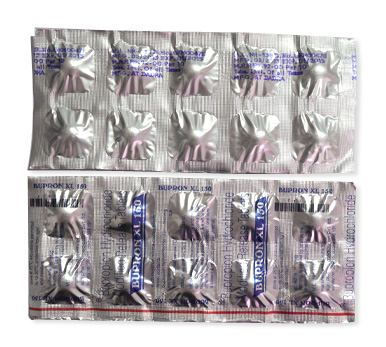
Another popular prescription option is bupropion, sold as Wellbutrin or Zyban in Canada. Originally developed as an antidepressant, bupropion helps reduce cravings and withdrawal symptoms by affecting dopamine and norepinephrine levels in the brain. It's particularly helpful for people who are also dealing with depression or anxiety. Both medications require a prescription from your doctor and are covered by many Canadian provincial health plans and private insurance.
Your pharmacist or doctor can help determine which medication is most appropriate based on your medical history, current medications, and personal preferences. Combination therapy, using both prescription medications and nicotine replacement products, often provides the best results for many Canadian smokers seeking to quit.
Successfully quitting smoking involves more than just medication—behavioural support plays a crucial role in breaking the habit and managing triggers. Canada offers numerous free and paid counselling services to support your quit journey. Many provinces provide free smoking cessation programs through their health ministries, often including telephone quitlines where trained counsellors provide personalized advice and support. These services are confidential and available to all Canadians.
Cognitive behavioural therapy (CBT) helps you identify triggers, develop coping strategies, and replace smoking with healthier habits. Support groups bring together people at various stages of quitting, providing motivation and practical tips from those with similar experiences. Your local pharmacy may also offer smoking cessation programs or group classes. Online resources, apps, and webinars provide convenient support options for those preferring private or flexible assistance.
Combining medication with professional counselling significantly increases your chances of long-term success compared to using either approach alone. Many Canadian employers and insurance plans cover counselling services as part of their health and wellness programs, making professional support more accessible than ever.
The first few weeks after quitting are typically the most challenging, as your body adjusts to the absence of nicotine. Common withdrawal symptoms include intense cravings, mood changes, difficulty concentrating, increased appetite, and sleep disruption. These symptoms usually peak within the first three days and gradually diminish over two to four weeks. Cravings typically last only a few minutes, and developing strategies to get through these brief periods is essential.
Physical activity helps manage withdrawal by releasing endorphins and providing a healthy outlet for stress and anxiety. Exercise also improves your mood and helps prevent weight gain, a common concern when quitting. Staying hydrated and eating healthy snacks, particularly crunchy vegetables or sugar-free gum, can satisfy oral fixation. Avoiding triggers—situations, people, or activities associated with smoking—reduces cravings during vulnerable moments.
Stress management techniques like deep breathing, meditation, or yoga help manage the emotional aspects of quitting. Many people find that identifying their personal triggers and creating specific action plans for handling them dramatically improves their success rate. Consulting with your pharmacist about which withdrawal management strategies work best with your chosen cessation medications ensures a comprehensive approach to overcoming this challenging phase.
Quitting smoking is a journey that extends beyond the initial cessation period. Maintaining long-term success requires ongoing commitment and strategies to prevent relapse. Most relapses occur within the first three months, making this period critical for establishing new habits and routines. Understanding your personal reasons for quitting—whether health, financial, or family-related—helps reinforce your motivation during challenging moments.
Celebrating milestones, from one day smoke-free to one month, one year, and beyond, acknowledges your progress and builds confidence. Many people benefit from gradually reducing their medication use as directed by their healthcare provider after successfully quitting. However, some individuals maintain nicotine replacement therapy longer-term to prevent relapse, which is a valid approach. Staying connected with support resources, whether through apps, quitlines, or community programs, provides ongoing encouragement and accountability.
Avoiding situations where relapse is likely, such as social gatherings with heavy smokers, is wise during early recovery. If you do slip and smoke a cigarette, recognize it as a lapse rather than failure, learn from the experience, and recommit to quitting. Many successful ex-smokers have quit multiple times before achieving lasting success. Your pharmacy team remains an excellent resource throughout your entire cessation journey, providing medication refills, counselling, and encouragement whenever you need support.