Diuretics are medications that help remove excess fluid from the body by increasing the amount of urine produced. They work by affecting how your kidneys filter salt and water, allowing these substances to be excreted rather than reabsorbed into the bloodstream. This process helps reduce the volume of fluid circulating through your veins and arteries, which lowers blood pressure and reduces strain on the heart. Different types of diuretics work in various parts of the kidney, making them suitable for different medical conditions. Understanding how these medications function is essential for using them safely and effectively under medical supervision.
Several classes of diuretics are available in Canada, each with unique mechanisms and applications. Loop diuretics are among the most potent and work in the loop of Henle within the kidney. Thiazide diuretics are milder and are often used as first-line treatments for high blood pressure. Potassium-sparing diuretics help retain potassium while removing excess fluid. Osmotic diuretics work by increasing the osmotic pressure in the kidney tubules. Each type has specific uses, benefits, and potential side effects that your healthcare provider will consider when prescribing.
Diuretics are prescribed for various conditions where fluid retention or high blood pressure poses health risks. Hypertension, or high blood pressure, is one of the most common reasons physicians recommend diuretic therapy. Congestive heart failure patients benefit from diuretics as the medication reduces fluid buildup in the lungs and body tissues. Kidney disease, liver cirrhosis, and edema from various causes also frequently require diuretic treatment. Additionally, certain respiratory conditions and metabolic disorders may involve diuretic therapy as part of comprehensive treatment plans. Your doctor will determine if diuretics are appropriate for your specific condition.
Diuretics have been proven effective in managing fluid-related health issues and reducing blood pressure in countless patients across Canada. They can significantly improve symptoms such as swelling in the legs and ankles, shortness of breath, and excessive weight gain from fluid retention. When combined with other lifestyle modifications like dietary changes and exercise, diuretics often provide optimal results. However, effectiveness varies from person to person, and your healthcare provider may need to adjust dosages or try different types to find what works best for your individual situation.
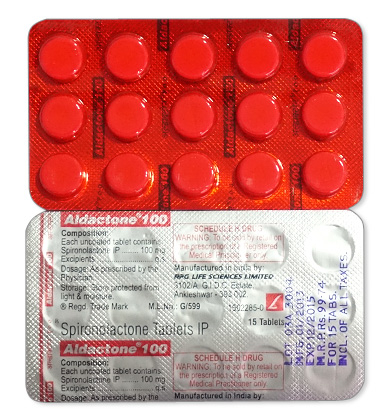
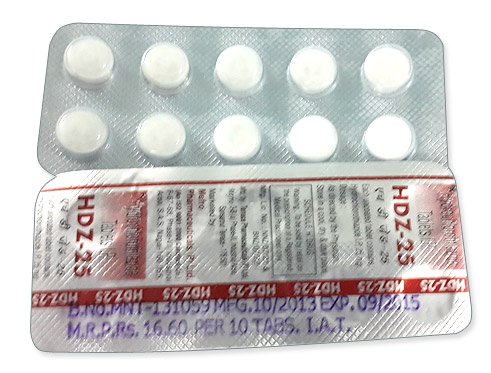
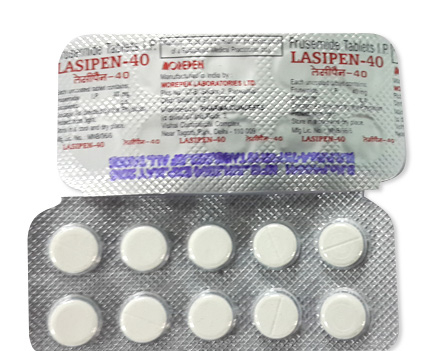
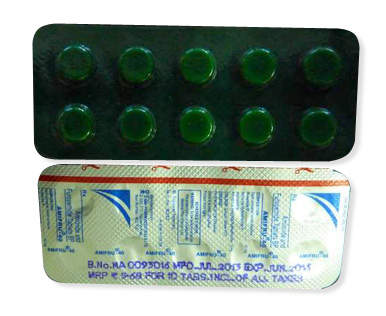
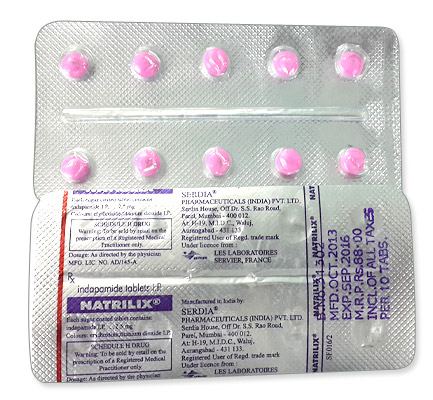
Several diuretic medications are widely available in Canadian pharmacies, prescribed by healthcare professionals across the country. Furosemide, sold under brand names like Lasix, is a potent loop diuretic commonly used for heart failure and edema. Hydrochlorothiazide, often abbreviated as HCTZ, is a thiazide diuretic frequently prescribed for hypertension management. Spironolactone is a potassium-sparing diuretic often used alongside other heart failure medications. Bumetanide and torsemide are alternative loop diuretics available when other options are unsuitable. Chlorthalidone is another thiazide-type option gaining popularity for blood pressure control. Amiloride and triamterene are additional potassium-sparing options available in Canada.
Canadian pharmacies stock both brand-name and generic versions of these diuretics, making them accessible at various price points. Generic medications contain the same active ingredients as brand-name versions and are equally effective. Your pharmacist or doctor can advise whether a generic or brand-name option is most suitable for your needs. Many Canadians choose generic versions for cost savings, particularly for long-term treatment regimens. Insurance coverage may vary depending on your province and specific plan, so discussing options with your healthcare provider and pharmacist is recommended.
While diuretics are generally safe when used as prescribed, they can cause side effects that patients should be aware of. Common side effects include:
Most side effects can be effectively managed through proper monitoring and dose adjustments by your healthcare provider. Regular blood tests help detect electrolyte imbalances before they become problematic. Maintaining adequate hydration while taking diuretics is important, though your doctor will provide specific guidance on fluid intake. Dietary adjustments, particularly regarding potassium intake, may be necessary depending on which diuretic you're using. Many side effects diminish as your body adjusts to the medication within the first few weeks of treatment. Always inform your doctor if you experience persistent or concerning symptoms while using diuretics.
Diuretics can interact with various other medications, so informing your healthcare provider about all medicines you're taking is essential. Certain antibiotics, anti-inflammatory medications, and blood pressure drugs may interact negatively with diuretics. Lithium, commonly used for bipolar disorder, requires careful monitoring when combined with diuretic therapy. Diabetes medications may require adjustment as some diuretics can affect blood sugar control. NSAIDs can reduce diuretic effectiveness and increase kidney complications risk. Discussing your complete medication list with your pharmacist ensures potential interactions are identified and managed appropriately.
Pregnant women should avoid most diuretics unless specifically directed by their obstetrician. Elderly patients often require lower doses and more frequent monitoring due to increased sensitivity and kidney function changes. Patients with diabetes, gout, or kidney disease need particular attention when using diuretics. Those with severe electrolyte abnormalities should not start diuretic therapy until these are corrected. Individuals with certain heart rhythm problems require specialized monitoring. Your healthcare provider will assess whether you fall into any special population category requiring modified treatment approaches.
Successful diuretic therapy involves careful attention to medication adherence and lifestyle factors. Taking your diuretic exactly as prescribed, typically in the morning to avoid nighttime urination disruptions, is crucial for effectiveness. Regular follow-up appointments allow your doctor to monitor blood pressure, kidney function, and electrolyte levels. Keeping a symptom diary helps you and your healthcare provider track medication effectiveness and any side effects. Dietary modifications, particularly regarding sodium intake, significantly enhance diuretic benefits. Maintaining regular exercise and limiting alcohol consumption supports overall blood pressure management and kidney health.
Certain symptoms warrant immediate medical attention when taking diuretics. Severe dizziness, chest pain, or difficulty breathing requires emergency care. Persistent weakness, irregular heartbeat, or muscle cramps may indicate electrolyte problems. Sudden significant weight gain or loss, particularly if unplanned, should be reported. Decreased urine output or signs of dehydration need professional evaluation. Never adjust your diuretic dose without medical guidance, even if you feel your current dose isn't working optimally. Regular communication with your healthcare team ensures diuretic therapy remains safe and effective for your specific health needs.