Cholesterol is a waxy substance found in your blood and cells that plays a vital role in building cell membranes, producing hormones, and creating vitamin D. Your body needs cholesterol to function properly, but when levels become too high, it can increase your risk of heart disease and stroke. There are two main types of cholesterol: LDL (low-density lipoprotein), often called "bad cholesterol," which can build up in your arteries, and HDL (high-density lipoprotein), known as "good cholesterol," which helps remove LDL from your bloodstream.
Understanding these differences is crucial for maintaining heart health and preventing serious cardiovascular complications. Many Canadians have elevated cholesterol levels without realizing it, which is why regular testing and monitoring are essential components of preventive healthcare. Taking control of your cholesterol levels today can significantly reduce your risk of developing serious health conditions in the future.
High cholesterol can result from a combination of genetic factors, lifestyle choices, and dietary habits. Some people inherit genes that make their bodies produce too much cholesterol, a condition known as familial hypercholesterolemia. Age and gender also play significant roles, as men over 45 and women over 55 face increased risks. Diet rich in saturated fats, trans fats, and cholesterol can elevate blood cholesterol levels significantly.
Several lifestyle and health factors contribute to elevated cholesterol:
If you have a family history of heart disease or high cholesterol, you may be at greater risk and should consult with your healthcare provider about screening and prevention strategies tailored to your individual needs.
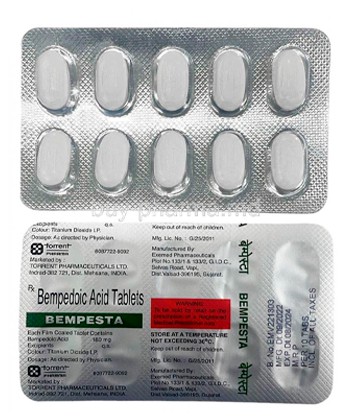
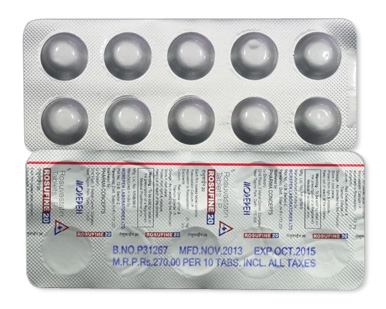
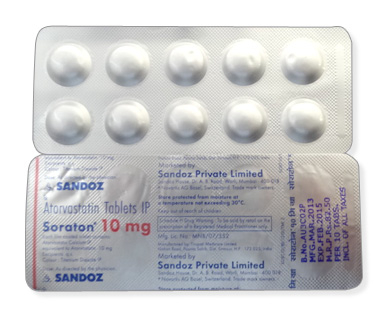
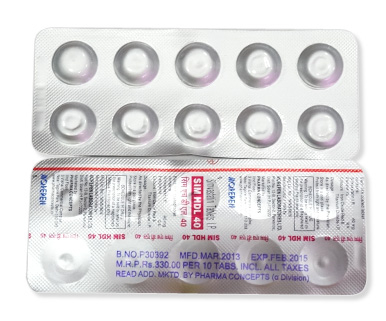
Canada's pharmaceutical market offers several effective cholesterol-lowering medications to help manage your heart health. Statins are the most commonly prescribed class of drugs for managing high cholesterol. Popular statin options available in Canada include Atorvastatin, Simvastatin, Rosuvastatin, and Pravastatin. These medications work by inhibiting an enzyme needed for cholesterol production in the liver, effectively reducing the amount of cholesterol your body produces.
Beyond statins, several other medication options are available to Canadian patients:
Your pharmacist or doctor can recommend the most suitable medication based on your cholesterol levels, health history, and potential drug interactions. Many of these medications are covered by provincial health plans and private insurance in Canada, making them accessible to patients across the country.
Modifying your lifestyle can significantly impact your cholesterol levels without relying solely on medication. Increasing physical activity to at least 150 minutes of moderate exercise per week helps raise HDL cholesterol and lower LDL levels. Activities like brisk walking, swimming, cycling, and jogging are excellent choices for Canadians looking to improve their cardiovascular health.
Adopting a heart-healthy diet rich in fruits, vegetables, whole grains, and lean proteins is fundamental to cholesterol management. Reducing saturated fat intake by choosing low-fat dairy products and lean meats makes a measurable difference in your cholesterol profile. Incorporating plant sterols and stanols found in fortified foods and supplements can help lower LDL cholesterol by up to 10 percent. Increasing soluble fiber through oats, beans, and barley supports cholesterol reduction and promotes overall digestive health.
Additional lifestyle modifications that support cholesterol management include maintaining a healthy weight through balanced nutrition and regular exercise, quitting smoking to improve HDL cholesterol levels and reduce cardiovascular disease risk substantially, and limiting alcohol consumption to moderate levels to protect heart health. Stress management through yoga, meditation, or other relaxation techniques contributes to overall cardiovascular wellness and may influence cholesterol levels positively.
Regular cholesterol testing is essential for early detection and effective management of your cardiovascular health. A lipid panel test measures total cholesterol, LDL cholesterol, HDL cholesterol, and triglycerides to give you a complete picture of your heart health. Most Canadian healthcare providers recommend cholesterol screening every four to six years for adults without risk factors, though more frequent testing may be necessary if you have elevated levels or existing heart disease.
Understanding your cholesterol numbers helps you and your healthcare provider determine if lifestyle changes alone are sufficient or if medication is needed. Setting realistic cholesterol targets with your doctor ensures you work toward appropriate goals based on your individual risk profile. Keeping a health record of your cholesterol levels over time allows you to track progress and see how lifestyle modifications and medications affect your results over months and years.
Regular follow-up appointments with your pharmacist or doctor ensure your cholesterol management plan remains effective and safe. Your healthcare team can adjust your treatment plan as needed based on your test results and overall health status, ensuring you achieve and maintain optimal cholesterol levels.
Consulting with a healthcare professional is important if you have risk factors for high cholesterol or if family members have experienced heart disease. Your doctor can assess your individual risk factors and recommend appropriate screening schedules tailored to your specific situation. If you experience chest pain, shortness of breath, or other heart-related symptoms, seek immediate medical attention by calling emergency services or visiting your nearest emergency department.
When starting cholesterol medication, discussing potential side effects with your pharmacist ensures you can identify and report any concerning reactions promptly. If you take other medications or supplements, inform your healthcare provider before starting cholesterol treatment, as interactions may occur. Women experiencing significant side effects from statins should discuss alternative options with their doctor, as several options exist that may be better tolerated. Regular communication with your healthcare team helps optimize your cholesterol management strategy and reduces your risk of heart disease and stroke, ultimately supporting your long-term health and wellbeing.